

Best Practices for Presenting Interior Design Concepts to Clients

In the real estate business, presentations play a major role in shaping buyer decisions. Whether developers are marketing luxury apartments, commercial spaces, or residential communities, the ability to clearly communicate interior design concepts can significantly impact client confidence and property sales. Modern buyers expect more than static floor plans and mood boards; they want to visualize how a finished space will actually look and feel.
Below are some of the most effective practices real estate businesses can use when presenting interior design concepts to clients.
Focus on Lifestyle, Not Just Design
Clients rarely connect emotionally with technical drawings alone. Instead, successful presentations focus on how people will experience the space in real life. Interior concepts should highlight comfort, functionality, lighting, and atmosphere to help potential buyers imagine themselves living or working there.
For example, staging 3D room visualizations with natural lighting, modern furniture, and realistic materials creates a stronger emotional connection than presenting an empty layout.
Use Photorealistic 3D Visualizations
High-quality visuals are now essential for real estate presentations. Photorealistic renderings help clients understand room proportions, finishes, textures, and furniture placement before construction is completed. This is especially valuable for off-plan properties where buyers cannot physically visit the final space.

Modern 3D rendering software for interior design allows real estate businesses and designers to create immersive visual presentations that help buyers better understand layouts, materials, lighting, and overall atmosphere before construction is completed.
Additionally, realistic 3D renderings can be used across websites, social media campaigns, digital ads, and investor presentations, ensuring consistent branding throughout the sales process.
Keep Presentations Client-Oriented
Different clients prioritize different aspects of a property. Some focus on aesthetics, while others prioritize practicality, storage, or workspace functionality. Tailoring presentations to the target audience helps make the concept feel more relevant.
For residential buyers, emphasize comfort and lifestyle features. For commercial real estate clients, focus on efficiency, workflow, and flexibility of the interior layout.
Incorporate Interactive Elements
Interactive experiences help clients engage more deeply with a property concept. Virtual walkthroughs, 360-degree views, and interactive room configurations allow buyers to explore the space from multiple perspectives instead of relying solely on static images.
This approach is particularly effective for large-scale developments, where buyers may want to compare multiple layouts or design styles before making a decision.
Use Consistent Design Language
Consistency across all presentation materials helps create a more professional impression. Colors, lighting styles, furniture choices, and branding elements should align throughout renderings, brochures, and digital marketing assets.
When design consistency is maintained, clients perceive the project as more polished and trustworthy.
Present Multiple Design Options
Offering several design variations can help clients feel more involved in the decision-making process. Different color palettes, furniture arrangements, or lighting concepts allow buyers to explore possibilities that better match their preferences.
This flexibility is particularly useful in luxury real estate projects where personalization is often an important selling point.
Make the Presentation Easy to Understand
Overly technical presentations can overwhelm clients. Instead of focusing heavily on architectural terminology, use clear visuals and simple explanations that help buyers quickly understand the value of the design concept.
Combining concise descriptions with strong visual storytelling creates presentations that are both informative and persuasive.
Final Thoughts
By combining photorealistic 3D visualization, client-focused storytelling, interactive experiences, and consistent branding, real estate businesses can create presentations that improve communication, strengthen buyer trust, and ultimately increase sales opportunities.
Featured Image generated by ChatGPT.
Related Articles

June 2, 2026
How Expert Craftsmanship Shapes Exceptional Living Spaces
Building a home that genuinely reflects who you are isn't just about square footage or floor plans. It's about the decisions made throughout the design and construction process, th...
Read More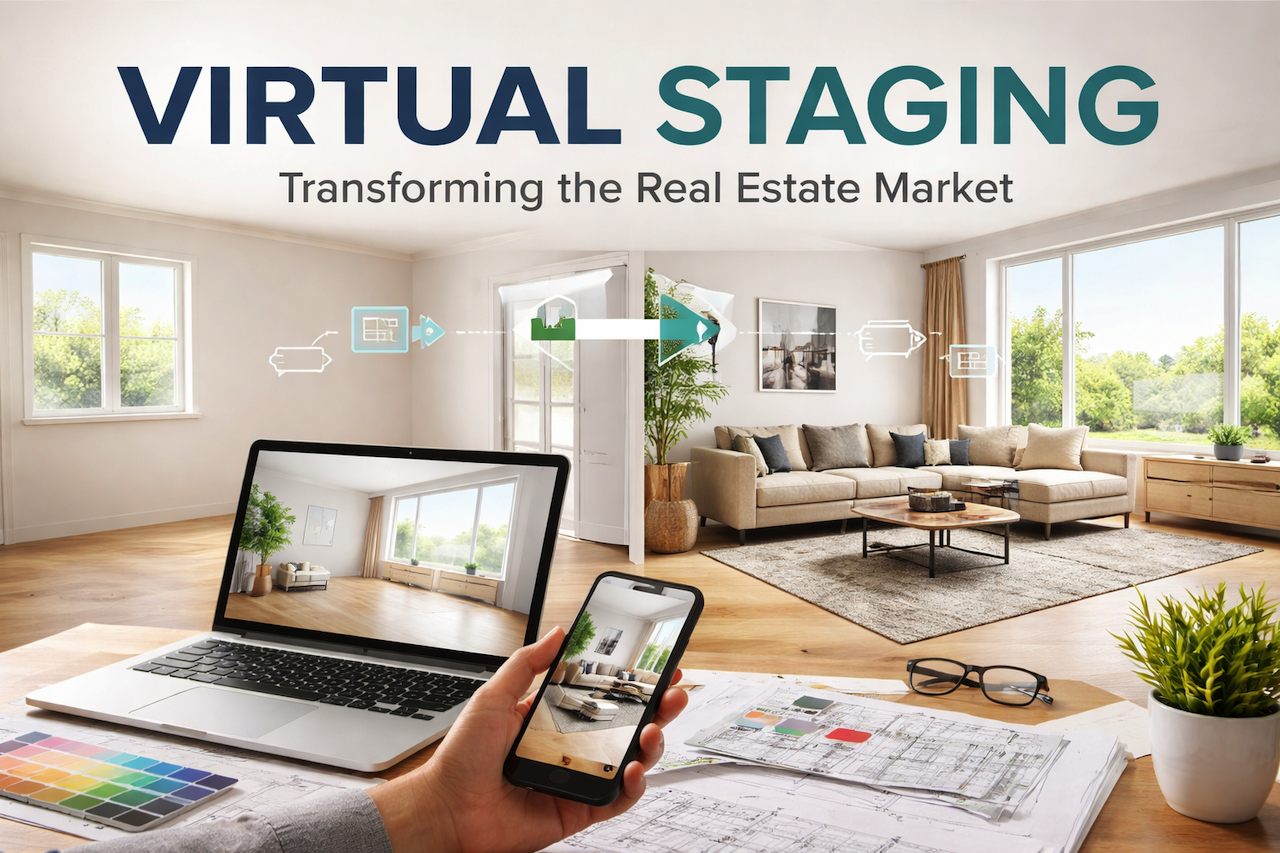
April 20, 2026
Virtual Staging: What It Is and How It Changes the Modern Real Estate Market
The modern real estate market demands new and effective solutions for quality property presentation. Virtual staging platforms offer an innovative approach to preparing houses and...
Read More
December 30, 2024
How to Negotiate Fees with Your Real Estate Agent
One of the most important financial decisions you will ever make is whether to buy or sell a property. The real estate agent's fees are an additional financial factor to consider i...
Read More
Comments
Comments are available to signed-in users and are moderated to keep the discussion useful and respectful. Spam, automated submissions, and low-value promotional comments are removed. Outbound links may be approved when they are relevant and genuinely helpful to readers, but they are displayed as plain text rather than clickable hyperlinks.
No comments have been published yet.
Please sign in to submit a comment.