June 24, 2022
by Lillie Jenkins

The global pandemic imposed new rules for doing business and working. They not only altered the work environment but also implemented new technology. Allowing employees to work remotely, on the other hand, carries many risks, ranging from the availability of unsecured networks to vulnerable software. Here is where VPNs come into play.
May 24, 2022
by IP Location

An Internet Protocol address (IP address) is a numerical label assigned to each device connected to a computer network that uses the Internet Protocol for communication. An IP address serves two main functions: host or network interface identification and location addressing.
May 24, 2022
by IP Location
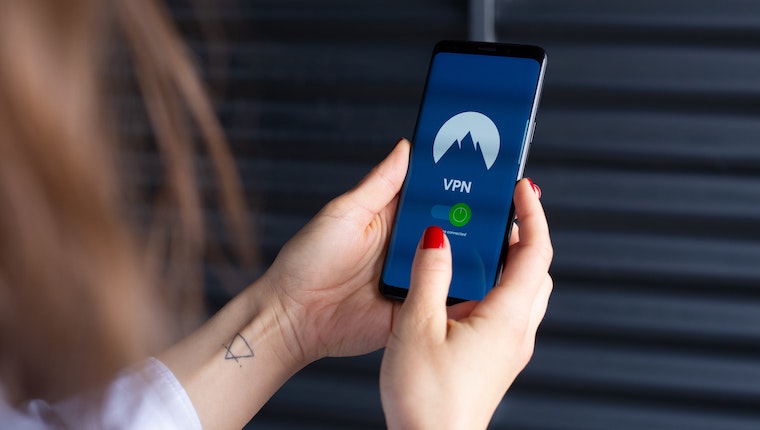
Regardless of whether you use streaming services that work on a monthly subscription basis or free services, a bit of additional speed and security shouldn't be overlooked. That's why using a VPN for streaming enables you to access geo-restricted content, bypass bandwidth throttling, and speed up the streams.
April 24, 2022
by Muhammed Hasip

In today's digital age, it is more important than ever to maintain a high level of security. With hackers and cyber criminals constantly looking for new ways to exploit vulnerabilities, keeping your systems and data safe is crucial. One way to maintain your privacy and safety is using a VPN (Virtual Private Network).
April 5, 2022
by IP Location
Every year, users and companies face data leaks of private data and financial information. But each year, we also see some brands that use privacy' as their motive to build a large customer base.
February 1, 2022
by IP Location
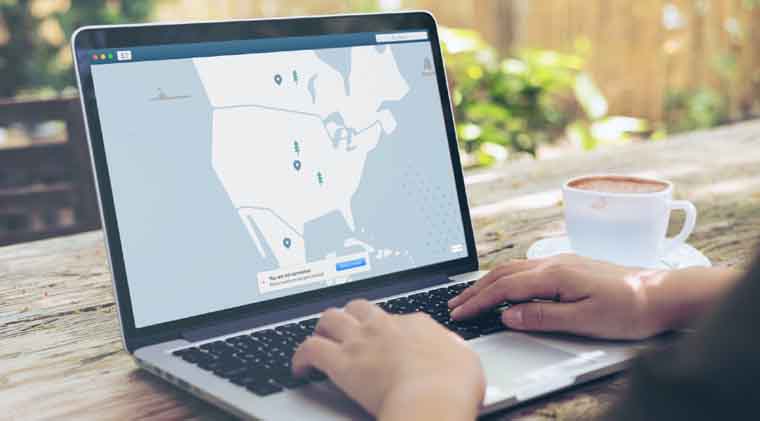
An average person can choose a VPN or proxy for millions of reasons. And these reasons are not fishy; they could be something extremely trifle.
For a newbie, proxy and VPN sounds like "potahto potayto", But some differences make them dissimilar from each other. Each with its distinct features helps the user to:
October 28, 2021
by IP Location
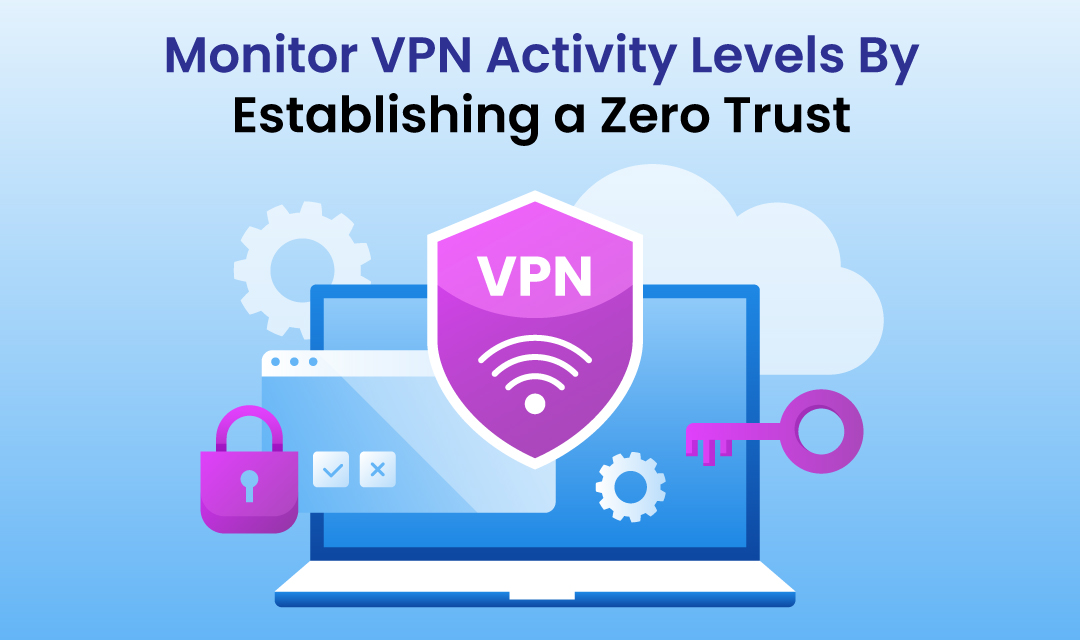
The number of unsafe and unknown devices connecting to the network has increased significantly, and stolen credentials violations have become more frequent. In this regard, the concept of trust began to become obsolete. Therefore, more and more companies are moving to a zero-trust approach by partnering with remote workers instead of using VPN.
October 7, 2021
by IP Location
Did you know that VPNs are not only useful to guarantee your anonymity, but they also have some more advantages? Most Internet users know that the main purpose of a VPN is to secure your web browsing data. It protects all the private information you leave online. Discover via this article some interesting ways to use your VPN.
July 17, 2020
by IP Location
VPN safeguards traffic and provides online privacy, but it's not always possible to use a VPN. There are several ways in which VPN blocks are implemented by governments, ISPs and network administrators. VPN obfuscation is used to mask VPN traffic so that it isn't easily identified as a VPN traffic.
June 30, 2020
by IP Location
VPN provides added security to all your network traffic. There are several benefits of using a VPN, and it is considered one of the must-have tools for today's private browsing. Many users prefer using a VPN while getting connected to public Wi-Fi.