




 Hide my IP Address
 Protect my Privacy with Proxy



In today’s digitally interconnected world, IP (Internet Protocol) conflicts have become an increasingly common and critical challenge for enterprises. An IP conflict occurs when two...
Read More
 IPv4:
216.73.217.40
IPv4:
216.73.217.40
 IPv6: Checking...

IP Location: Columbus, Ohio (US) [Details]

ISP: Anthropic PBC
Proxy: Not detected.

Platform: Unknown Platform
Would you like to help us improve ip-to-location data by providing a geofeed or custom feedback?
Login to add feedbackIn today’s digitally interconnected world, IP (Internet Protocol) conflicts have become an increasingly common and critical challenge for enterprises. An IP conflict occurs when two...
Read MoreAs we approach 2026, businesses worldwide are bracing for a new wave of privacy regulations designed to enhance consumer data protection. These laws, while crucial...
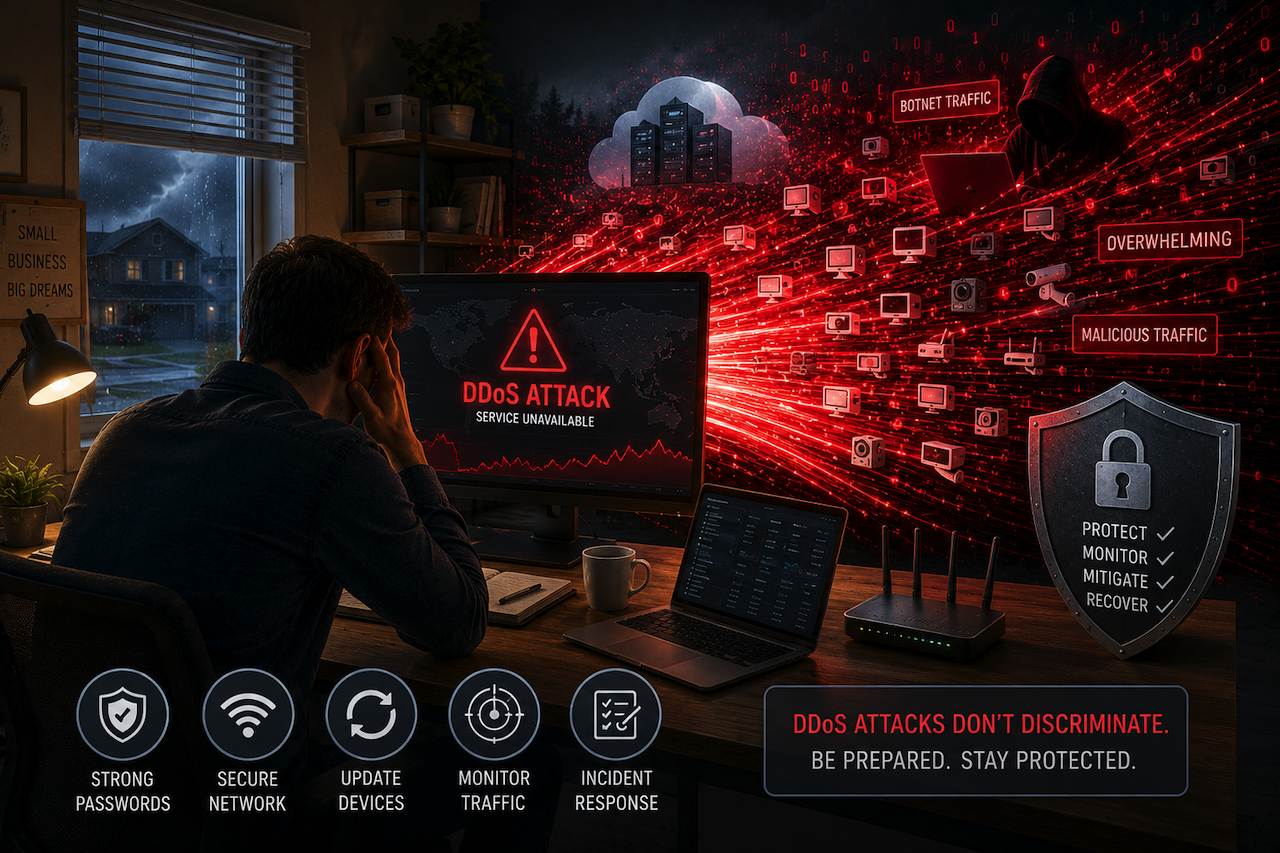
Read MoreIn recent years, Distributed Denial of Service (DDoS) attacks have undergone a notable evolution in their targets. While large corporations and enterprises were once the...
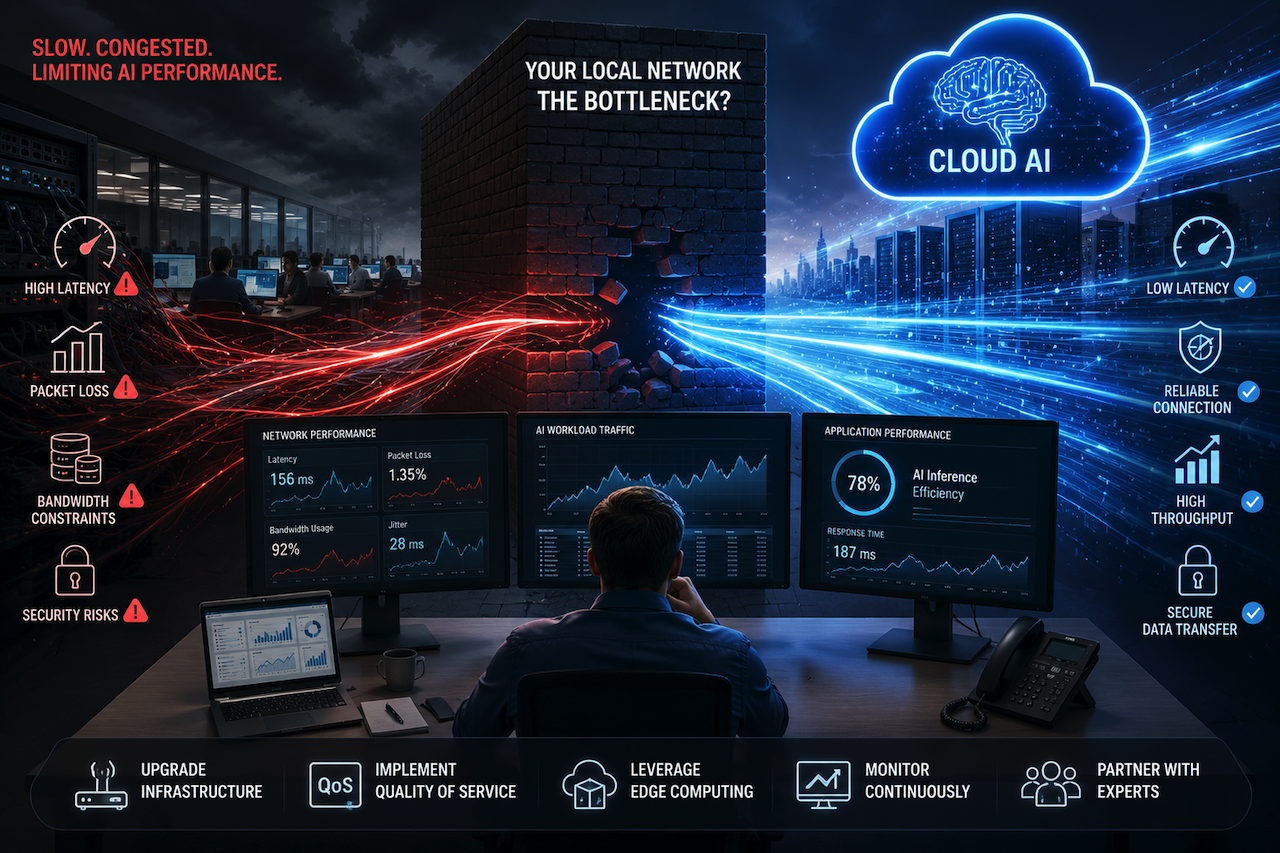
Read MoreAs businesses increasingly adopt cloud-based artificial intelligence (AI) solutions, a critical question arises: Is your local network the limiting factor in maximizing cloud AI performance?...
Read MoreEvery device connected to the internet has an IP address, and that address can reveal its approximate country, region, city, and ISP. Businesses use this data to localize content, pre-fill country fields on forms, serve region-specific pricing, and reduce payment fraud. Security teams use it to trace spam sources, flag suspicious logins, and block malicious traffic.
IP geolocation isn’t perfect, but it remains one of the fastest and most practical location signals available without requiring explicit user permission. Geolocation accuracy varies by level with city-level accuracy hovering around 50~75%. While geolocation cannot pinpoint an exact street address, it is generally sufficient for use cases like fraud detection, content localization, and compliance checks.

 DNS Lookup
 Search a Person
 Inspect suspicious links
 Data Breach Check
 Privacy Scan