




 Hide my IP Address
 Protect my Privacy with Proxy



Every website owner obsesses over traffic. More visitors, better rankings, higher conversions. But there is a question that rarely gets asked loudly enough: how much...
Read More
 IPv4:
216.73.217.87
IPv4:
216.73.217.87
 IPv6: Checking...

IP Location: Columbus, Ohio (US) [Details]

ISP: Anthropic PBC
Proxy: Not detected.

Platform: Unknown Platform
Would you like to help us improve ip-to-location data by providing a geofeed or custom feedback?
Login to add feedbackEvery website owner obsesses over traffic. More visitors, better rankings, higher conversions. But there is a question that rarely gets asked loudly enough: how much...
Read MorePost-pandemic, remote work not only gained popularity but also introduced new operational risks. Lagging systems, disruptions in access, compromised endpoint security, and a surge in...
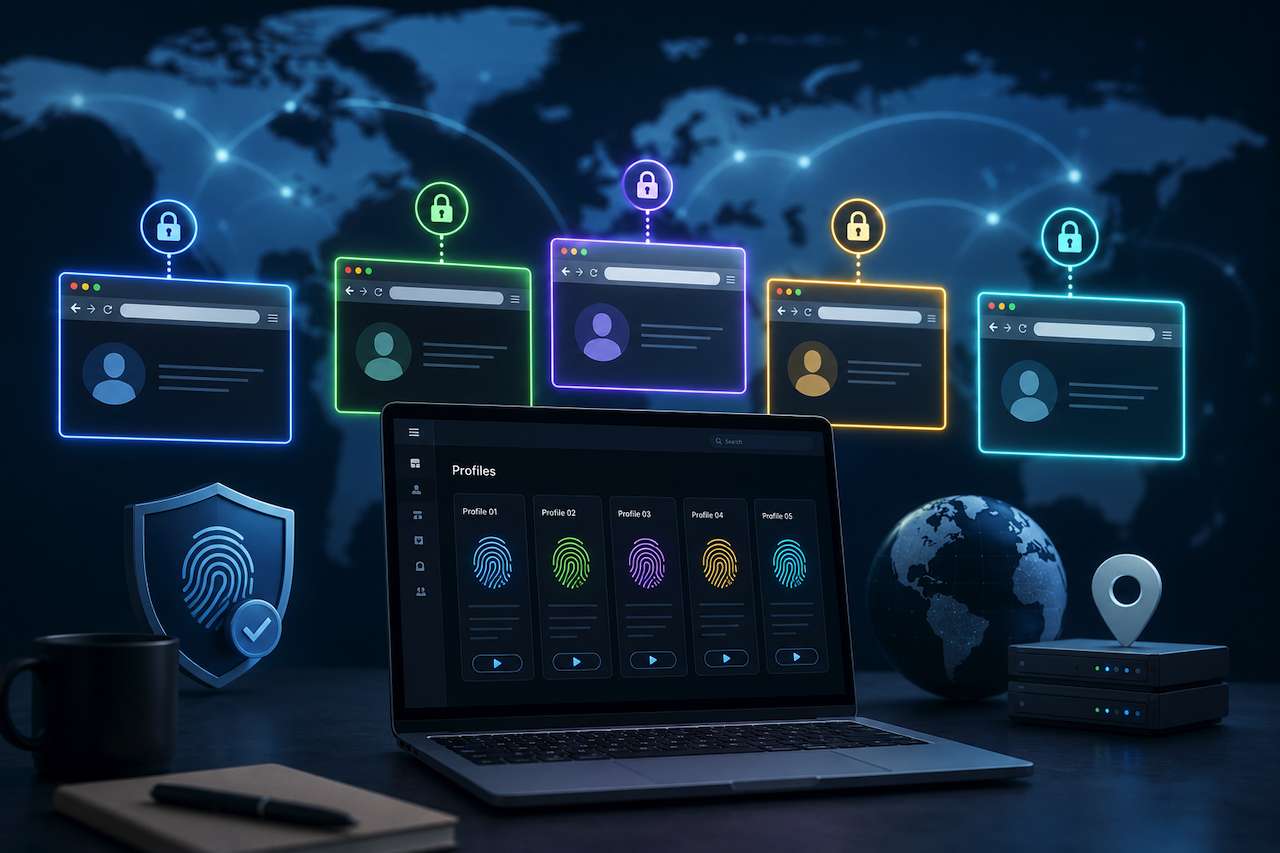
Read MoreBrowser.vision is an anti-detect browser designed to run multiple accounts on a single computer without risking bans or blocks. It creates a unique browser fingerprint...
Read MoreManaging multiple accounts in 2026 requires strict environmental isolation; even a slight overlap in your browser fingerprint can cause networks to flag your digital assets....
Read MoreEvery device connected to the internet has an IP address, and that address can reveal its approximate country, region, city, and ISP. Businesses use this data to localize content, pre-fill country fields on forms, serve region-specific pricing, and reduce payment fraud. Security teams use it to trace spam sources, flag suspicious logins, and block malicious traffic.
IP geolocation isn’t perfect, but it remains one of the fastest and most practical location signals available without requiring explicit user permission. Geolocation accuracy varies by level with city-level accuracy hovering around 50~75%. While geolocation cannot pinpoint an exact street address, it is generally sufficient for use cases like fraud detection, content localization, and compliance checks.

 DNS Lookup
 Search a Person
 Inspect suspicious links
 Data Breach Check
 Privacy Scan