




 Hide my IP Address
 Protect my Privacy with Proxy


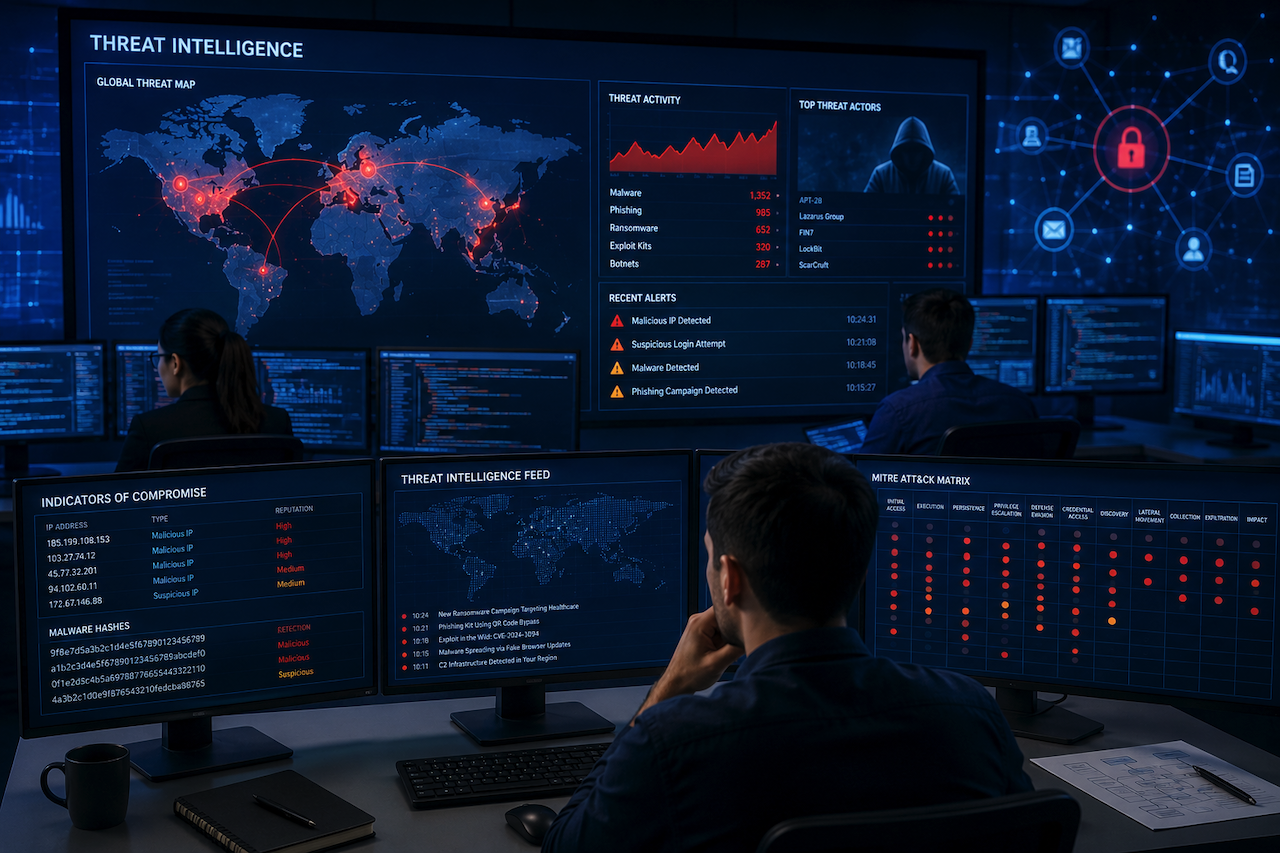
Traditional security measures such as firewalls, antivirus software, and basic security policies are no longer sufficient to protect organizations from modern cyber threats. Today's threat...
Read More
 IPv4:
216.73.217.35
IPv4:
216.73.217.35
 IPv6: Checking...

IP Location: Columbus, Ohio (US) [Details]

ISP: Anthropic PBC
Proxy: Not detected.

Platform: Unknown Platform
Would you like to help us improve ip-to-location data by providing a geofeed or custom feedback?
Login to add feedbackTraditional security measures such as firewalls, antivirus software, and basic security policies are no longer sufficient to protect organizations from modern cyber threats. Today's threat...
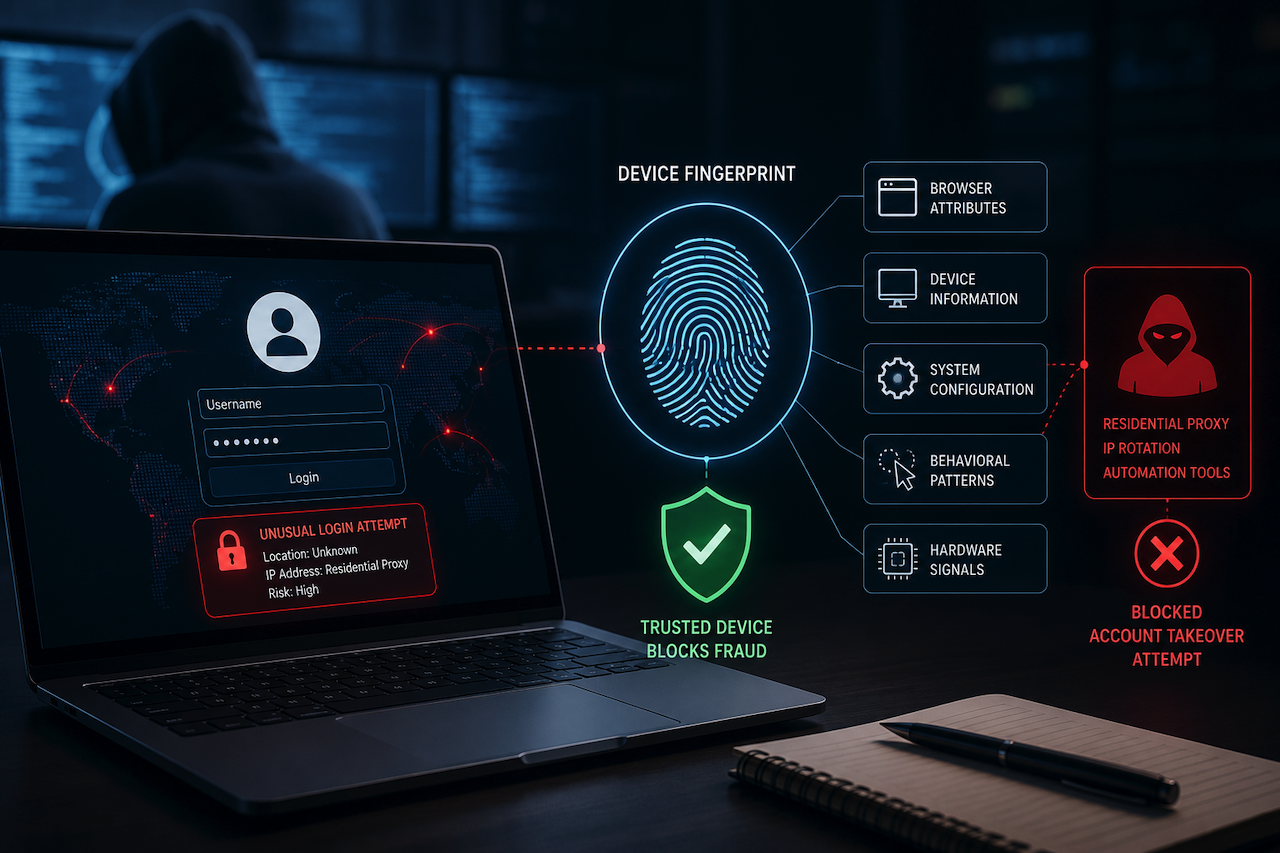
Read MoreResidential proxies are hard to spot. They route traffic through real consumer IP addresses, thereby making a fraudster's connection appear identical to that of a...
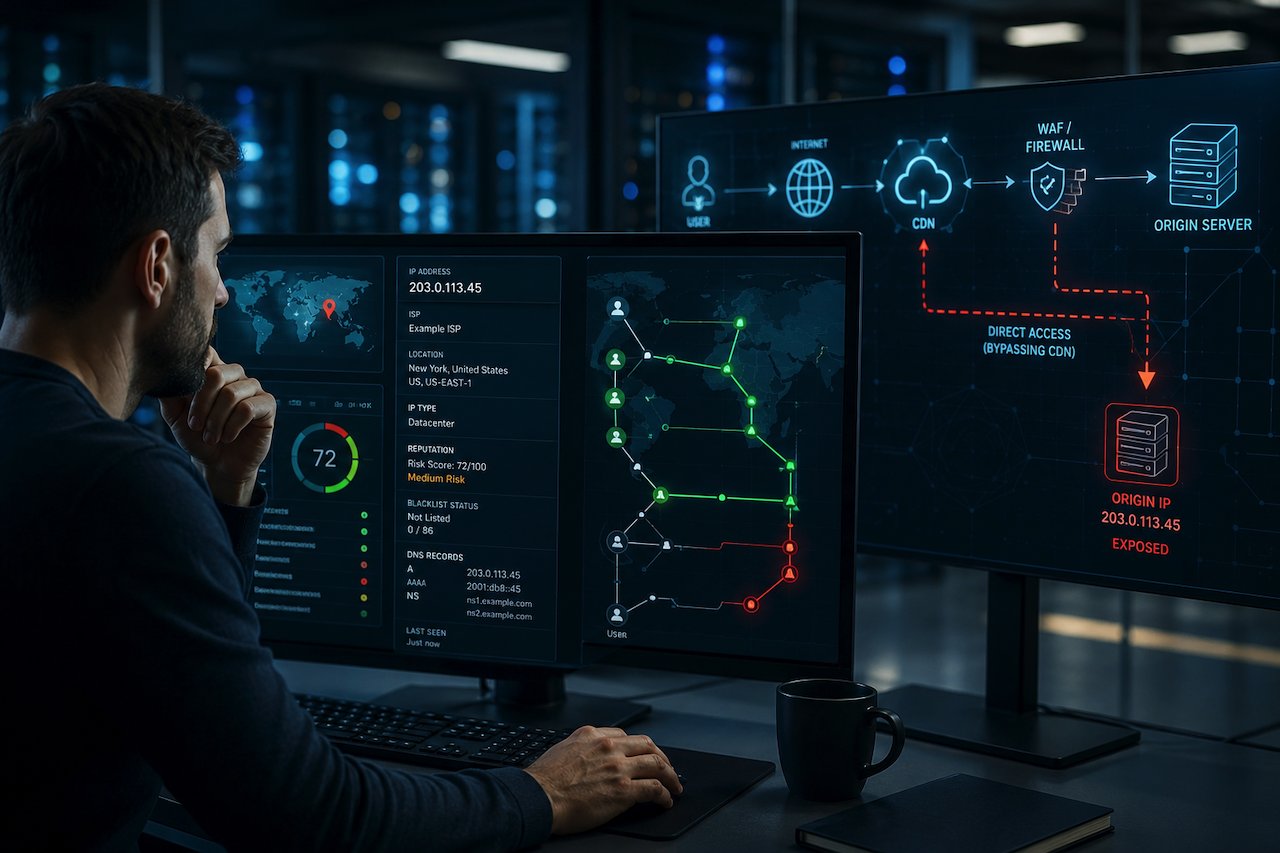
Read MoreLook up your production server’s IP address using an IP lookup tool. It takes only a few seconds. Note which ISP serves the IP, which...
Read MoreA company learned about a breach not from its own security systems, but from a bank that blocked suspicious transactions or from a client who...
Read MoreEvery device connected to the internet has an IP address, and that address can reveal its approximate country, region, city, and ISP. Businesses use this data to localize content, pre-fill country fields on forms, serve region-specific pricing, and reduce payment fraud. Security teams use it to trace spam sources, flag suspicious logins, and block malicious traffic.
IP geolocation isn’t perfect, but it remains one of the fastest and most practical location signals available without requiring explicit user permission. Geolocation accuracy varies by level with city-level accuracy hovering around 50~75%. While geolocation cannot pinpoint an exact street address, it is generally sufficient for use cases like fraud detection, content localization, and compliance checks.

 DNS Lookup
 Search a Person
 Inspect suspicious links
 Data Breach Check
 Privacy Scan