




 Hide my IP Address
 Protect my Privacy with Proxy


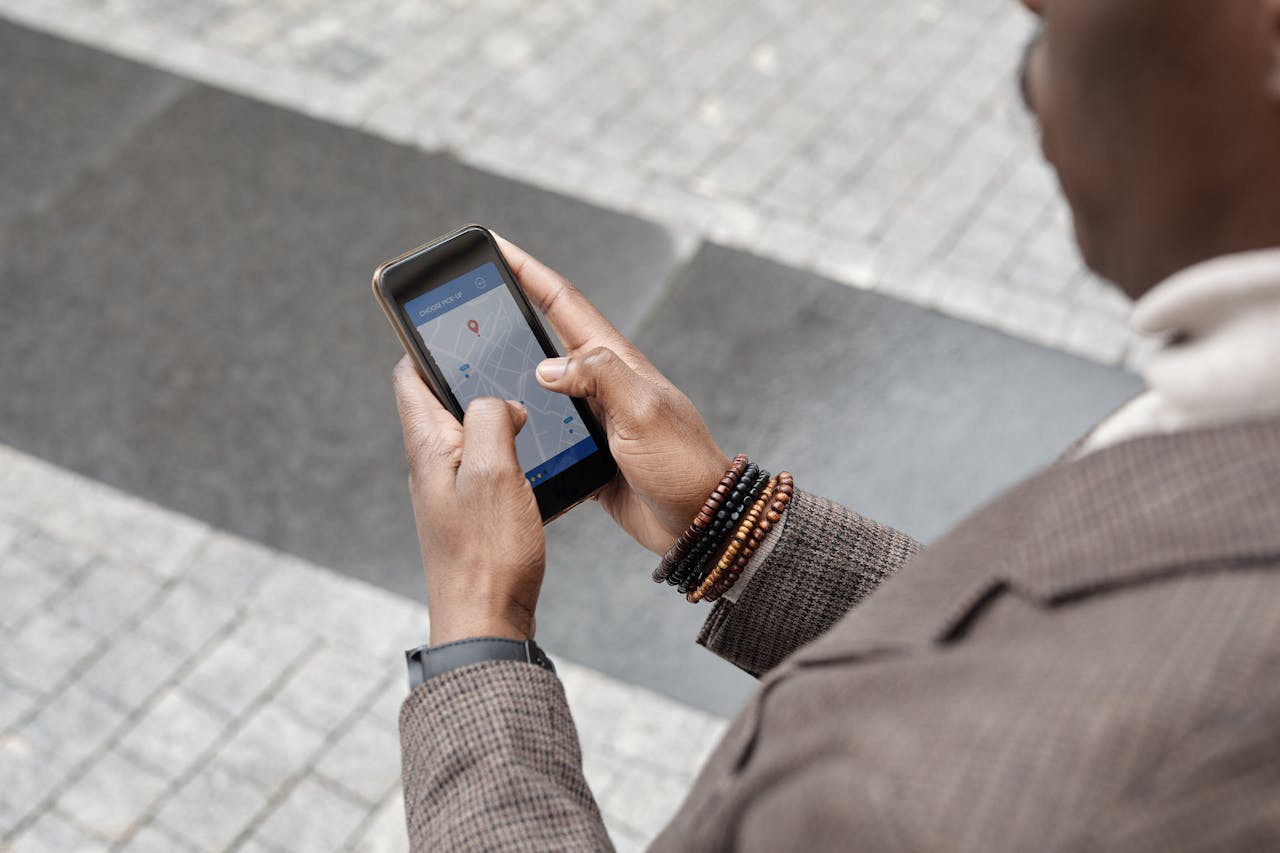
Location data has shifted from a niche analytics layer to a core business intelligence asset. Companies now use addresses, IP records, and real-time geolocation signals...
Read More
 IPv4:
216.73.217.40
IPv4:
216.73.217.40
 IPv6: Checking...

IP Location: Columbus, Ohio (US) [Details]

ISP: Anthropic PBC
Proxy: Not detected.

Platform: Unknown Platform
Would you like to help us improve ip-to-location data by providing a geofeed or custom feedback?
Login to add feedbackLocation data has shifted from a niche analytics layer to a core business intelligence asset. Companies now use addresses, IP records, and real-time geolocation signals...
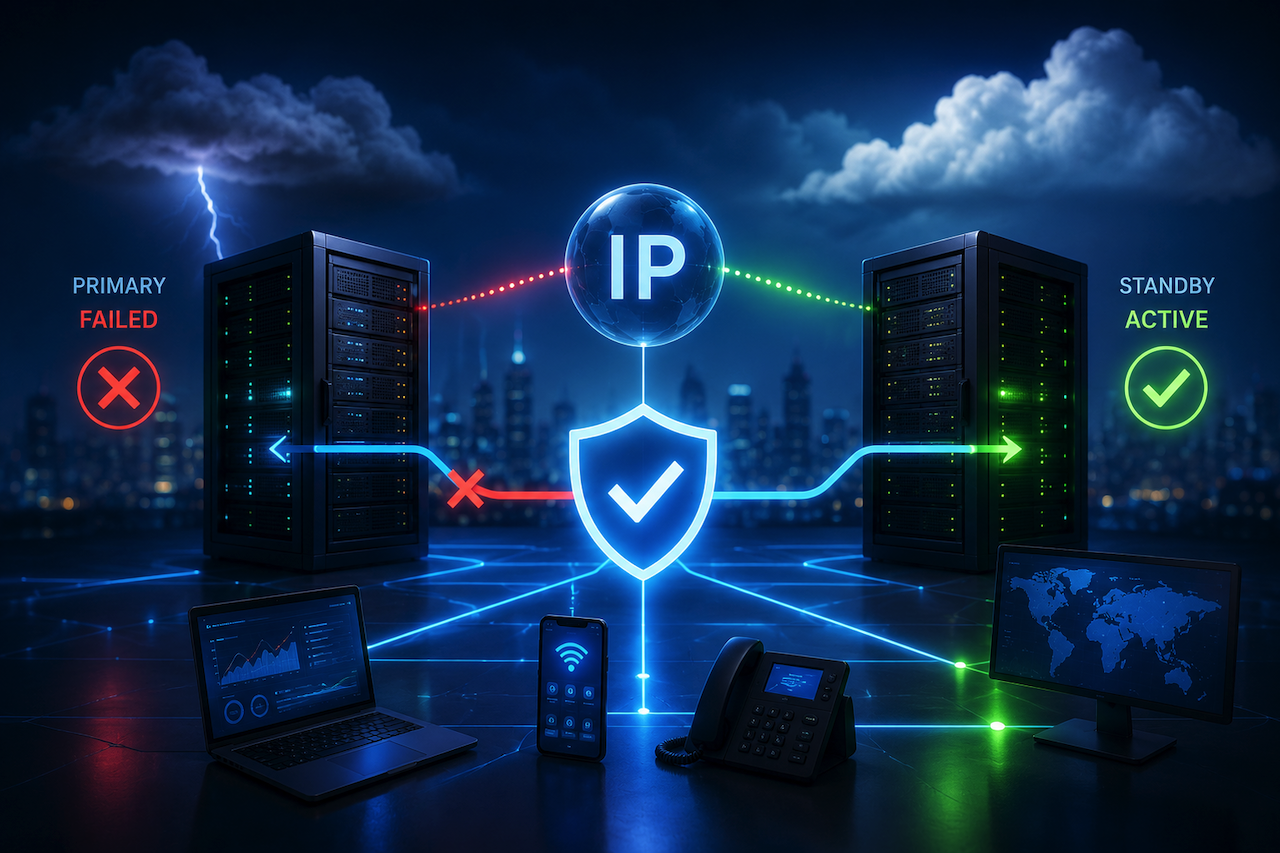
Read MoreIn today’s highly connected and fast-paced business environment, network uptime is no longer just a convenience; it is a critical component of operational resilience and...
Read MoreSmall and medium-sized businesses (SMBs) face unique challenges in securing their networks. Unlike large enterprises with dedicated cybersecurity teams, SMBs often rely on simpler, more...
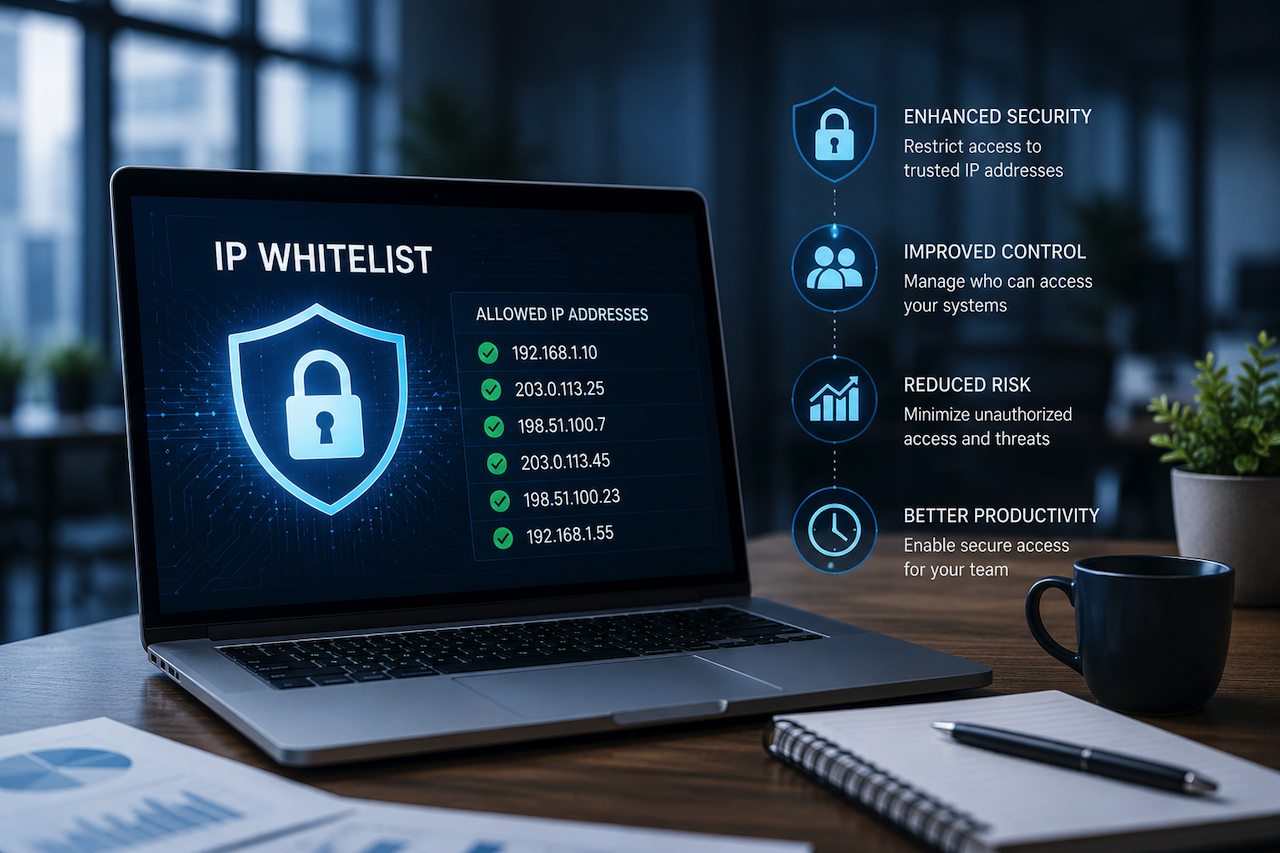
Read MoreAs digital platforms continue to expand globally, security has become one of the most important priorities for businesses operating online. Financial services, e-commerce systems, streaming...
Read MoreEvery device connected to the internet has an IP address, and that address can reveal its approximate country, region, city, and ISP. Businesses use this data to localize content, pre-fill country fields on forms, serve region-specific pricing, and reduce payment fraud. Security teams use it to trace spam sources, flag suspicious logins, and block malicious traffic.
IP geolocation isn’t perfect, but it remains one of the fastest and most practical location signals available without requiring explicit user permission. Geolocation accuracy varies by level with city-level accuracy hovering around 50~75%. While geolocation cannot pinpoint an exact street address, it is generally sufficient for use cases like fraud detection, content localization, and compliance checks.

 DNS Lookup
 Search a Person
 Inspect suspicious links
 Data Breach Check
 Privacy Scan