

How Mobile Proxies Improve Reliable Work
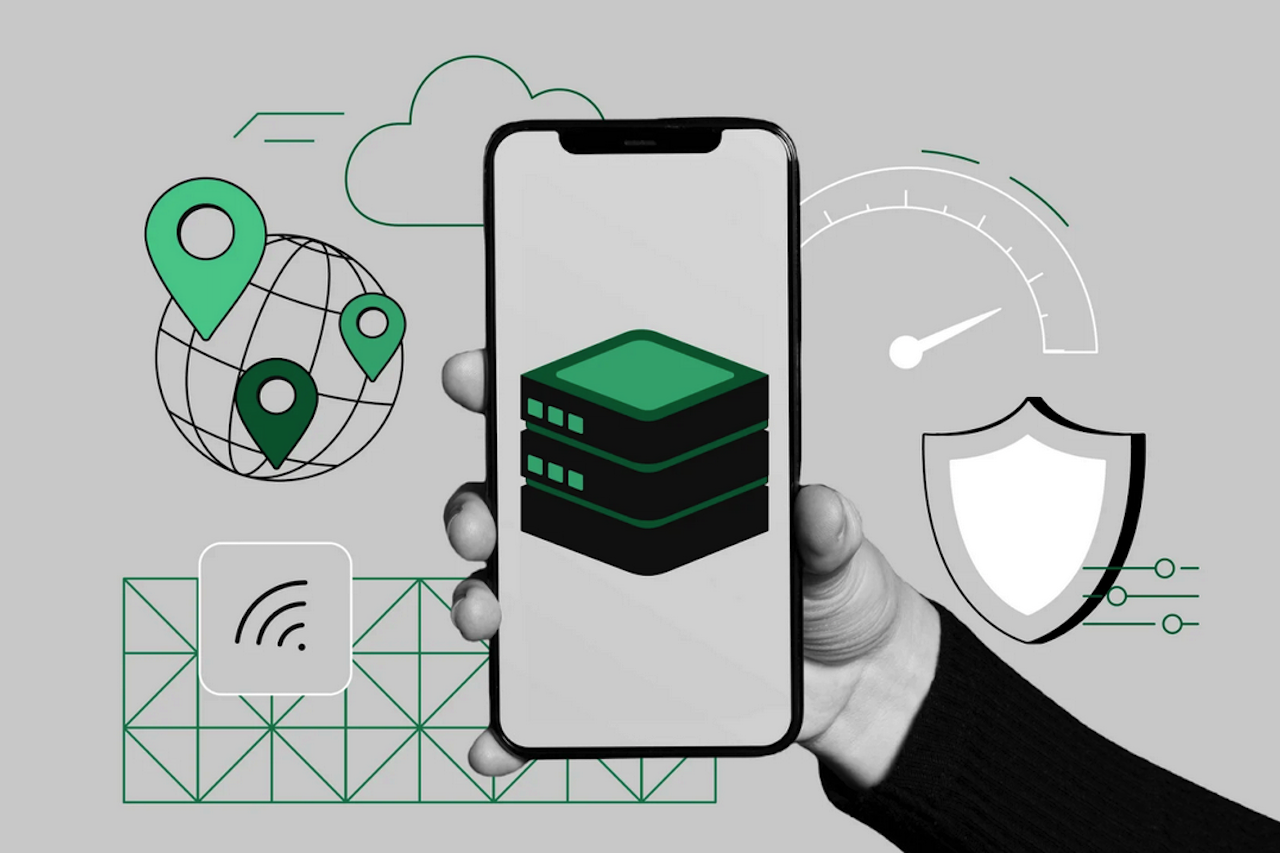
Online access tools are no longer limited to developers and security teams working on niche infrastructure. Today, marketers, analysts, sellers, researchers, and private users often need a mobile proxy when a task depends on a more natural network source and stronger trust signals. This article explains how mobile proxies work, where they perform best, how they compare with other proxy types, and the practical advantages they offer in real-world workflows. It also includes selection advice, setup steps, and clear recommendations for using mobile connections more effectively.
Why Mobile Proxies Matter
Mobile proxies are often considered a premium option because they route traffic through mobile carrier networks rather than through standard server infrastructure. That difference can strongly affect how platforms interpret a connection and how stable a session feels in sensitive environments. For many users, the value of mobile proxies comes not from raw speed but from how naturally the traffic appears.
Natural Carrier-Based Identity
A mobile proxy uses IP addresses associated with cellular providers, which creates a different network profile than a standard datacenter address. Many online platforms treat carrier traffic as more ordinary because it resembles the way regular mobile users access apps, websites, and services every day. This can be useful when a task depends on trust, realism, and reduced friction during online interactions. In practice, mobile proxies are often chosen when server-based traffic is too easy to identify.
Better Fit for Sensitive Tasks
Some digital workflows are more sensitive than others to visible network origin. Social platforms, mobile apps, local services, and user-oriented systems may respond more carefully to repeated requests from server infrastructure. Mobile proxies can reduce that mismatch because their traffic sources align more closely with typical user behavior on phones and tablets. That is why they are often selected for tasks where connection context matters as much as the action itself.
How Mobile Proxies Compare With Other Proxy Types
Choosing a proxy without comparison often leads to mismatched results. Mobile, residential, and datacenter IPs all have their place, but each type solves a different problem.
| Proxy Type | IP Source | Main Strength | Main Limitation | Best Use Case |
|---|---|---|---|---|
| Mobile | Cellular carrier network | Strong trust profile | Often costs more than basic server IPs | Social platforms app workflows sensitive tasks |
| Residential | Home internet connection | Natural browsing pattern | Can be less dynamic than mobile traffic | Research regional browsing account checks |
| Datacenter | Server infrastructure | Speed and scale | Easier for some platforms to recognize | Automation testing bulk requests |
Mobile Compared with Residential Access
Residential proxies and mobile proxies can both look more natural than datacenter traffic, but they are not identical in how they are perceived. Residential IPs come from household internet connections and are often used for web research, local content viewing, and standard browsing tasks. Mobile proxies, however, route through carrier networks and may be better suited when the environment is app-driven or highly sensitive to network trust patterns. For users working with mobile-first services, this difference can be important.
Mobile Compared with Datacenter Speed
Datacenter proxies remain strong when the goal is scalability, fast response times, and repetitive, structured activity. They are useful for testing, technical workloads, and automation that does not depend heavily on the natural user interface. Mobile proxies are different because their main advantage is not performance at scale but connection context. When realism matters more than speed, mobile IPs often become the smarter option.
How to Choose a Mobile Proxy Correctly
Good results depend less on buying the most expensive mobile IP and more on matching the proxy to the real task. A useful selection process starts with purpose, then moves through geography, session needs, and software compatibility. This makes the difference between an active proxy and a genuinely helpful one.
Define the Goal Before Selecting the IP
The first step is to decide exactly what the proxy needs to do. A short regional content check, a social platform review, and a mobile app session test all have different technical needs. Request volume, session length, and platform sensitivity should be identified before any purchase is made. This avoids the common mistake of choosing a proxy type based on marketing language instead of workflow reality.
Focus on Location and Carrier Relevance
Geography matters in proxy selection, but with mobile proxies, the carrier environment can also matter. A task may require country-level access, city-level realism, or a specific network profile that better matches local user conditions. Choosing the correct region increases the chance that the platform responds as expected. For location-sensitive work, a well-matched area is often more important than extra volume.
Advice Block for Better Selection
- Start with one or two IPs before scaling
- Match the location to the real target region
- Choose mobile proxies when trust matters more than speed
- Confirm that the software supports the required protocol
- Test early while the task scope is still small
Pricing Factors and Real Buying Logic
Proxy pricing often looks simple on the surface, but the real value depends on several technical variables. Mobile proxies are usually not priced the same way as datacenter options because their network sources and use cases differ.
| Pricing factor | Why does it change value | Practical effect |
|---|---|---|
| Network source | Carrier-based traffic is often more desirable for sensitive work | Mobile options may cost more |
| Location | Popular or hard-to-source regions can affect price | Better targeting may require a higher budget |
| Protocol | SOCKS5 and HTTPS may differ in compatibility demand | The right format improves usability |
| Session quality | Cleaner and more stable connections carry more value | Stronger results for sensitive tasks |
| Rental period | Short daily access gives flexibility | Easier testing and tighter budget control |
Why Daily Rentals Are Practical
Short rental periods make mobile proxies easier to test and manage. A daily access model allows users to validate whether the IP, location, and traffic pattern truly fit the job before committing further resources. This is especially helpful for smaller teams and independent professionals who need precise control over spending. Flexible rental terms support smarter decision-making.
Why the Cheapest Option Is Not Always Best
A low price can be attractive, but price alone does not define suitability. A mobile proxy chosen only because it costs less may not offer the location quality, session behavior, or reliability needed for a sensitive task. It is often better to test a carefully selected IP that matches the workflow than to buy several irrelevant options. The right fit usually produces better value than the lowest number on the page.
Step-by-Step Setup for First-Time Users
A mobile proxy is only useful after it is configured and tested correctly. The setup process does not need to be difficult, but it should follow a logical order. The steps below help reduce mistakes and improve the first deployment.
Step One: Identify the Exact Workflow
Begin by deciding whether the proxy will be used for social media review, app testing, regional observation, account checks, or another task. This shapes every later decision, including location, protocol, and session expectations. Without a clear workflow, the setup becomes guesswork. Good proxy use always begins with a specific objective.
Step Two: Choose the Region and the Connection Format
Select the country or city that matches the intended target environment. After that, confirm whether the software or tool will use SOCKS5 or HTTPS. This pairing matters because even a strong mobile IP can fail to deliver value if the wrong protocol is chosen or if the location does not reflect the required audience. Careful pairing at this stage prevents wasted testing time.
Step Three: Add the Proxy to the Target Tool
Enter the proxy details into the browser, management dashboard, script, or application where the connection will be used. Check authentication fields, port settings, and any session options required by the tool. Many setup issues come from small input mistakes rather than from the proxy itself. A slow, careful initial configuration is more efficient than repeated fast corrections.
Step Four: Run a Small Controlled Test
Start with a limited test rather than a full rollout. Confirm that the visible location is correct, that the session stays stable enough for the task, and that the target platform behaves as expected. This stage is where users can judge whether the proxy is truly useful for the planned workload. Early testing reduces both technical confusion and financial waste.
Step Five: Scale Only After Validation
Once the proxy proves suitable, the user can expand to additional IPs, longer usage periods, or broader workflows. Scaling too early often leads to larger problems because a weak setup gets multiplied instead of improved. Controlled expansion is usually the most reliable way to build a stable process. This principle matters even more when working with premium connection types like mobile proxies.
Pros and Cons in Real Practice
Every proxy category has strengths and tradeoffs, and mobile proxies are no exception. Their main value becomes apparent when the workflow truly benefits from carrier-based traffic and stronger trust signals. When those conditions are absent, another type may be more practical.
Key Advantages of Mobile Proxies
Mobile proxies often work well in sensitive environments where a more natural network source matters. They are useful for social platforms, app testing, and regional checks, where carrier-based traffic can provide a better connection context. They also help users who need a setup that reflects modern device-centered online behavior rather than obvious server infrastructure. For the right tasks, these benefits can be significant.
- Stronger trust profile in many sensitive environments
- Better fit for mobile-first platforms and app-related tasks
- Useful for regional checks through carrier-based traffic
- Practical choice when realism matters more than raw speed
Main Limits to Consider
Mobile proxies are not always the ideal answer for every workload. They may cost more than simpler proxy types, and they are not usually the first choice for large-scale technical automation. Users also need to choose geography and set it up carefully because even a strong network source can underperform when matched to the wrong task. Their value depends on proper use rather than on category alone.
- Often less cost-efficient for bulk technical operations
- Can be unnecessary for simple, low-sensitivity tasks
- Require careful matching of region protocol and workflow
Smart Long-Term Use of Mobile Proxies
The most effective strategy is to treat mobile proxies as a specialized tool rather than a universal replacement for every other IP type. They are strongest when used where carrier realism clearly adds value. That usually means trust-sensitive workflows, app-focused environments, and region-aware checks rather than all-purpose bulk activity.
Use Mobile Proxies Where Their Strengths Matter
When the task depends on user-like mobile traffic, better trust signals, or region-specific carrier-style access, mobile proxies can deliver a clear advantage. In these situations, their higher value is easier to justify because the network source directly affects the result's quality. This is where they should lead the setup rather than be treated as an expensive experiment. Smart selection turns higher cost into practical efficiency.
Keep Comparison Active for Every New Task
Each new project should begin with the same question. Does this task truly require carrier-based realism, or would residential or datacenter access be more efficient? By keeping that comparison alive, users avoid overspending and get better performance from the full proxy strategy. Mobile proxies are most effective when their strengths are applied with precision rather than by habit.
Disclaimer
The information provided in this article is for general informational purposes only and does not constitute professional advice. While every effort has been made to ensure accuracy, iplocation.net makes no guarantees regarding the completeness, reliability, or suitability of the content.
This article may contain links to external websites for reference or convenience. iplocation.net has no control over the content, policies, or practices of third-party sites and is not responsible for any information, services, or damages that may arise from accessing or using those external links.
Users are encouraged to conduct their own research and exercise caution when interacting with third-party services or providers mentioned in this content.
Related Articles
October 24, 2025
How Rotating Proxies Work: The Hidden Engine Behind Reliable Web Scraping
In today’s data-driven world, web scraping has become the heartbeat of industries that depend on large-scale data analysis — from eCommerce and SEO to finance and market research....
Read More
September 22, 2025
Mobile Proxies Explained: A Practical Guide to Real-World Testing, Safer Research, and Reliable Coverage
Most online teams eventually run into the same roadblock: the test passes in the lab, but the experience breaks in the wild. Pages behave differently on mobile networks, app fl...
Read More
Comments
Comments are available to signed-in users and are moderated to keep the discussion useful and respectful. Spam, automated submissions, and low-value promotional comments are removed. Outbound links may be approved when they are relevant and genuinely helpful to readers, but they are displayed as plain text rather than clickable hyperlinks.
No comments have been published yet.
Please sign in to submit a comment.