
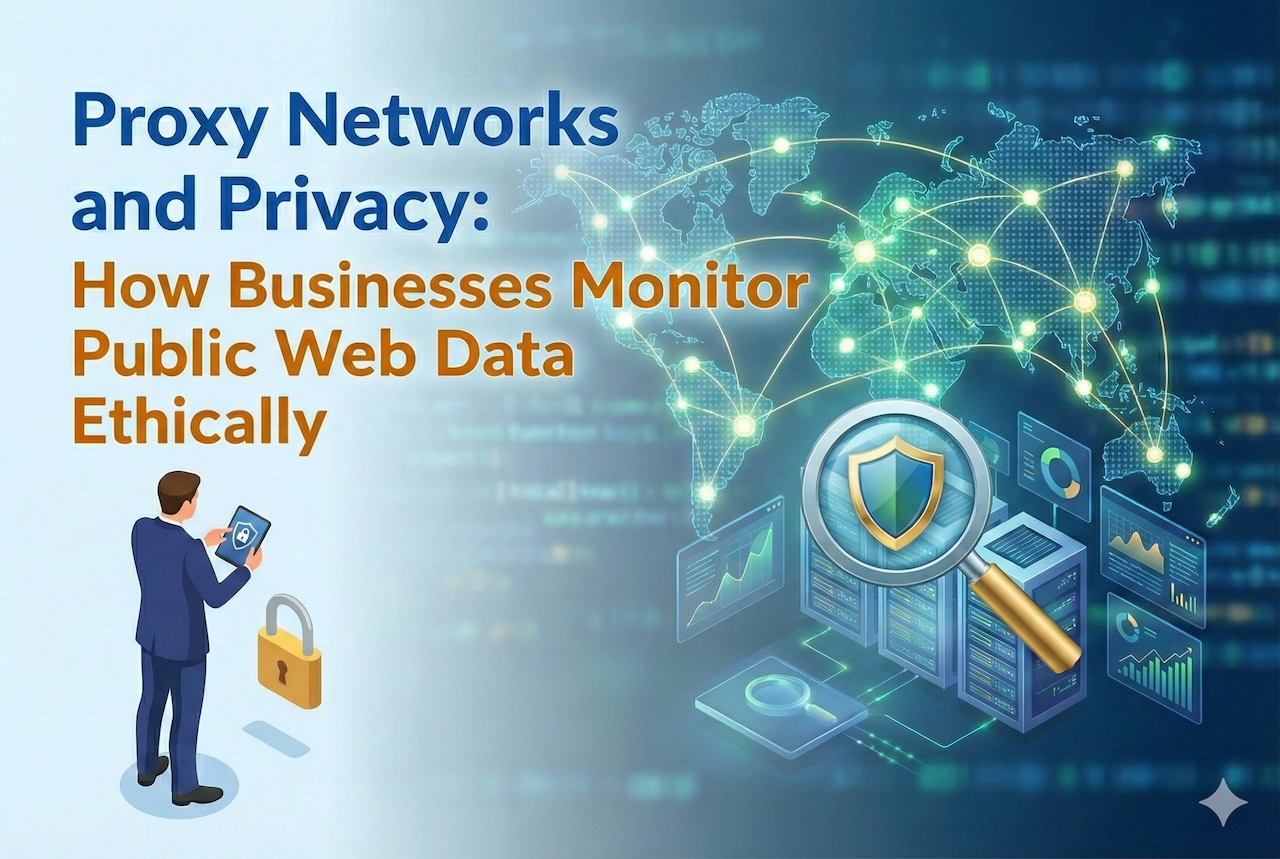
The internet feels like a public space, but collecting data from it at scale raises legitimate privacy concerns. Businesses need competitive intelligence, market research, and security monitoring—yet they must balance these needs against user privacy and ethical data collection practices.
This tension isn't theoretical. Companies face real consequences when they cross ethical lines, from regulatory penalties to reputation damage. Understanding how to monitor public web data responsibly isn't just good ethics—it's good business.
What Makes Data Collection Ethical?
Not all web scraping is created equal. There's a meaningful difference between a business checking competitor pricing on public product pages and someone harvesting personal information from social media profiles.
Ethical data collection starts with a simple principle: respect the distinction between public and private information. Just because something is technically accessible doesn't mean it's fair game. A public forum discussing products differs fundamentally from private messages or personal data behind authentication walls.
The key factors that separate ethical from problematic data collection include:
- Publicly available information: Data that anyone can view without logging in or bypassing restrictions falls into a different category than information requiring authentication or violating terms of service.
- Legitimate business purpose: Monitoring your brand mentions, tracking market trends, or verifying your own ads serve clear business needs without infringing on individual privacy.
- Reasonable collection methods: Hammering a website with thousands of requests per second differs from respectful, rate-limited data gathering that doesn't disrupt services.
- No personal identification: Aggregate data about market trends respects privacy far more than building profiles of individual users.
Why Businesses Use Proxy Networks
Proxy networks have earned an unfair reputation in some circles, associated with shadowy activities or attempts to hide malicious behavior. In reality, legitimate businesses rely on proxies for entirely ethical purposes.
Consider a cybersecurity company testing how their client's website appears from different locations. Or a brand monitoring how their products are presented on various e-commerce platforms across regions. These scenarios require viewing content as it appears to users in specific geographic areas.
This is where solutions like an ISP proxy become essential infrastructure. When a business needs to verify how their website loads for California users versus New York users, or ensure their advertising dollars aren't being wasted on fraudulent impressions, proxy networks provide the tool for that verification.
Geographic considerations matter more than many realize. Search results, product availability, pricing, and even website content often vary by location. A company expanding into new markets needs accurate intelligence about what potential customers actually see, not what appears from their headquarters.
Common Ethical Use Cases
Let's examine specific scenarios where proxy networks serve legitimate business interests while respecting privacy.
- Competitive price monitoring: E-commerce businesses track how competitors price similar products. This requires viewing public product pages as they appear in different markets. No personal data is collected—just publicly listed prices that any consumer could see.
- Brand protection: Companies monitor for counterfeit goods, unauthorized resellers, or trademark violations. This often requires checking listings across multiple regions and platforms. The data being collected is public product listings, not consumer information.
- SEO and search presence: Businesses verify how they rank in search results across different locations. Search engines show different results based on user location, so understanding your visibility requires geographic testing.
- Ad verification: Companies spending marketing budgets want proof their ads display correctly and reach intended audiences. This requires viewing ads as they appear in different regions and contexts.
- Security testing: Organizations test their own infrastructure from various IP addresses to identify vulnerabilities or ensure content delivery networks function properly across regions.
- Market research: Understanding regional preferences, trends, and consumer sentiment helps businesses make informed decisions. This might involve monitoring public forums, reviews, or social discussions—all publicly accessible information.
The Education Sector Example
Higher education provides an interesting case study in ethical data monitoring. College admissions have become increasingly competitive, with families investing significant resources in the application process.
Services like Solomon Admissions help students navigate this complex landscape. These consulting services need to stay current on admissions trends, scholarship availability, and program requirements across hundreds of institutions.
Maintaining accurate, up-to-date information requires monitoring university websites, program pages, and public announcements. No student data is being collected—just the publicly available information that appears on institution websites.
This illustrates an important distinction: collecting public institutional information differs entirely from harvesting student data. The former serves students trying to make informed decisions; the latter would constitute a privacy violation.
Setting Internal Guidelines
Organizations serious about ethical data collection should establish clear internal policies. These might include:
- Define acceptable targets: Specify which types of websites and data are appropriate to monitor. Public product listings and institutional information differ from personal social media profiles.
- Implement rate limiting: Ensure your data collection doesn't burden target websites. Spacing requests reasonably prevents service disruption.
- Respect robots.txt: While not legally binding in all jurisdictions, robots.txt files indicate a site owner's preferences about automated access. Respecting these signals demonstrates good faith.
- Review terms of service: Understand and comply with website terms of service, particularly regarding automated access.
- Establish data retention policies: Collect only what you need and delete it when no longer necessary. Indefinite data hoarding increases privacy risks.
- Regular ethics reviews: Technology and norms evolve. Periodically reassess whether your practices still align with ethical standards and business needs.
The Legal Landscape
Privacy regulations like GDPR in Europe and CCPA in California have raised the bar for data handling. While these primarily address personal information, they've increased scrutiny on all data collection practices.
The legal status of web scraping remains somewhat murky, varying by jurisdiction and context. Courts have generally held that collecting publicly accessible, non-personal data doesn't violate laws, but specific circumstances matter enormously.
Rather than looking for loopholes, ethical businesses ask: "Does this practice respect user privacy and serve a legitimate purpose?" That standard proves more durable than trying to skate along the edge of legal minimums.
Technical Safeguards
Technology can reinforce ethical practices. Implementing technical safeguards demonstrates commitment to responsible data collection:
- Authentication barriers: Configure systems to respect login walls and never attempt to access authenticated areas without permission.
- Personal data filters: Implement automated screening to flag and exclude personal information like email addresses or phone numbers from collected data.
- Transparent identification: Use clear user-agent strings that identify your organization rather than masquerading as regular browsers.
- Logging and auditing: Maintain records of what data was collected, when, and for what purpose. This enables accountability and compliance verification.
Building Trust Through Transparency
Companies leading in ethical data practices don't hide what they're doing. They explain their data collection methods to customers, partners, and stakeholders.
This transparency serves multiple purposes. It builds trust with customers who appreciate honesty about business practices. It helps employees understand ethical boundaries. And it creates accountability—public commitments to ethical practices become harder to quietly abandon.
The Competitive Advantage of Ethics
Some view ethics as a constraint on business effectiveness. The opposite is true. Companies known for ethical practices attract better talent, build stronger customer relationships, and face fewer regulatory headaches.
In data collection specifically, ethical approaches prove more sustainable. Practices that respect privacy and website resources are less likely to get blocked, face legal challenges, or generate negative publicity.
Moving Forward
The debate about data collection and privacy will continue evolving. New technologies create new capabilities and new questions. Regulations will adapt. Social norms will shift.
What won't change is the fundamental principle: businesses can gather the intelligence they need while respecting individual privacy and operating ethically. It requires thoughtfulness, clear policies, and willingness to forgo practices that might be technically possible but ethically questionable.
The companies that thrive long-term won't be those that collected the most data, but those that earned trust through responsible practices while still gathering the insights needed to serve customers effectively.
Wrap Up
Proxy networks, properly used, are tools for legitimate business intelligence. Like any tool, their ethics depend on how they're wielded. The businesses getting this right prove that competitive advantage and ethical operations aren't competing priorities—they're complementary ones.
Featured Image generated by Google Gemini.
Share this post
Leave a comment
All comments are moderated. Spammy and bot submitted comments are deleted. Please submit the comments that are helpful to others, and we'll approve your comments. A comment that includes outbound link will only be approved if the content is relevant to the topic, and has some value to our readers.




Comments (0)
No comment