
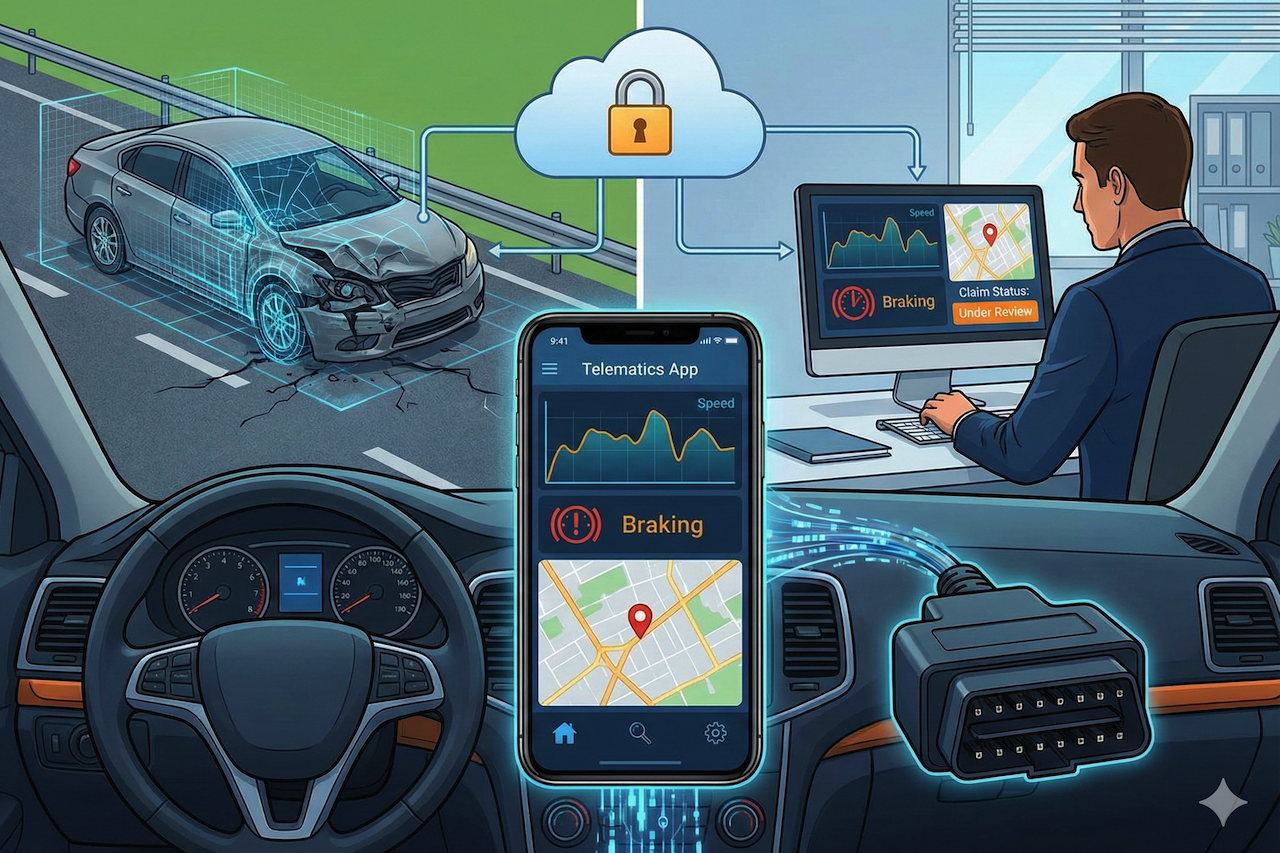
Maybe you’ve grabbed a quick insurance discount and thought nothing of it, but here’s the thing: if you’re using a tracking app or device linked to your policy, your insurer can usually pull up telematics data after a crash and use it during claims. That means details like your speed, braking, and even exactly where you were can get used to assign fault or, sometimes, lower your payout. It’s one of those details that should make you think about how you document the accident scene and whom you contact first.
Let’s get into how these companies actually get and interpret telematics after an accident, what kind of privacy (and legal) headaches you might run into, and what you can do to protect both your claim and your privacy. If you’re dealing with injury claims after a wreck, you might want to talk to an experienced law firm for some solid advice.
How Insurance Companies Track Drivers After an Accident
Insurers are pretty good at collecting time-stamped sensor data and app telemetry—data that shows your speed, braking, where you were, and whether you were using your phone around the time of a crash. This information can affect how they view liability, what you are paid out, and even what you pay for insurance down the road.
What Are Telematics Apps and Devices?
Telematics apps run on your phone or connect through plug-in gadgets you stick into your car’s diagnostic port. The phone apps use GPS, accelerometers, and gyroscopes to track your trips, while plug-in modules (OBD-II dongles or “black boxes,” as some call them) read data directly from your car and send it to the insurer.
You’ve probably seen programs like Drivewise, Snapshot, or Drive Safe & Save, as well as tech from companies such as Cambridge Mobile Telematics, Arity, and OnStar’s built-in systems. Sometimes you join voluntarily for a discount; other times, your policy may require it. Either way, it’s worth digging into the fine print about what data they keep and who they share it with before you sign up.
Types of Data Collected and How It's Used
They’re scooping up things like when and where you start and end trips, your GPS route, speed, hard acceleration, sudden braking, sharp turns, mileage, and even if you’re using your phone while driving. The plug-ins can also grab engine codes and diagnostics tied to your car’s VIN. Some even have crash detection that flags a collision and automatically pings your location.
Insurers use all this raw data to “score” your driving for usage-based insurance (UBI) programs, adjust your rates, and generate reports for their adjusters. They’ll often combine this data with photos from the scene, witness accounts, and police reports to reconstruct what happened. The policy language typically allows them to use this data to detect fraud or contest a claim.
Impact of Driving Data on Accident Claims
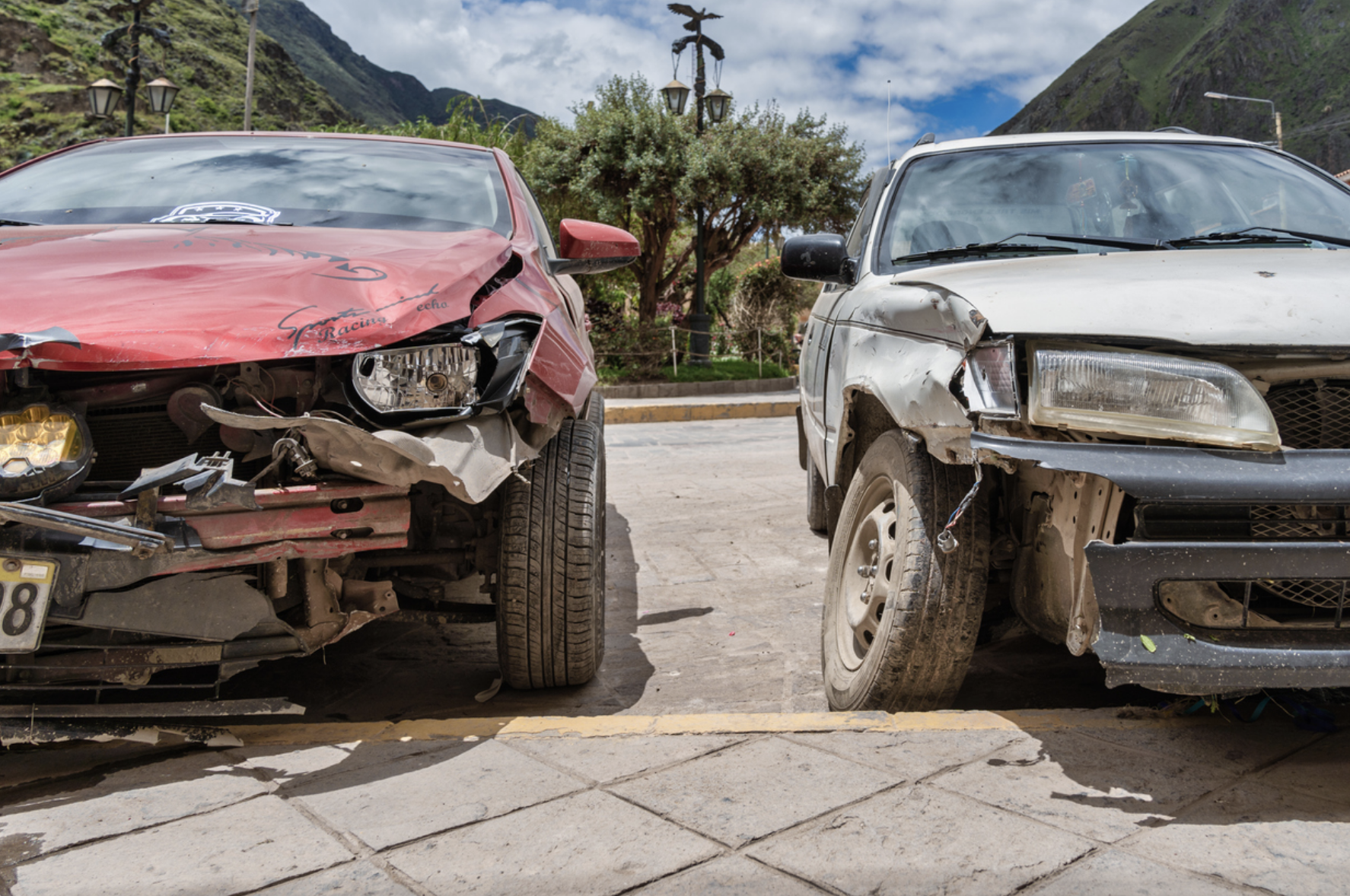
Telematics records can provide exact timestamps and trail data—so if you were speeding, slammed the brakes, or got distracted just before a crash, that’ll show up. This kind of evidence can support or challenge what drivers and witnesses say, which can be critical to determining who’s at fault.
If the data indicates risky behavior, insurers may reduce your payout or deny coverage. On the flip side, if your telemetry paints you as a safe driver, it can really help your claim. Lawyers and adjusters will closely examine whether the data is legitimate, whether the sensors were functioning correctly, and the road conditions before making a call.
Role of Telematics in Determining Fault and Insurance Payouts
Adjusters use telematics data and reports on damage and injuries to determine who’s mostly at fault. For instance, if the data shows you were speeding right before the crash, you could get a bigger slice of the blame and that might mean less money for you under comparative-fault rules.
What’s logged by your car insurance tracker can affect both what you get paid now and what you’ll pay in premiums later. If they see a pattern of risky driving, you might face higher rates or be required to undergo more monitoring. If you’re dealing with a dispute over telematics-based findings, ask for the raw data, find out how they did the math, and maybe talk to a lawyer, especially if they’re denying your claim or blaming you for the accident.
Privacy, Legal, and Consumer Impacts of Telematics Tracking
Telematics apps track your speed, braking, driving behavior, and routes. Insurers use it for pricing and claims, and sometimes they might share it with others. If you sign up, expect your location, driving habits, and possibly your data to be shared with vendors or brokers.
Data Privacy and Sharing Concerns for Drivers
These tools often collect non-stop GPS points, accelerometer data, trip times, and in-app activity. That can outline your daily routines, where you work, and the places you visit—a lot of people would rather keep that private.
Insurers and their partners may retain these records, whether raw or aggregated, and sometimes send them to analytics firms or data brokers. Thanks to some pretty broad consent language in policy docs, those transfers can happen quietly, so it’s smart to double-check your app’s permissions and see what your insurer says about sharing data before you agree.
Some apps want background access to your location or phone sensors. If you give them wide permissions, they could track you even when you’re not driving, building a profile beyond just your mileage. If that makes you uneasy, ask your insurer how long they keep your information, whether you can delete it, and whether you can opt out without being penalized with higher rates.
Legal Rights and Regulatory Protections
Some states and regulators are stepping in, requiring clearer info about what telematics collects and how it’s handled. In fact, a few states now say insurers have to explain what they’re gathering, how long they keep it, and if you can get your records or have them deleted.
Depending on where you live, you may have the right to request your driving logs or to have them deleted. If you think your insurer’s using the data unfairly—like jacking up your premium based on app data—talking to a lawyer could help you figure out if they broke the rules or acted shady.
Lawsuits and regulatory complaints (some targeting major carriers) have pushed for better notice and limits on the use of telematics for purposes unrelated to insurance. If you receive a rate hike or a claim denial tied to tracking data, keep records of your conversations and request a written explanation.
Premium Changes, Discounts, and Risks for Drivers
Usage-based programs might give you a nice discount up front if you drive safely, but honestly, those rates can change once insurers really dig into your telematics data. Some drivers, usually younger, see real savings, but others end up with higher renewal bills if the data shows they speed frequently, drive late at night, or are glued to their phones behind the wheel.
Insurers can use telematics data to adjust your renewal premium, add surcharges, or even deny claims if your recorded behavior appears risky. If what’s on record doesn’t match your version of an accident, that evidence could back up a denial or at least shrink your payout. It’s a little unnerving, honestly.
So, is it worth it? Drivers need to stack up those promised savings against the flip side: discounts that vanish after the intro period, risk labels that stick around way longer, and the chance that third parties might get a say in your rates. It’s smart to ask about other discount options and whether ditching the device or app will increase your price. Basically, weigh the pros and cons before you sign up.
Conclusion
Telematics apps and devices have changed how insurance companies assess driving behavior, process claims, and determine fault after an accident. While these tools can offer benefits such as discounts and faster claims handling, they also introduce important considerations around data accuracy, privacy, and long-term cost impacts.
For drivers, the key is awareness. Understanding what data is collected, how it may be used after a crash, and what rights you have to access or challenge that data can make a meaningful difference in both claims outcomes and future premiums. Weighing the convenience and potential savings of telematics against the level of monitoring involved allows drivers to make more informed decisions.
Ultimately, telematics is neither inherently good nor bad, it is a tool. Knowing its limits, reading policy terms carefully, and seeking professional guidance when disputes arise can help protect both your financial interests and your privacy.
Disclaimer
The information provided in this article is for general informational purposes only and does not constitute legal, insurance, or professional advice. Laws, regulations, and insurance practices may vary by location and individual circumstances. Readers should consult qualified legal or insurance professionals for advice specific to their situation.
References to third-party websites are provided for informational convenience only. iplocation.net is not responsible for the content, accuracy, or availability of external links and does not endorse any third-party services or opinions referenced.
Featured Image generated by Google Gemini.
Share this post
Leave a comment
All comments are moderated. Spammy and bot submitted comments are deleted. Please submit the comments that are helpful to others, and we'll approve your comments. A comment that includes outbound link will only be approved if the content is relevant to the topic, and has some value to our readers.


Comments (0)
No comment