
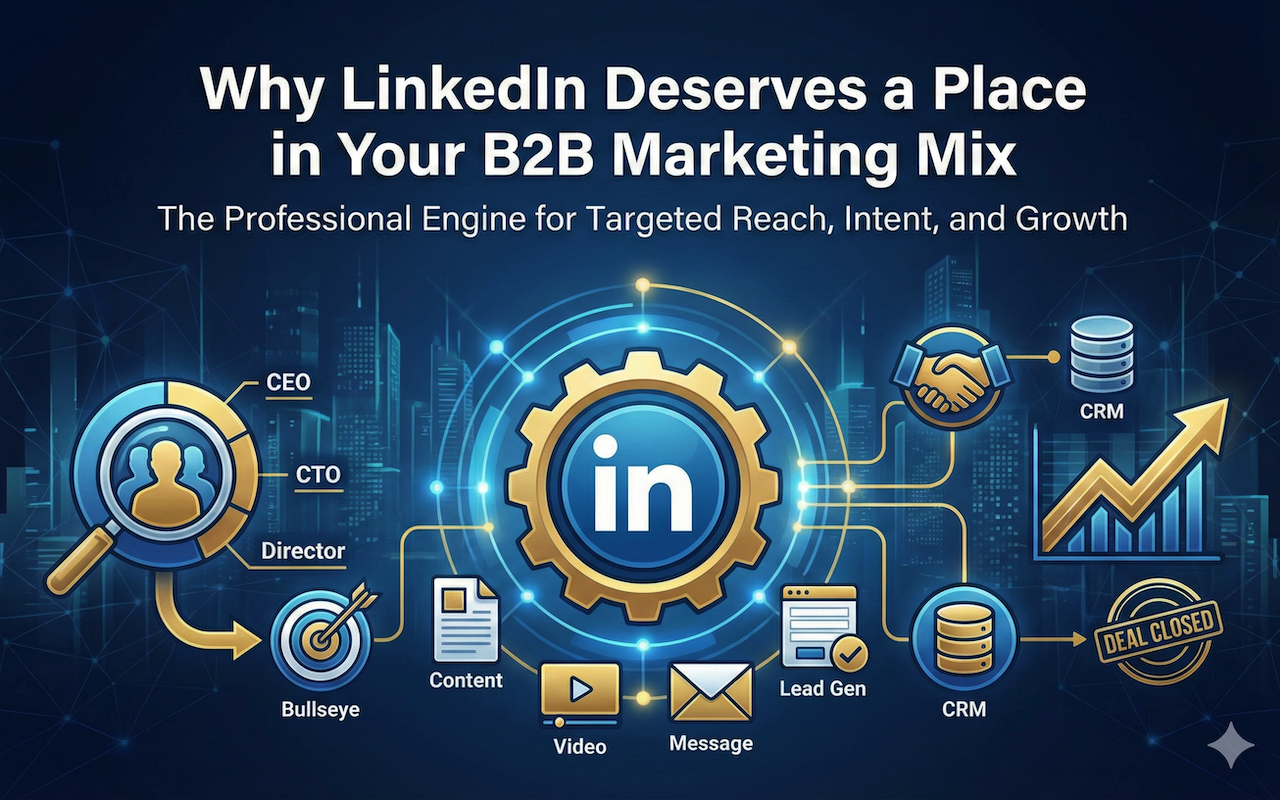
It’s Where Decision-Makers Actually Pay Attention
When you’re marketing B2B, the biggest challenge often isn’t reach; it’s relevance. You don’t need millions of impressions; you need the right ones. And this is where LinkedIn stands apart.
The platform isn’t just another social network. It’s a business-first environment where people come to learn, network, and explore professional solutions. That context matters. When someone sees your ad on LinkedIn, they’re already in a work mindset, which means they’re more open to business-focused messages.
You're not trying to interrupt someone’s evening scroll through pet videos or vacation photos. You’re joining a professional conversation, and that makes all the difference.
Intent Is Built Into the Platform
Most B2B buyers don’t make decisions on impulse. They research. They compare. They gather input from colleagues. What LinkedIn offers is the ability to meet those buyers right in the middle of that process.
From content marketing to product education, LinkedIn lets you guide potential customers through each phase of their journey. Someone might engage with a thought leadership post today, check out your company page tomorrow, and finally click on a conversion ad next week.
And because LinkedIn profiles are rich with professional data, your targeting can be laser-focused—from industry and seniority to specific job titles or even named accounts.
Ad Formats Built for B2B Goals
LinkedIn isn’t trying to be a one-size-fits-all platform. It offers formats clearly designed for B2B outcomes: lead-gen forms that integrate directly with CRMs, carousel ads for showcasing multiple solutions, video ads that simplify complex offerings, and message ads that feel like direct outreach.
Each of these has a place depending on your goals, whether you're driving awareness or pushing for conversions. What matters is that LinkedIn gives you options tailored to how B2B buyers actually evaluate solutions, not just how they click.
Using a LinkedIn ads software tool can help here by testing different formats, automating optimizations, and tracking performance beyond basic clicks.
LinkedIn Is More Than a Top-of-Funnel Tool
It’s a common misconception that LinkedIn only helps with brand awareness. But savvy marketers are using it throughout the funnel. Whether you’re driving webinar signups, booking demos, or retargeting users who visited your pricing page, LinkedIn can support those objectives.
Multi-touch campaigns perform exceptionally well here. For example, start with a high-value blog or industry report. Then retarget people who engaged with a more direct offer—like a product comparison guide or case study. It’s a way to build trust over time, not force it all in one ad.
Sales and Marketing Alignment Lives Here
For organizations practicing ABM (account-based marketing), LinkedIn becomes even more powerful. You can align ad campaigns with sales outreach, target key accounts, and ensure your messaging appears consistently across multiple touchpoints.
When sales reaches out via email or InMail and marketing reinforces the same message through ads, prospects feel they’re getting a cohesive experience, not a disjointed pitch.
This kind of coordination is hard to replicate on other ad platforms. LinkedIn naturally connects the dots between marketing and sales, making handoffs smoother and follow-ups more effective.
Performance You Can Actually Track
LinkedIn’s analytics platform has improved significantly over the past few years. But where it really shines is when you integrate it with tools that offer more profound insights. A solid LinkedIn ads software setup can show you not just who clicked, but which companies are engaging, what content leads to honest conversations, and how ad spend translates to pipeline.
Even beyond conversions, there’s value in metrics like branded search lift, company engagement, and account-level awareness. These are signs your campaigns are moving the right people closer to action.
Quality Over Quantity (and That’s a Good Thing)
Yes, LinkedIn CPCs tend to be higher than those on other platforms. But so is the lead quality. You’re not getting random clicks—you’re getting interest from people who are in roles that matter. That’s a trade-off most B2B marketers are happy to make.
When you factor in deal size, sales cycle length, and the cost of poor leads, spending a bit more to reach the right audience starts to look like a bargain.
Final Thought: LinkedIn Isn’t Optional for B2B Anymore
If your marketing mix doesn’t include LinkedIn, you’re likely missing out on some of your most valuable prospects. It’s not just about visibility; it’s about credibility. Showing up on LinkedIn tells buyers you’re serious, relevant, and ready to help them solve real business challenges.
The platform rewards consistency, thoughtful targeting, and intelligent sequencing. It’s not a magic bullet, but when used well, it’s one of the most effective tools in the B2B marketer’s playbook.
Whether you're running things in-house or partnering with a trusted partner, integrating LinkedIn into your strategy isn't just a nice-to-have anymore. It’s a competitive edge.
Featured Image generated by Google Gemini.
Share this post
Leave a comment
All comments are moderated. Spammy and bot submitted comments are deleted. Please submit the comments that are helpful to others, and we'll approve your comments. A comment that includes outbound link will only be approved if the content is relevant to the topic, and has some value to our readers.
Comments (0)
No comment