
From Status Updates to Shared Worlds
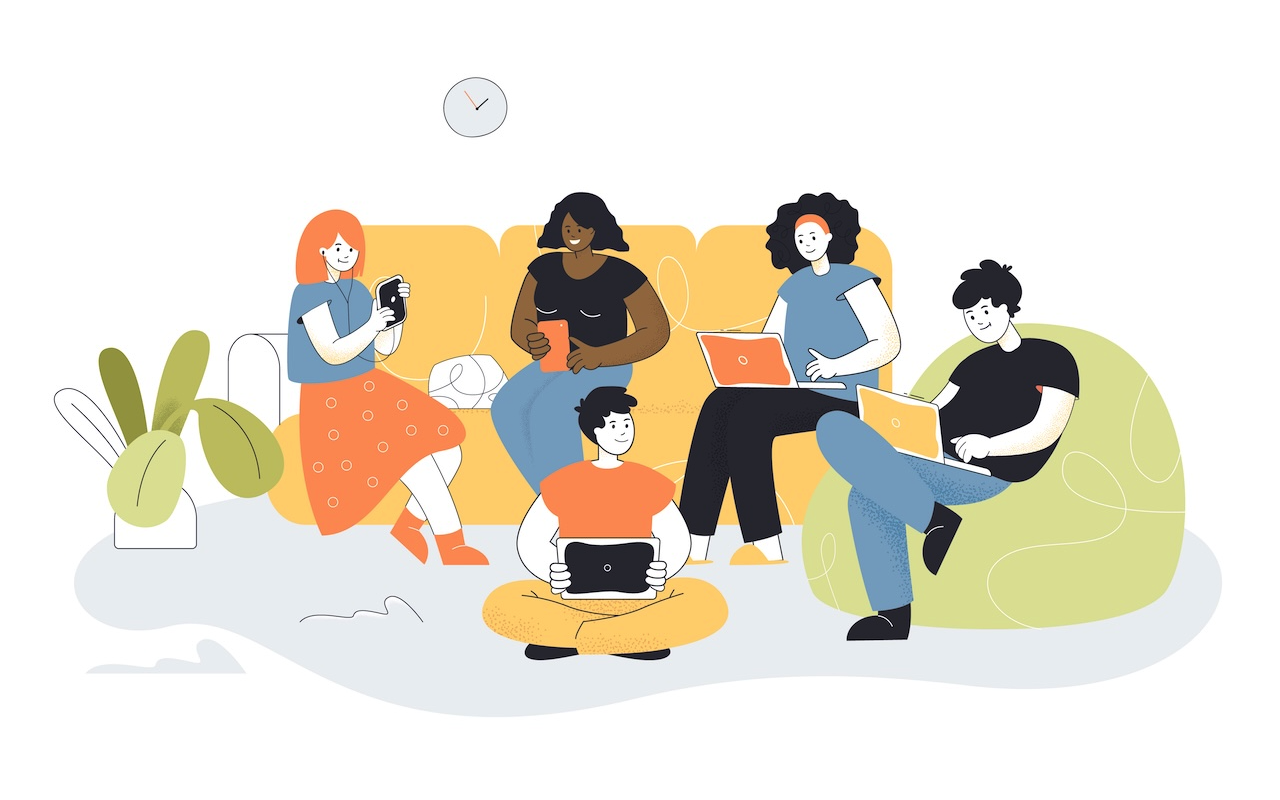
Remember when group chats were the go-to digital hangout for teens? Text threads and emoji reactions once ruled the scene, but for Gen Z, the vibe has shifted. Now, instead of exchanging messages in silence, young people are diving into shared digital experiences—think virtual concerts, custom mini-games, or building entire worlds together. Gaming is no longer just about points and levels; it’s become a social hub.
This generational shift isn’t just a trend; it reflects a deeper change in how young users engage with technology. Social media might still be popular, but it often lacks the interactivity and creative control that games offer. Within game spaces, especially sandbox titles, Gen Z is crafting unique identities, creating content, and hanging out in ways that mimic and even improve upon—real-world interactions.
Virtual Economies, Real Conversations
Curious players sometimes explore digital marketplaces such as Eneba, where Robux deals from different vendors are available. These platforms provide another option for obtaining in-game currency to customize avatars or unlock new experiences in Roblox.
What used to be passive entertainment has evolved into full-blown engagement. Voice chats during co-op sessions feel like real conversations. Creating a world with your friends? That’s a collaborative project. Hosting a digital birthday party? That’s community-building. These in-game spaces serve not only as entertainment but as identity workshops where Gen Z can experiment, bond, and even develop soft skills like communication and teamwork.
Not Just for Play: A Creative Generation Emerges
Many Gen Z players aren’t just hanging out in games; they’re building them. Platforms like Roblox have enabled a surge in young developers who treat the platform like a sandbox for coding, design, and digital entrepreneurship. This creative expression allows users to gain real-world experience while doing something they genuinely enjoy.
For parents or those outside the gaming world, it might be surprising to learn that many teens are spending their evenings designing virtual escape rooms or running full-blown in-game fashion brands. Yet for Gen Z, the line between gaming and real-world impact is increasingly blurry and that’s the point. They're turning play into productivity, using platforms that support creativity and connection at the same time.
More Than a Game, It’s a Generation’s Third Space
Sociologists refer to “third places” as spaces outside home and work where people gather, such as cafés or parks. For Gen Z, online games are rapidly becoming that third space. They offer room for self-expression, interaction, and experimentation, all without the pressure of curated Instagram feeds or aggressive comment sections.
This shift is especially meaningful in a post-pandemic world where social norms have adapted to digital-first lifestyles. Whether it’s through hosting a virtual concert, designing a custom avatar, or co-creating new games, Gen Z is pushing the boundaries of what it means to “hang out.”
Finding Tools for the New Normal
Whether you’re a parent trying to understand your child’s digital world or a gamer rediscovering virtual spaces, it’s now easier than ever to explore the culture Gen Z is shaping, one avatar at a time.
Featured Image by Freepik.
Share this post
Author

Read the latest articles from Haya Khan
How V Rising Revitalized the Vampire Survival Genre
December 10, 2025
Vampires are everywhere. Movies, TV shows, books, games — if there’s a spooky season, they’re there, lurking in the shadows. But let’s be real: the vampire genre in gaming had gotten a bit… stale. The whole “vampire lord ruling a dark fantasy world” thing had been done to death. Enter V Risi [...]
Learn moreHow Digital Gift Cards Bridge the Gap Between Banking and Gifting

December 8, 2025
In a world where money moves at the speed of a tap, traditional banking often feels as if it’s still catching up. Checks are fading out, cash isn’t always convenient, and even standard bank transfers can feel slow compared to modern digital interactions. Digital gift cards have emerged as a practical option f [...]
Learn moreLeave a comment
All comments are moderated. Spammy and bot submitted comments are deleted. Please submit the comments that are helpful to others, and we'll approve your comments. A comment that includes outbound link will only be approved if the content is relevant to the topic, and has some value to our readers.
Comments (0)
No comment