
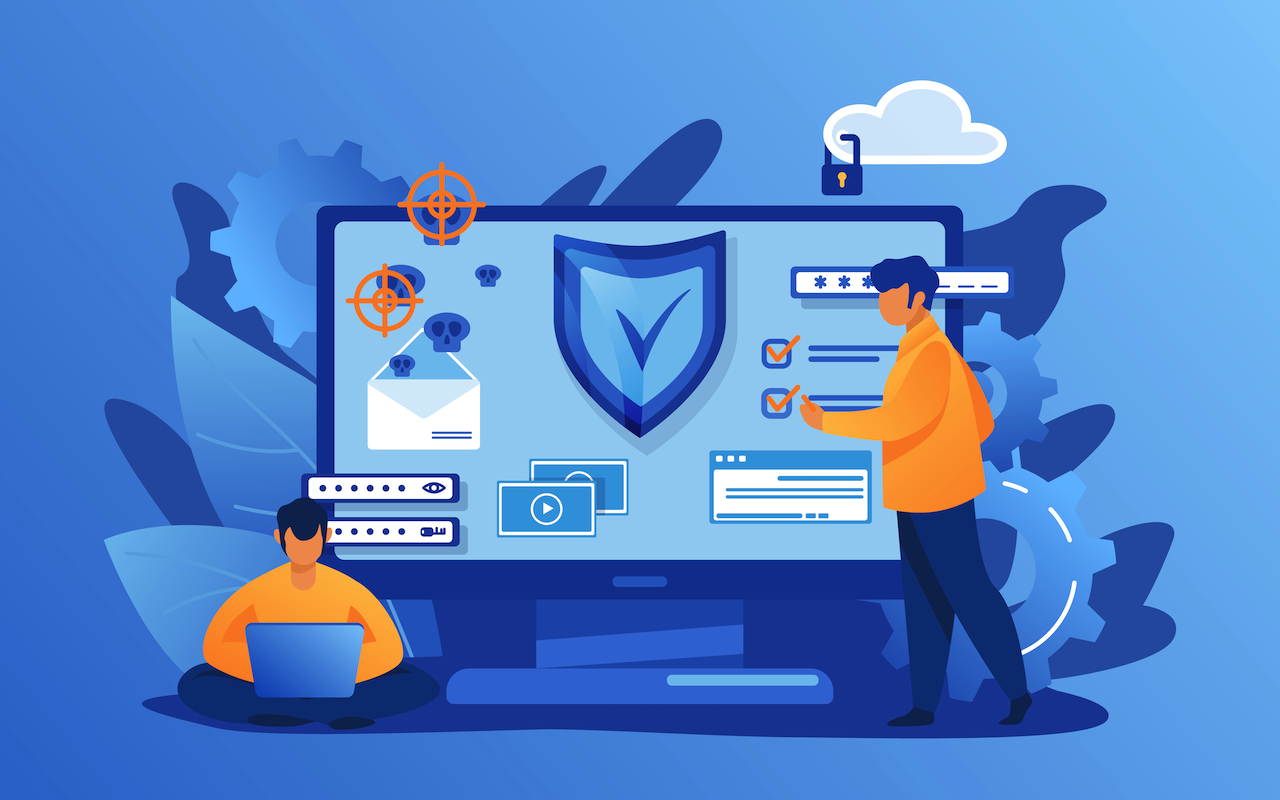
Cyberattacks are becoming increasingly sophisticated and more common. Small businesses often assume they're not at risk, but cybercriminals take advantage of this belief. Losing sensitive data or experiencing downtime can severely harm a company’s reputation and finances.
The reality is that over 40% of cyberattacks are aimed at small businesses, many of which lack the resources for continuous protection. That’s why proactive cybersecurity is critical, anticipating threats before they occur can mean the difference between prevention and costly recovery.
Why Proactive Cybersecurity Matters
Hackers don’t wait, and neither should you. Reactive security, addressing threats only after they appear, is no longer enough. Today’s cybercriminals use automation, social engineering, and advanced persistence techniques that evolve faster than traditional defenses. Proactive cybersecurity focuses on early detection, ongoing assessment, and continuous improvement to minimize risks before they escalate.
Threat Hunting and Risk Assessment
Cybercriminals target businesses of all sizes, taking advantage of weaknesses. Threat hunting identifies potential risks before they interfere with operations. Analysts actively search for weak points in systems, aiming to detect and stop threats early. This approach lowers the chances of attacks and minimizes harm caused by existing flaws.
Risk assessment examines a company’s security measures thoroughly. Teams review employee access privileges, outdated software, and third-party connections that may pose risks. As experts often say, a well-prepared business is far less likely to fall victim to an attack.
Continuous Network and Endpoint Monitoring
Hackers never rest, and neither should your network defenses. Continuous monitoring detects unauthorized access attempts, unusual file changes, or suspicious activity in real time. It keeps watch on both network traffic and endpoint devices like laptops or servers that often act as entry points for breaches. This preventive approach reduces risks significantly by stopping threats before they escalate into full-scale attacks.
Each endpoint becomes a secured gateway rather than a weak link. Modern security tools help identify vulnerabilities, enforce policies, and isolate threats immediately, reducing the potential impact of breaches. For example, dedicated cybersecurity teams such as the support team at EMPIGO demonstrate how continuous endpoint monitoring and rapid response protocols strengthen overall system resilience.
Security Patch Management
Outdated software leaves systems open to attacks. Security patch management resolves vulnerabilities by applying updates promptly. Attackers often target known flaws, so timely updates are essential.
Timely patching ensures that systems, including operating systems, applications, and firmware, stay resilient against emerging exploits. Automating this process or maintaining a structured patch schedule helps prevent oversights while keeping business operations uninterrupted. For example, computer support from Nuvodia illustrates how coordinated patch management and timely updates can enhance system stability and reduce exposure to cyber threats.
Cybersecurity Awareness Training
Employees often unknowingly become the weakest point in network security. Teaching them to identify phishing emails, suspicious links, and social engineering scams greatly reduces potential risks. Frequent workshops and practical simulations equip staff to spot threats promptly and respond effectively. "A chain is only as strong as its weakest link."
Enhance cybersecurity training by incorporating interactive tools or gamified methods. This approach ensures the material remains memorable while encouraging good online practices. Straightforward guidelines for password management and device usage also lessen human error, fortifying overall data protection efforts.
Data Backup and Disaster Recovery
Even with strong defenses, incidents such as ransomware attacks or natural disasters can still occur. That’s why data backups and disaster recovery plans are essential components of proactive cybersecurity.
Regularly scheduled backups, stored both offsite and in the cloud, protect critical data from permanent loss. Testing these backups ensures they can be restored quickly and reliably when needed.
A solid disaster recovery plan outlines how to restore systems, recover data, and resume operations with minimal downtime, keeping businesses functional even in the face of disruption.
Compliance and Regulatory Readiness
Cybersecurity isn’t only about protection; it’s also about compliance. Many industries require adherence to frameworks such as GDPR, HIPAA, or PCI DSS. Regular audits, documentation reviews, and security policy updates help ensure compliance while strengthening overall data governance.
Being proactive about regulatory requirements reduces the risk of fines, legal penalties, and reputational harm — while demonstrating to customers that data protection is a top priority.
Benefits of a Proactive Cybersecurity Approach
- Reduced Risk of Data Breaches: Early detection, risk assessments, and timely patching minimize exposure to vulnerabilities.
- Faster Response to Emerging Threats: Continuous monitoring allows quick containment and recovery when incidents occur.
- Stronger Business Continuity: Data backups and recovery planning ensure minimal downtime after an attack.
- Improved Employee Awareness: Ongoing training builds a security-minded culture that reduces accidental breaches.
- Enhanced Reputation and Trust: Demonstrating proactive security builds confidence among clients, partners, and regulators.
Conclusion
Cybersecurity is no longer a choice; it’s a necessity for survival in the digital world. Proactive defense means staying one step ahead: anticipating risks, closing vulnerabilities, and preparing for the unexpected.
By combining vigilant monitoring, regular updates, continuous training, and solid recovery plans, organizations can create a resilient defense that keeps operations running and data secure.
When it comes to cyber threats, prevention is far less costly than recovery.
Featured Image by Freepik.
Share this post
Leave a comment
All comments are moderated. Spammy and bot submitted comments are deleted. Please submit the comments that are helpful to others, and we'll approve your comments. A comment that includes outbound link will only be approved if the content is relevant to the topic, and has some value to our readers.
Comments (0)
No comment