

Tracking the Invisible: How IP Data Is Used to Monitor and Combat Online Drug Activity
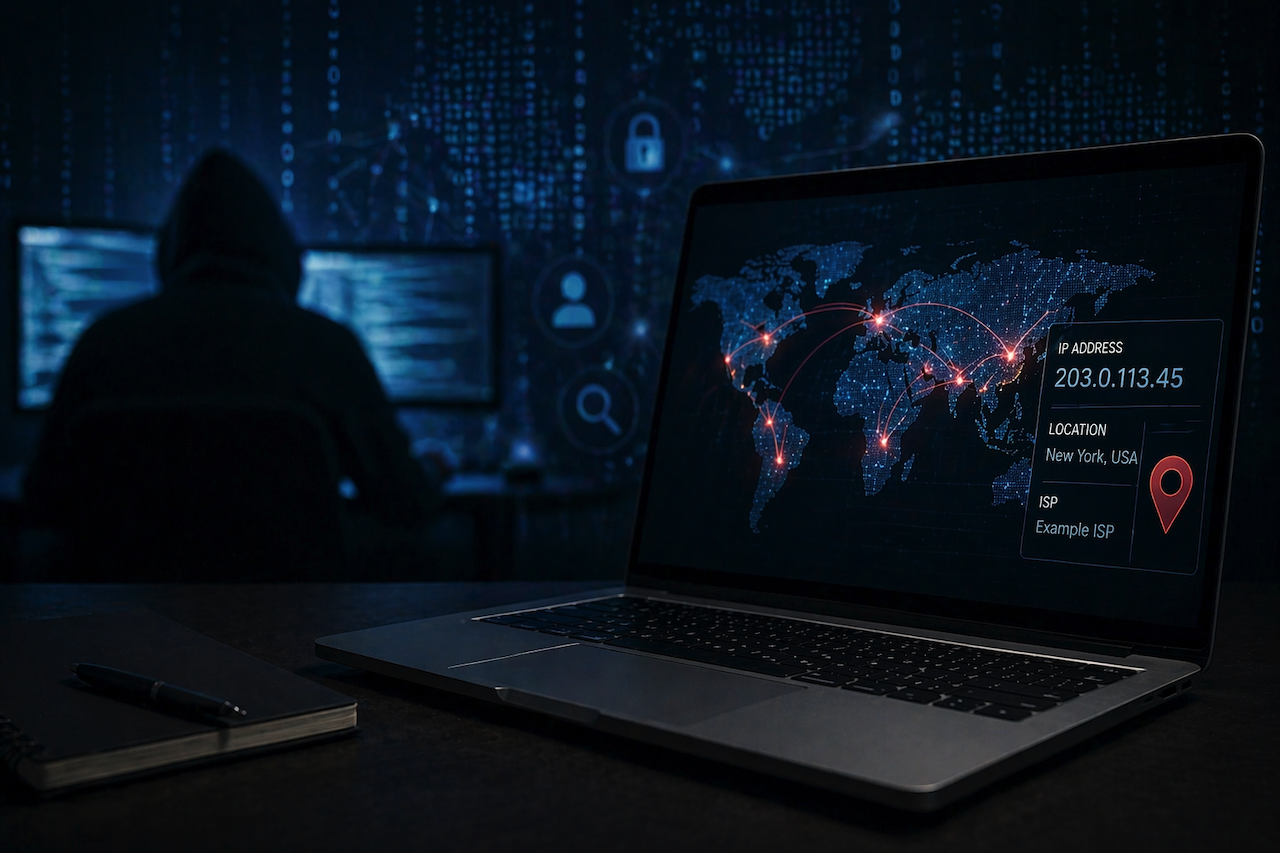
The internet has been transformative in our lives across pretty much everything we do, from the way we communicate to how we work, how we access information, and much more. Which means it’s also reshaped more problematic areas of life, too, including the global drug trade.
Illicit drugs have become more accessible than ever before, and as a result, more people are now seeking drug withdrawal help after developing addictions. There’s no doubt that the rise of technology has aided this, and behind this shift lies a layer of digital infrastructure that is often overlooked: IP addresses and geolocation data. Platforms such as IPLocation.net help explain how this system works, but the same underlying technology is also being used to detect and respond to illegal drug activity online.
While drug addiction has always existed as a public health issue, the digital age has added new dimensions to both access and enforcement.
The Digital Shift in Drug Access
In the past, acquiring illegal drugs typically required physical networks and face-to-face contact. Today, however, online marketplaces and encrypted platforms have significantly lowered barriers to access. This shift has made it easier for individuals struggling with addiction to obtain substances quickly and discreetly, often with minimal risk of immediate detection.
The anonymity of the internet can create a false sense of security. Users may believe their actions are untraceable, especially when using privacy tools or hidden services. However, every online interaction still leaves behind technical traces, including IP addresses that can reveal approximate geographic locations.
How IP Data Supports Investigations
An IP address acts as a digital identifier for devices connected to the internet. While it does not directly reveal a person’s identity, it can provide information about their general location and internet service provider. This makes it a useful starting point for investigations into illegal online activity, including drug trafficking networks.
Law enforcement agencies often use IP data alongside other digital evidence to build cases. Patterns of activity, repeated access points, and location inconsistencies can all help identify suspicious behavior. Although criminals may attempt to obscure their IP addresses using virtual private networks (VPNs) or proxy services, these tools are not always foolproof.
The use of geolocation data allows investigators to map potential distribution hubs and understand how online drug networks operate across borders.
The Role of Technology in Addiction
While IP tracking is primarily used for investigative purposes, the broader digital environment also plays a role in sustaining addiction. Online platforms are designed for convenience and speed, which can unintentionally reinforce compulsive behavior. Understanding how DNS and IP tracking support internet navigation helps clarify how these systems operate behind the scenes.
For individuals struggling with substance dependence, the ability to access drugs online removes traditional obstacles such as geography and social interaction. This ease of access can make relapse more likely and recovery more challenging.
At the same time, digital spaces can also expose users to communities where drug use is normalized, further complicating efforts to break addictive patterns.
Privacy, Ethics, and Limitations
The use of IP data in monitoring drug-related activity raises important ethical questions. While it can assist in identifying illegal networks, it also involves tracking users who may not be directly involved in criminal behavior. Striking a balance between public safety and individual privacy remains a complex challenge.
It is also important to recognize the limitations of IP-based tracking. IP addresses can be dynamic, shared between users, or masked entirely. As a result, they are rarely sufficient on their own to identify individuals with certainty. Instead, they are used as part of a broader investigative toolkit.
Technology as Part of the Solution
Despite its role in enabling access, technology also offers tools for addressing drug addiction. Online support groups, telehealth services, and digital counseling platforms have made it easier for individuals to seek help discreetly. This can be particularly valuable for those who may feel stigmatized or ashamed of their situation.
Anonymity, which can sometimes facilitate harmful behavior, can also encourage honesty and openness in recovery settings. For some, the ability to access support without revealing their identity is a crucial first step towards seeking treatment.
A Changing Digital Landscape
The relationship between IP data, online behavior, and drug addiction reflects a broader reality: technology is neither inherently harmful nor beneficial. Its impact depends on how it is used, regulated, and understood.
As digital systems continue to evolve, so too will the methods used to combat illegal activity and support those affected by addiction. Greater awareness of how tools like IP tracking work can help both professionals and the public better understand the risks and responsibilities of the online world.
Conclusion
Ultimately, addressing drug addiction in the digital age requires more than enforcement; it requires education, support, and a careful balance between innovation and ethics. As digital systems continue to evolve, understanding how technologies like IP tracking function can help individuals and organizations navigate the risks and responsibilities of the online world more effectively.
Disclaimer
The information provided in this article is for general informational and educational purposes only. It does not constitute legal, medical, or professional advice. References to IP tracking, geolocation, and online monitoring are intended to explain general concepts and should not be interpreted as guidance for conducting investigations or surveillance.
While efforts are made to ensure accuracy, technologies and regulations related to privacy, cybersecurity, and law enforcement may vary by region and change over time. Readers should consult qualified professionals or relevant authorities for specific advice.
This article discusses sensitive topics, including drug use and addiction, strictly from an informational perspective. If you or someone you know is struggling with substance use, please seek support from a licensed healthcare provider or a recognized support organization.
Featured Image generated by ChatGPT.
Related Articles
September 17, 2024
Cybersecurity Solutions for Protecting Personal Data: Advice from Experts
Living in a wired world, personal data is more vulnerable than ever. From social media to banking, your information is always exposed and in the line of theft or other forms of exp...
Read More
August 22, 2024
How Temporary Phone Number Solves Online Security Problem
Maintaining privacy on the internet is becoming increasingly difficult. Every social network, email service, or classified ad site requires a significant amount of personal data, w...
Read More
December 22, 2023
Why Online Security & Privacy Matter More Than Ever
Recent years have brought an alarming rise in data and privacy breaches, with everyone from social media companies to retailers and online brands falling victim to cyber-attacks. A...
Read More
Comments
Comments are available to signed-in users and are moderated to keep the discussion useful and respectful. Spam, automated submissions, and low-value promotional comments are removed. Outbound links may be approved when they are relevant and genuinely helpful to readers, but they are displayed as plain text rather than clickable hyperlinks.
No comments have been published yet.
Please sign in to submit a comment.