February 5, 2026
by IP Location

The internet feels anonymous, but in reality, every device connected to
the web leaves digital traces. One of the most important signals is your
IP address. Whether you’re browsing websites, using apps, streaming
sports, or logging into a social media account, your IP address plays a
significant role in how networks route data and how platforms ident...
February 5, 2026
by IP Location
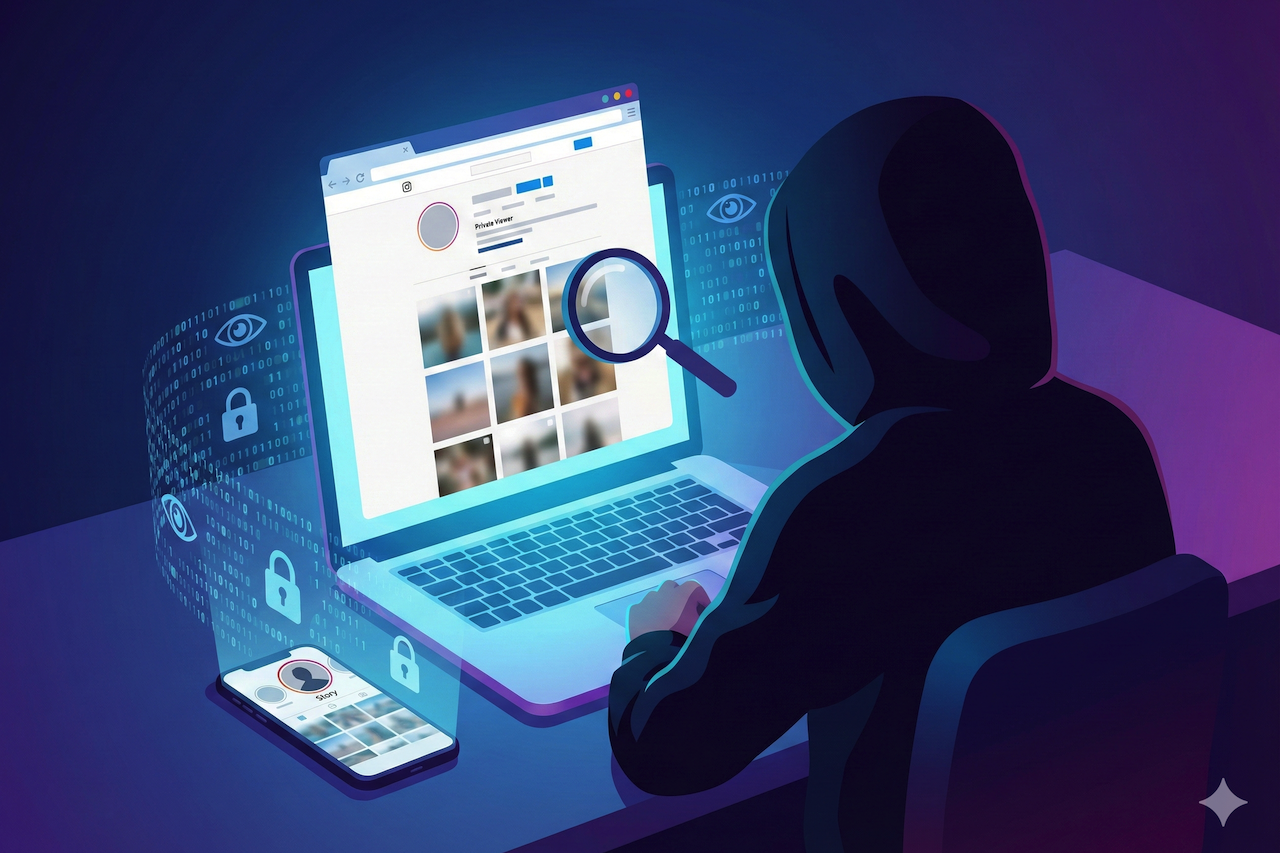
We all spend a lot of time on social media these days. Instagram is one
of the most popular places to share photos and stories, but sometimes,
you might want to look at content without logging into your own account.
Maybe you lost your password, or perhaps you just want to check a
profile without leaving a trace. In such situations, some users turn t...
February 4, 2026
by Thomas Lore

Playing games online often feels wonderfully simple at first glance. You
open a website, choose a game, and dive into that familiar rhythm of
focus and enjoyment. No noise. No pressure. Just play and concentration.
February 2, 2026
by IP Location
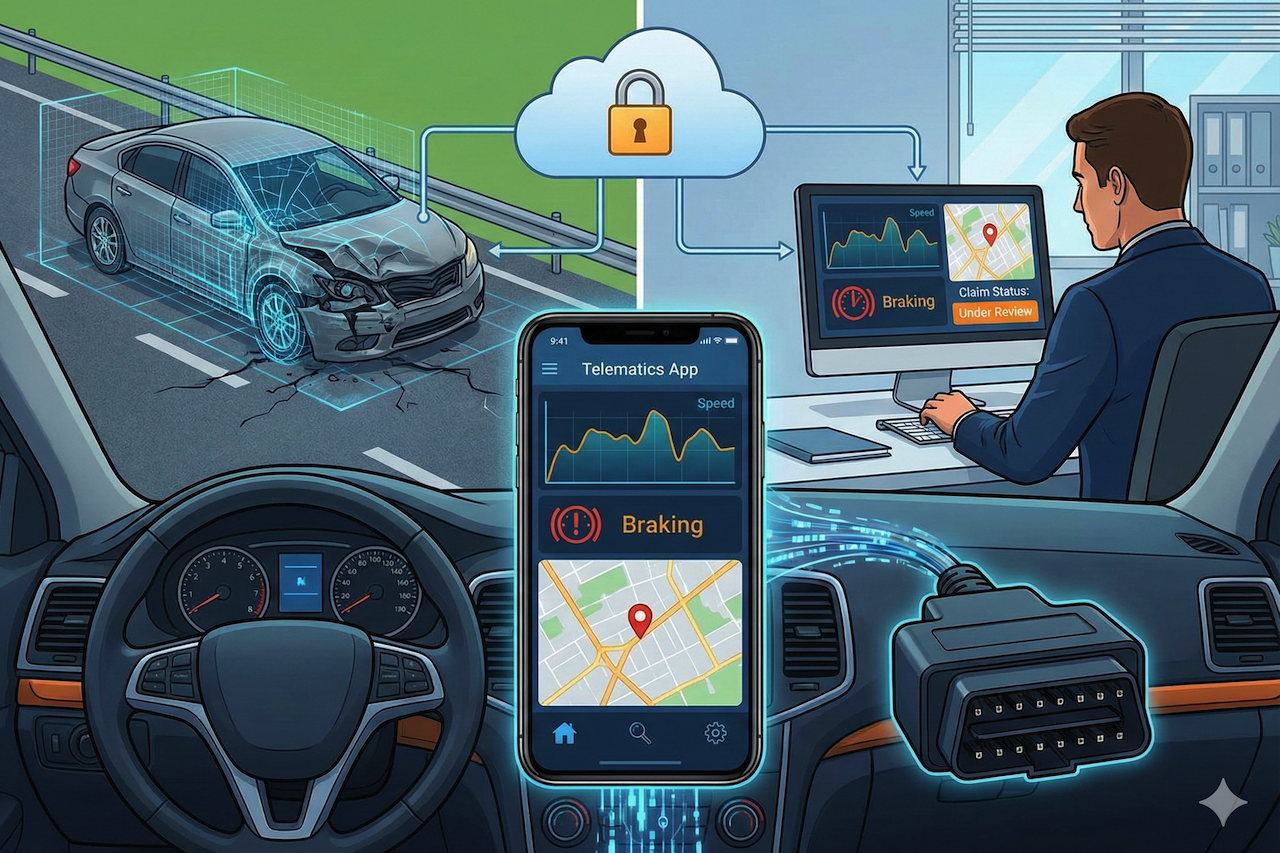
Maybe you’ve grabbed a quick insurance discount and thought nothing of
it, but here’s the thing: if you’re using a tracking app or device
linked to your policy, your insurer can usually pull up telematics data
after a crash and use it during claims. That means details like your
speed, braking, and even exactly where you were can get used to assign...
January 29, 2026
by IP Location
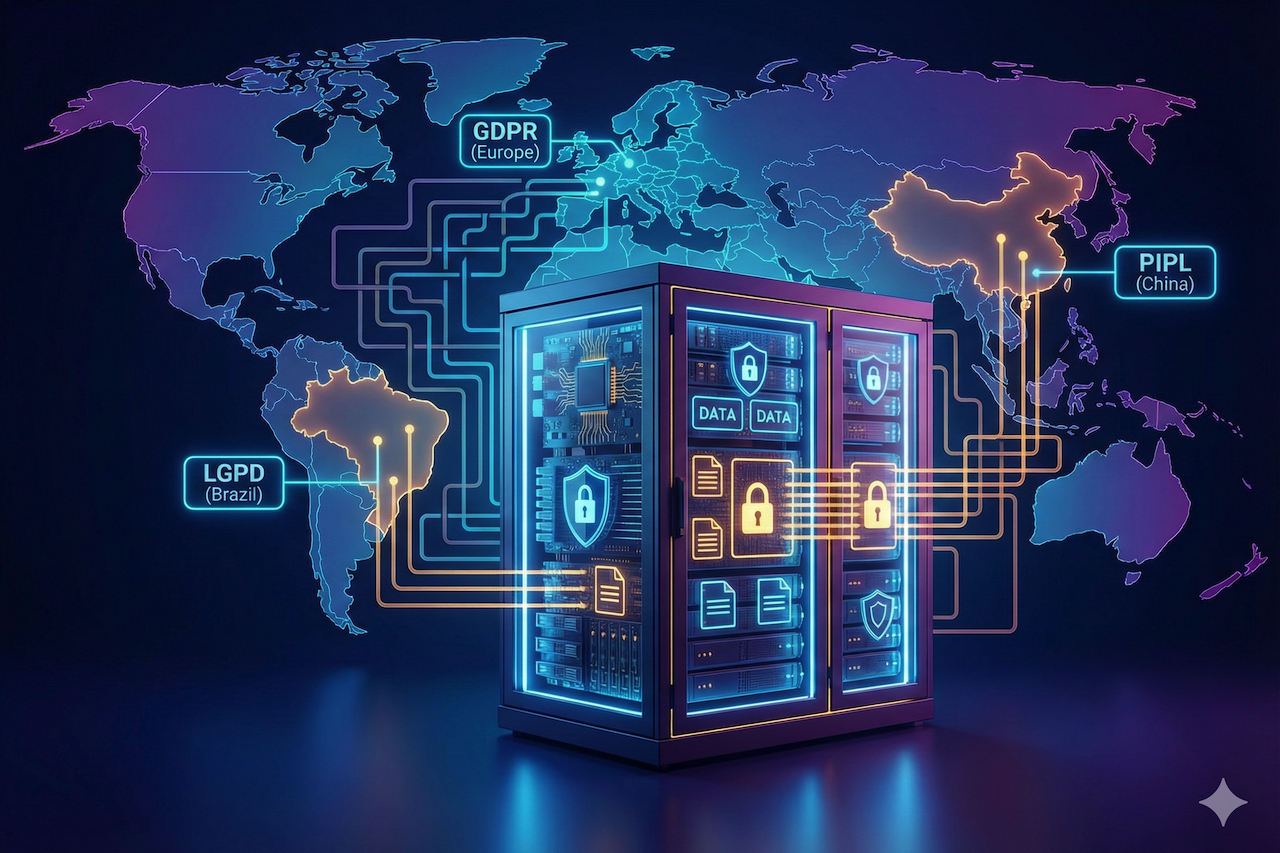
Companies operating across borders face a maze of data protection
regulations that impose conflicting requirements and severe penalties
for violations. European GDPR demands strict consent mechanisms and data
portability. China's PIPL requires local data storage and government
access provisions. Brazil's LGPD combines elements of both while adding...
January 29, 2026
by IP Location

Governments around the world are increasingly tightening regulations around access to age-restricted online content by enforcing mandatory age-verification requirements. In some jurisdictions, these efforts are driven by broader legislative frameworks, such as the Online Safety Act, which aim to increase platform accountability and protect younger users onli...
January 16, 2026
by IP Location
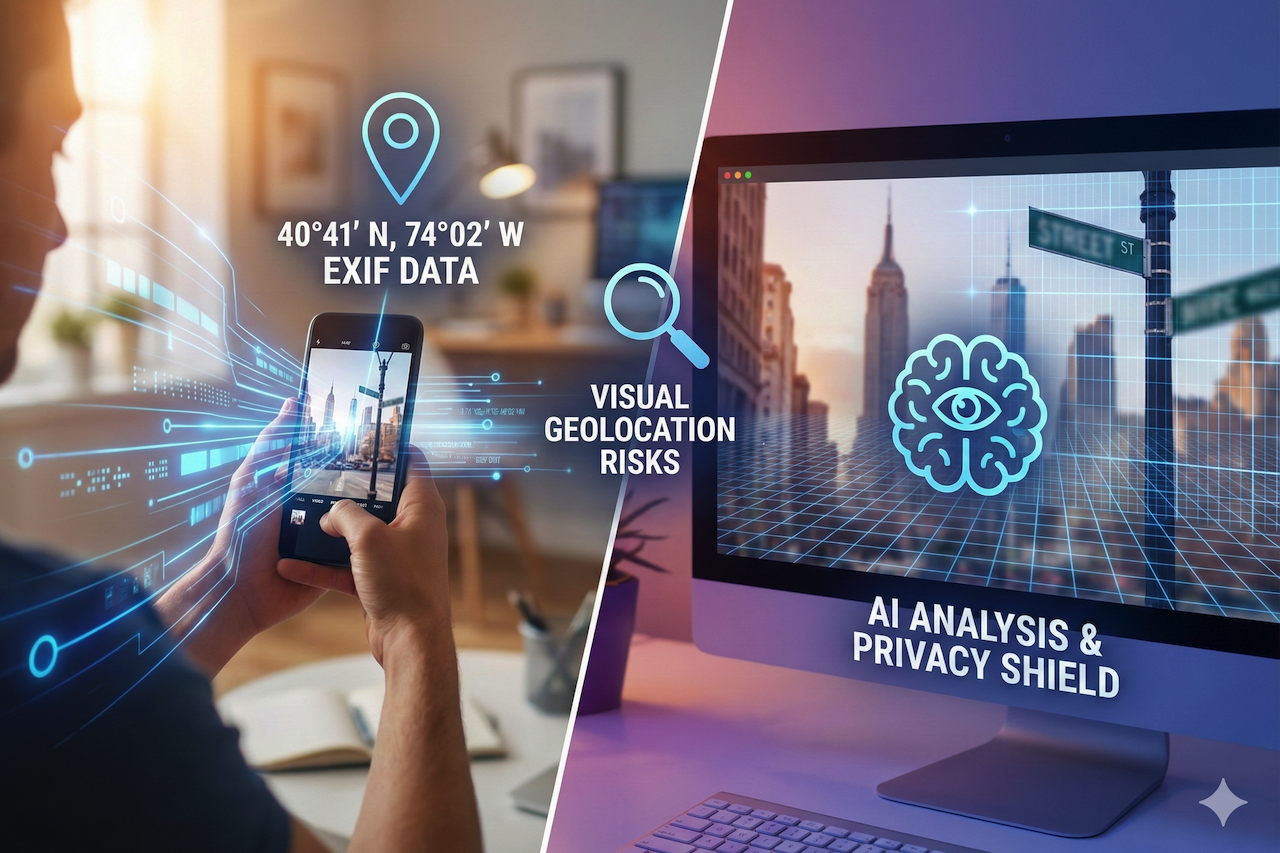
While network administrators and privacy-conscious users diligently mask
their IP addresses using VPNs and proxies, a significant vulnerability
often goes unnoticed: the digital image. In the era of high-definition
social sharing and AI analysis, a simple photograph can reveal as much
about a user’s physical location as an unmasked IP address.
January 12, 2026
by IP Location
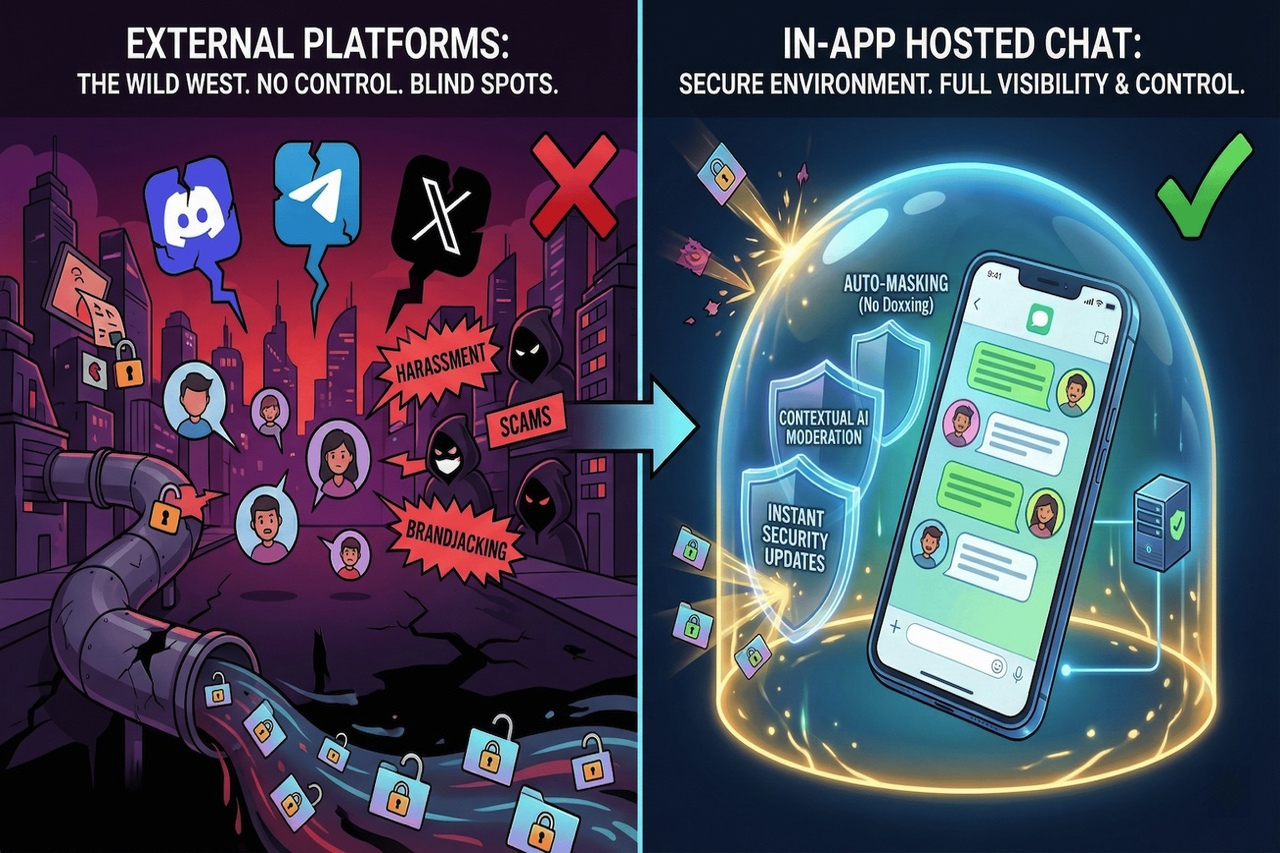
The answer to community-building over the last five years was, “Just
create a Discord server or a channel on Telegram.” This is everything
you could want as a shortcut—not to write code, not handle servers, and
no development cost.
January 6, 2026
by IP Location
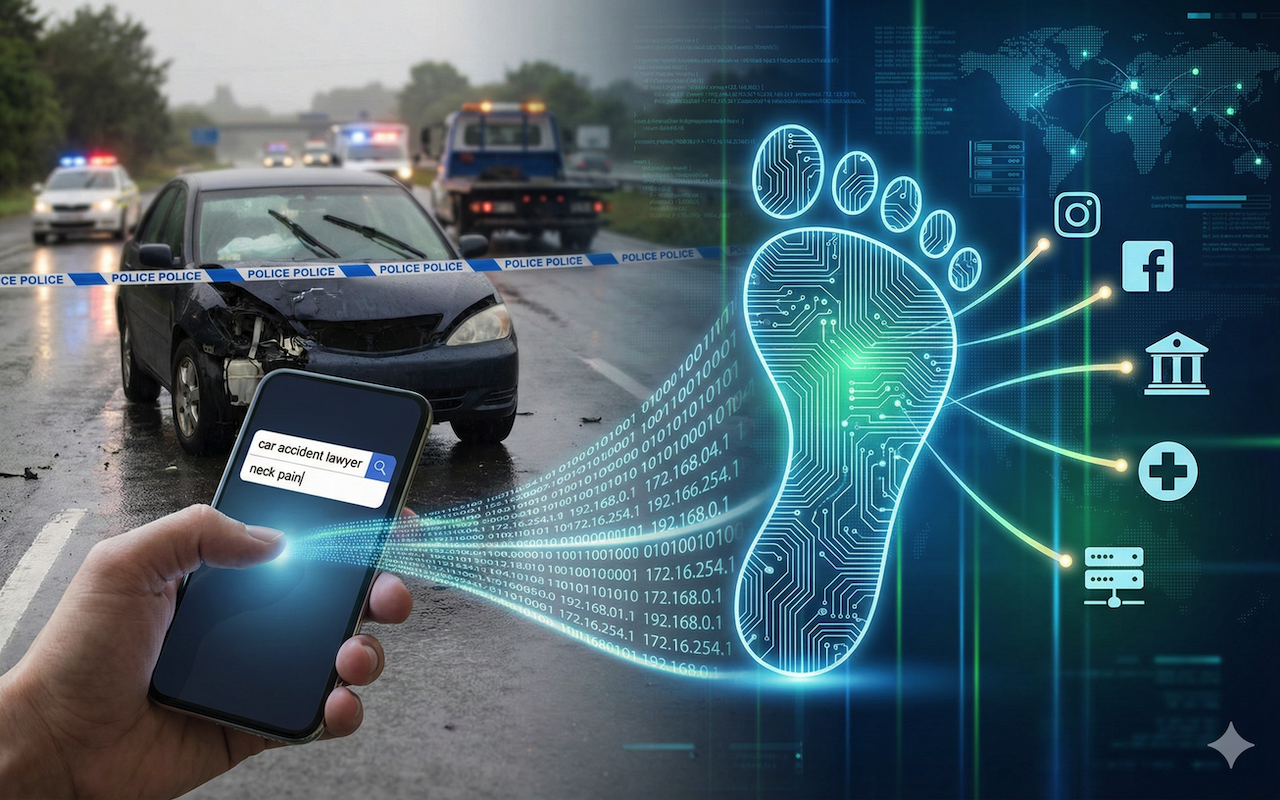
In the aftermath of a car accident, most people focus on physical injuries, vehicle damage, and insurance claims. However, there's another dimension that often goes unnoticed: your digital footprint. Every action you take online after an accident, from searching for medical advice to posting on social media, leaves a trail tied to your IP address. Understand...
December 10, 2025
by IP Location

In today's hyper-connected digital world, safeguarding your personal
information has become more important than ever. From social media
profiles to online banking, nearly every service now requires phone
number verification. While this process is designed to improve security,
it also exposes users to privacy risks. Sharing your personal phone
numbe...