October 12, 2017
by IP Location
The Address Resolution Protocol (ARP) Spoofing attack, also called ARP Cache Poisoning or ARP Poison Routing, is a technique by which an attacker sends spoofed ARP messages onto a Local Area Network (LAN). It is used to allow the attacker access to incoming internet traffic on a LAN by having their Media Access Control (MAC) Address be linked to the Internet...
October 10, 2017
by IP Location
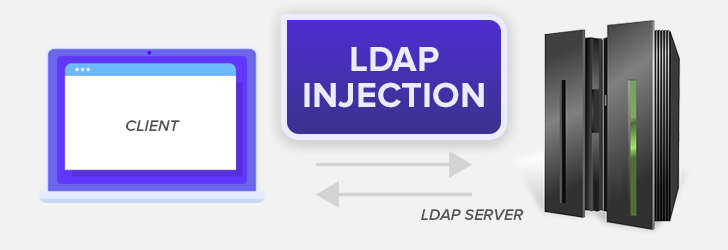
The Lightweight Directory Access Protocol (LDAP) is a standard application layer protocol in the Internet Protocol (IP) Suite used for accessing and maintaining distributed directory information services over a network. This is achieved by the protocol's methods to query and manipulate these directory services. Directory services are integral in setting up a...
October 6, 2017
by IP Location
· 1 comments
Incognito has a pretty catchy name - it sounds private, secure, and makes you feel like you can browse the web without leaving a recordable trace. However, the reality of incognito browsers is quite contrary.
September 17, 2017
by IP Location
· 2 comments

Our home router has become an internal part of the global communication footmark when the use of the Internet has developed to contain home-based telework, entertainment, personal financial management, social networks, school work, and businesses. The router facilitates the broadened connection. Almost all these devices are pre-configured by the company that...
September 16, 2017
by IP Location
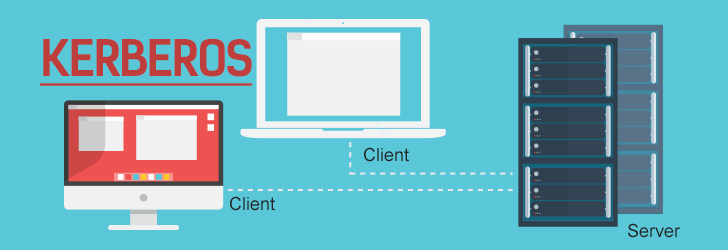
In simplest words, Kerberos is an authentication protocol which can service requests over an untrusted network such as the Internet. Kerberos formed its name from Greek mythology which was a three-headed dog that guarded the gates of Hades. Similarly, in Kerberos authentication, we have three heads representing
September 15, 2017
by IP Location

Cache Poisoning (or DNS Spoofing) is an attack technique where corrupted Domain Name Server (DNS) data is stored into the DNS Resolver’s cache and causes it to return an incorrect Internet Protocol (IP) Address. As a result of this, the network traffic is then redirected to the attacker’s (or any other) computer instead of the intended recipient. From here,...
September 13, 2017
by IP Location
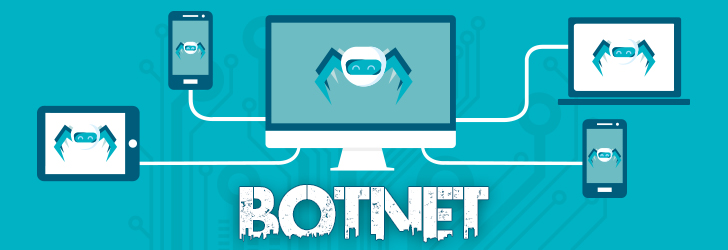
The most recent news of huge cyber-attacks using “Zombies” and “Bots” will not be alarming. This will not create this enthusiast think, even for a second, that the digital world has been taken by the living dead creatures or yet alien armies. But one thing will come to realize the "Botnets".
September 12, 2017
by IP Location
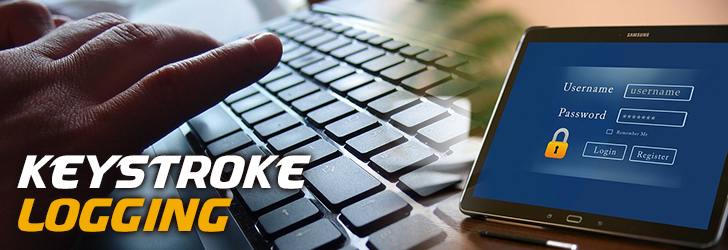
Keystroke logging, also called keylogging or keyboard capturing, is the action of recording and saving each keystroke on a keyboard over sometime, usually covertly. This is so that the person who enters the information onto to the keyboard remains unaware of having their information be monitored. The action is done through a logging program which is called a...
September 11, 2017
by IP Location
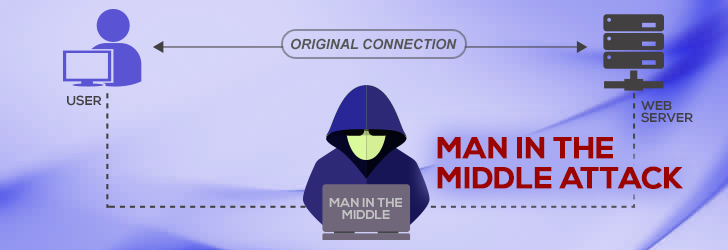
A man-in-the-middle (MITM) attack is a special type of attack in which an attacker covertly relays and potentially alters data between two parties on a network. These parties are usually oblivious to this attack and believe their connection and communication between each other is secured and their messages have integrity; however, that is not the case. The b...
May 19, 2017
by IP Location
· 1 comments

Multi-factor authentication also commonly known as MFA is an authentication process where more than one authentication mechanism is incorporated. A common implementation of MFA is the 2FA, which stands for 2-factor authentication. In a 2FA, two different authentication mechanisms are combined to successfully authenticate a user.