

Detecting Proxy and VPN Usage in Online Transactions
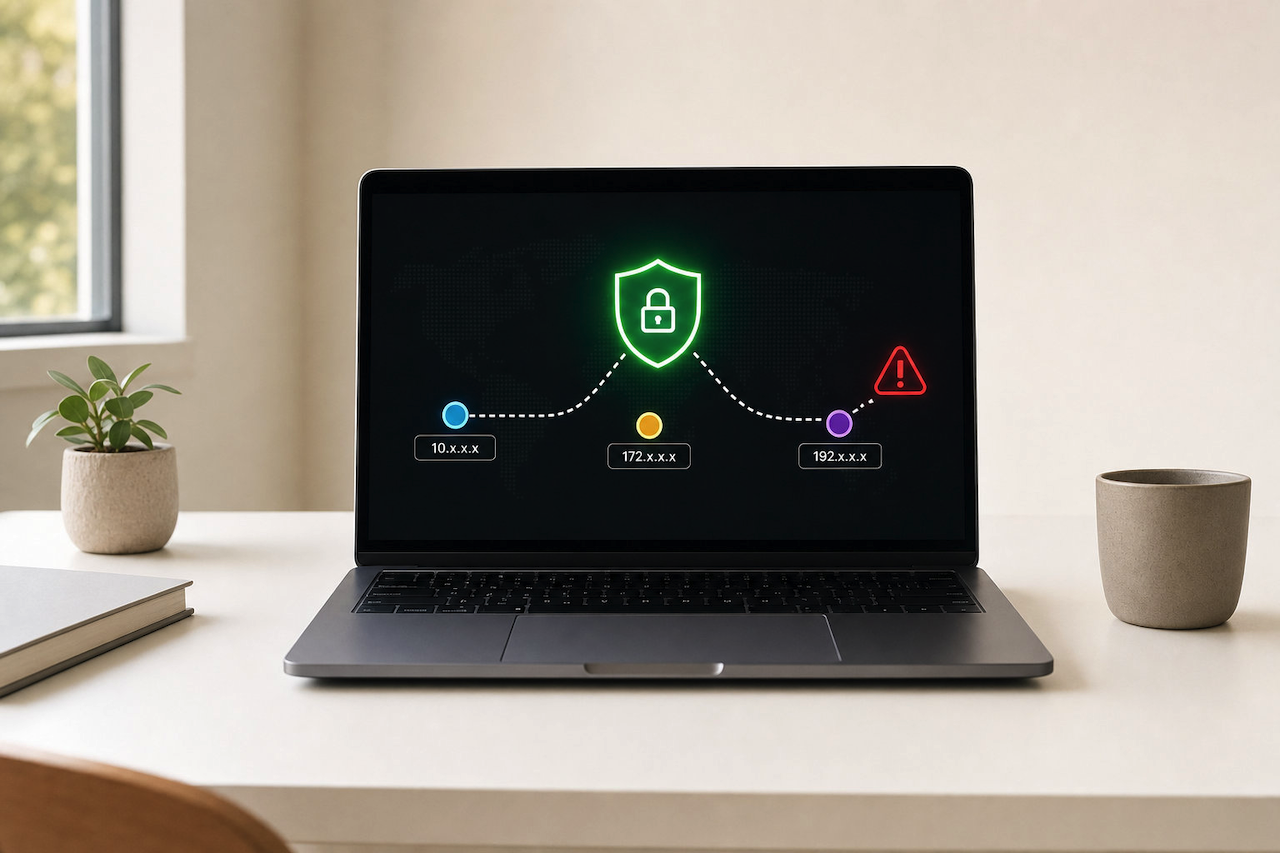
Online transactions are increasingly affected by proxy and VPN solutions that mask real IP addresses. Detecting these methods is critical for reducing fraud risk, while legitimate users may have reasonable privacy concerns. Digital platforms must prioritize security and accuracy when deciding how to address masked IP connections.
The growing reliance on anonymity tools such as proxies and VPNs has affected the security landscape around online transactions. Transaction systems frequently encounter masked connections, which increase the challenge of verifying users and assessing fraud risk. VPN services are commonly used by both privacy-conscious individuals and users attempting to bypass security measures. Understanding how to distinguish potentially harmful activity from legitimate privacy choices is essential for platforms that need to establish trust and perform identity checks during transactions.
Understanding the Impact of Proxies and VPNs
Proxies and VPNs are often used by threat actors in fraud schemes, making it more difficult to identify the true origin of suspicious activity. In many scenarios, masked or relayed IP addresses are present during payment attempts, prompting additional scrutiny in risk assessment processes.
However, many legitimate users rely on these privacy services for secure browsing or to reduce exposure of personal data. Consumer awareness of VPN services has also grown through review resources and comparison programs that explain how different privacy tools operate. This makes enforcement difficult, as a blanket approach that blocks all traffic from masked connections may exclude customers who need additional privacy or who access services in restrictive environments.
Recognizing Technical Signals at the IP Layer
Detection systems use technical signals tied to IP intelligence to help identify proxy and VPN usage in online transactions. Platforms typically analyze autonomous system numbers (ASNs), separate data center or hosting addresses from residential IP ranges, and reference established proxy infrastructure lists.
Networks such as residential proxies and certain mobile carrier NATs can closely resemble traffic from standard users, requiring more refined detection techniques. Because proxies and VPNs often rotate IP addresses, static block lists become less effective. Accurately identifying masked IP usage requires adaptable strategies and continual evaluation of network attributes specific to online transactions.
Evaluating Context and Behaviors to Reduce Errors
Behavioral analytics complement IP-level insights to improve precision when addressing proxy and VPN usage in online transactions. Approaches include tracking rapid account activity, monitoring irregular login behaviors, and checking for inconsistencies between IP-derived locations, browser language, device time zone, and payment credentials.
Instead of immediately denying access when proxy or VPN use is detected during an online transaction, some systems opt for risk scoring and additional verification in high-risk cases. This method reduces the likelihood of rejecting legitimate customers while maintaining security standards.
Maintaining Privacy, Compliance, and Ongoing Vigilance
Disciplined operational practices are essential for platforms confronting proxy and VPN usage in online transactions. Principles such as data minimization, well-defined information retention, and transparency help maintain compliance with evolving privacy norms and foster user confidence.
Ongoing updates to detection rules and analysis of proxy and VPN usage trends support the correct balance between effective fraud prevention and customer convenience. As anonymity technologies evolve, platforms must refine their systems to address emerging risks without disrupting legitimate business activity.
Conclusion
Proxy and VPN usage continues to shape the security challenges surrounding online transactions. While anonymity tools can support legitimate privacy and security needs, they can also complicate fraud detection and identity verification processes for digital platforms.
Balancing fraud prevention with user privacy requires a combination of IP intelligence, behavioral analysis, adaptable risk assessment methods, and ongoing monitoring of evolving network patterns. As online transaction systems continue to develop, organizations must refine their detection strategies to reduce abuse while minimizing unnecessary friction for legitimate users.
Related Articles

August 26, 2025
Strengthening Corporate Email Security with Proxy Solutions
In today’s digital business environment, email remains the primary communication channel for most organizations and one of the biggest targets for cyber threats. Many enterprises a...
Read More
October 26, 2024
Proxy vs VPN – What’s the Difference and When to Utilize Each?
The issue of digital privacy and security has become a significant worry for the 4.9 billion individuals worldwide who rely on the Internet for both professional and recreational p...
Read More
March 12, 2024
The Role of Cybersecurity in Safeguarding International E-commerce Transactions
In the realm of international e-commerce, cybersecurity is the unsung hero working around the clock to keep our businesses safe. Think of it as the essential infrastructure that ke...
Read More
Comments
Comments are available to signed-in users and are moderated to keep the discussion useful and respectful. Spam, automated submissions, and low-value promotional comments are removed. Outbound links may be approved when they are relevant and genuinely helpful to readers, but they are displayed as plain text rather than clickable hyperlinks.
No comments have been published yet.
Please sign in to submit a comment.