

Why Search And Rescue Teams Recommend Satellite Communicators For Remote Travel
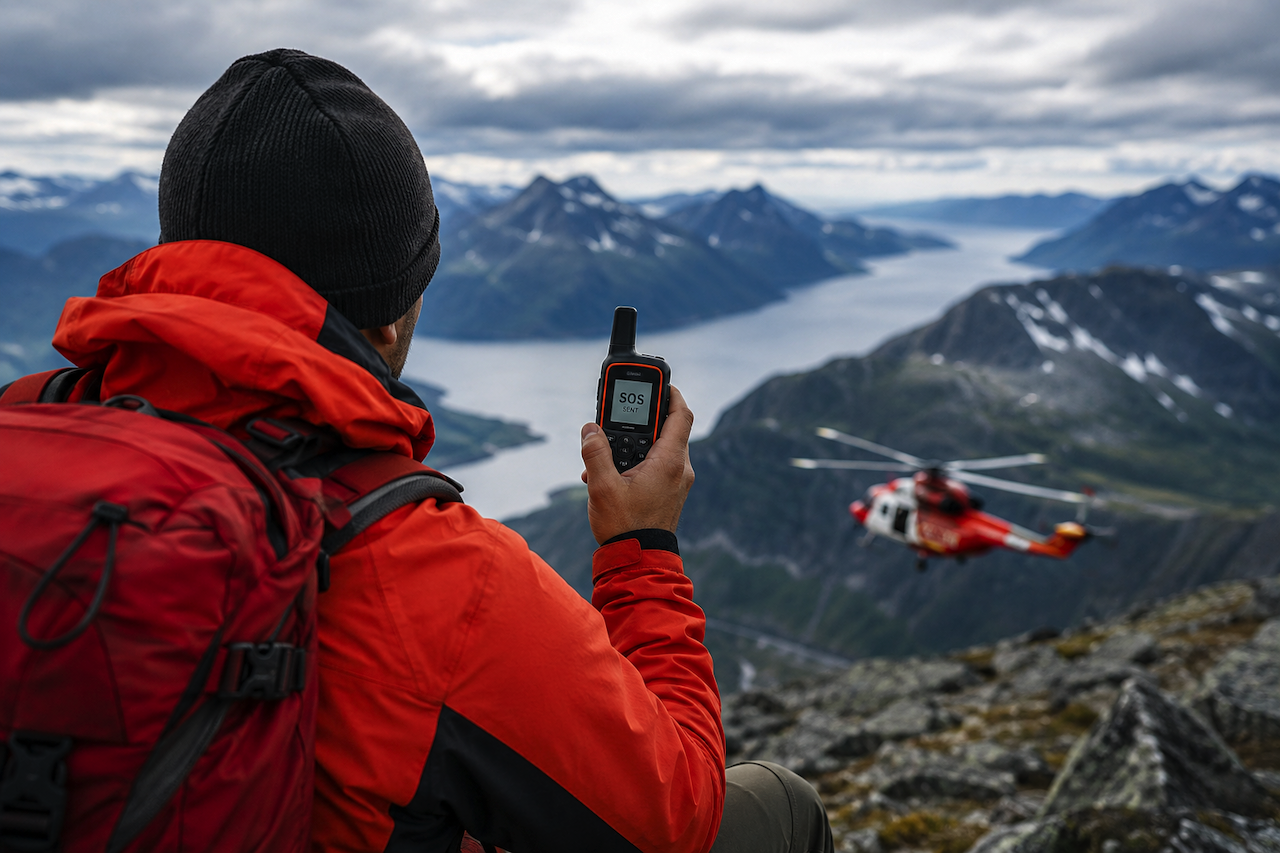
Search and rescue teams often work in places where normal phones do not work. Remote mountains, deserts, and the ocean are often far from cell towers. It is hard to ask for help or tell others where you are. Because of this, rescuers say it is important to bring devices that work without a cell signal. A satellite communicator is a very useful tool for this. These devices let you send messages plus emergency alerts using satellites in space. Experts recommend them more now because the technology is better and they see how well they work in real life.
Role In Emergency Response
Rescuers like any tool that tells them about a problem early. When you press an SOS button on a satellite device, a signal goes to a center that talks to a local emergency worker. This system starts the rescue even before anyone speaks on the phone. The fact that these signals work consistently is why professionals want individuals to carry them.
Sharing your location as you move is also helpful for modern rescues. Many devices send updates every few minutes to show your path. This is good if you are traveling across a large area or changing your route because of the weather. With this data, teams can focus on a smaller area and guess where you might be. This makes the mission faster as well as safer for everyone. A satellite communicator is the only way to stay connected to the people trying to help you.
Challenges In Remote Communication
The biggest problem in the wild is the lack of cell towers. Even if a place looks easy to get to, the signal can disappear because of the hills, the weather, or the distance. This is risky for hikers and climbers who think they can call for help. A satellite communicator fixes this by talking to satellites instead of ground networks, ensuring you can still talk to people in places where regular phones fail.
Another issue is how long it takes to find people during an emergency. If someone is hurt or lost, rescue teams might start with very little information, which slows their work. Without a specific location, the search area is huge, and it consumes many resources. A satellite messenger sends GPS coordinates, which are exact numbers that show your location on a map. This helps rescuers know exactly where to start, which is faster and easier than looking for someone by sight in difficult terrain.
Benefits For Travelers And Teams
For travelers, these devices help you feel more secure. Knowing you can ask for help from almost anywhere makes you feel less worried on long trips and helps you make better choices. You can explore quiet areas or still be able to talk to others. It is a good way to stay independent while staying safe, especially if you are alone.
Rescue teams also work more efficiently and stay safer when they have good information. If they have the right data from the start, they can plan the mission well and use the right tools. This stops them from searching in the wrong places and keeps them out of danger. As more people use the tools, emergency responses become more organized. Since more people are going outdoors, these devices will continue to be a big part of staying safe.
Conclusion
Search and rescue teams recommend satellite communicators because they improve communication and location tracking when there is no cell service. By letting you stay in touch plus send alerts, these devices fill a gap that can save lives. A satellite communicator is now a basic safety tool that helps both travelers and rescuers handle emergencies well.
Featured Image generated by ChatGPT.
Related Articles
March 18, 2025
Beyond the Darkness: How Thermal Scopes Help Protect Your Land from Predators
For landowners, especially those in rural areas, predators like coyotes and varmints can be a serious threat. These animals don’t just disrupt livestock or pets—they can cause long...
Read More
October 24, 2024
How to Monitor My Child's Text Messages on iPhone - 3 Best Ways
Children with cell phones is an issue that’s going to be the center of the discussion for this century. Most parents believe that early teens should not be allowed cell phones; how...
Read More
October 9, 2024
5 Tech Enhancements That Keep Us Safer Offline
Staying safe online is important, but equally important, is staying safe offline. Digital technologies have enhanced real-world safety measures and involve surveillance and monitor...
Read More
Comments
Comments are available to signed-in users and are moderated to keep the discussion useful and respectful. Spam, automated submissions, and low-value promotional comments are removed. Outbound links may be approved when they are relevant and genuinely helpful to readers, but they are displayed as plain text rather than clickable hyperlinks.
No comments have been published yet.
Please sign in to submit a comment.