

Internet of Things, Cloud Services, Manufacturing
The Role of Power Line Trucks in the Digital Transformation of Construction and Manufacturing
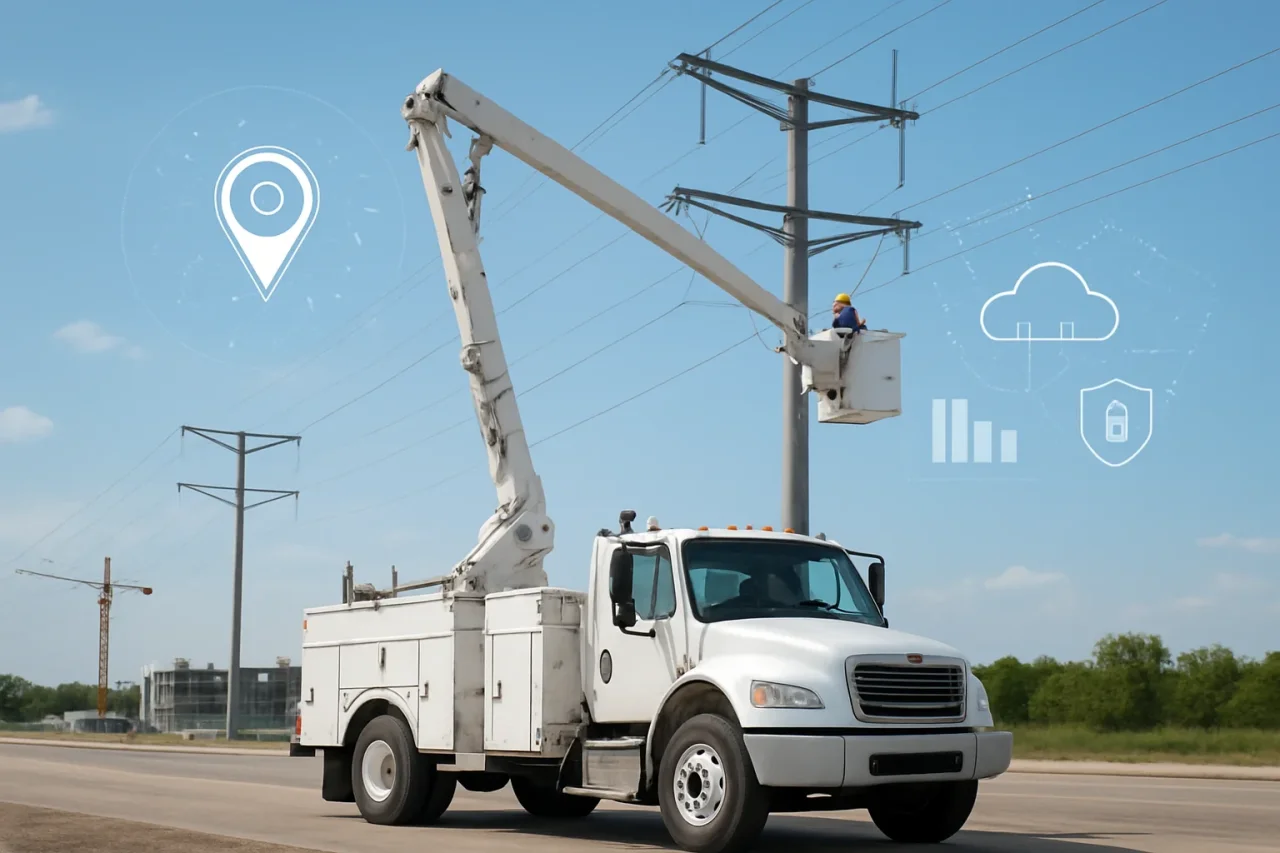
The construction and manufacturing sectors have some of the most dramatic transformations in digital transformation as they undergo the digital revolution. With the development of smart technologies, automation, artificial intelligence (AI), cloud computing, and the Internet of Things (IoT), companies are constantly seeking new ways to boost their efficiency, safety, and productivity. Modern equipment plays an equal role in the path of digital transformation as software solutions, although it may not be the thing that gets as much attention. One of these is the use of specialized utility equipment that has evolved from a work vehicle into a connected, data-driven asset, helping make infrastructure projects safer and more efficient.
Understanding Digital Transformation
Digital transformation is the use of digital technology in business to make decisions, make things run more smoothly, and become more efficient. This change in construction and manufacturing involves:
- IoT-enabled machinery
- Real-time fleet monitoring
- Predictive maintenance
- Cloud-based project management
- AI-powered analytics
- GPS tracking and telematics
- An electronic inspection and reporting system.
These technologies help companies minimize downtime, maximize equipment use, and make informed decisions using real-time information.
A brief history of utility equipment
Utility vehicles are commonly utilized for installation, maintenance, and repair tasks in the electrical field. Designed to carry tools and other equipment that allow technicians to work safely around energized power lines, these specialized vehicles also include insulated booms and lifting platforms.
The utility equipment of today is a long way more sophisticated than previous designs. There is a growing trend of incorporating electronic systems into vehicles to track their condition, driver performance, and equipment utilization. These advancements not only enhance safety but also help organizations optimize their fleets.
With the growing modernization of utility operations, connected equipment is increasingly a key component of digital infrastructure management.
Smart Technologies Enhancing Utility Vehicles
IoT Connectivity
Today's utility vehicles usually have IoT sensors that continuously collect data on their operations. These sensors monitor hydraulic pressure, engine performance, battery health, fuel consumption, and boom operation.
Fleet managers can get this information remotely, so they can foresee problems and prevent expensive equipment failures.
GPS Fleet Tracking
The use of GPS technology is revolutionizing fleet management in the construction and utility sectors. Each service vehicle is tracked live, and dispatchers can:
- Find the closest vehicle available
- Optimize travel routes
- Reduce fuel consumption
- Reduce time taken to respond during emergencies.
- Monitor vehicle utilization
This visibility helps reduce transportation expenses and boosts operational efficiency.
Predictive Maintenance
One of the most valuable benefits of digital transformation is predictive maintenance.
Smart sensors continuously analyze equipment performance, rather than just scheduled service intervals. Vibration, temperature, or hydraulic pressure levels outside the normal range give maintenance personnel advance warning of a possible failure.
Predictive maintenance can assist organizations in:
- Reduce unexpected downtime
- Extend equipment lifespan
- Lower repair costs
- Improve worker safety
In a fleet of vehicles, predictive maintenance can greatly enhance the reliability of the operating fleet for utility companies with multiple vehicles.
Improving Worker Safety
There is no doubt that safety is always the top priority when working in the vicinity of energized electrical services.
These are being complemented by a number of extra layers of protection for crews provided by digital technologies, such as:
- Load monitoring systems
- Boom angle sensors
- Stability monitoring
- Outrigger position verification
- Collision avoidance systems
- Operator alert notifications
Some contemporary vehicles also have digital checklists for inspections that make sure safety protocols are followed prior to the use of equipment.
Such functions minimize human error and aid in workplace safety compliance.
Supporting Construction Projects
Digital workflows are a major component of construction projects, integrating equipment, people, and project managers. The power line truck is an essential part of installing, maintaining, and repairing electrical infrastructure, and it is becoming more common and works seamlessly with GPS tracking, telematics, cloud-based fleet management, and real-time monitoring systems. It not only streamlines the work for contractors but also aids in better job site coordination and efficiency with the use of specialized equipment and digital technology.
These networked vehicles enable, among other activities:
- The setting-up of provisional electrical facilities
- Utility relocation
- Street lighting installation
- Telecommunications projects
- Renewable energy construction
- Smart city development
Using digital scheduling platforms, project managers can plan when equipment is required and when construction tasks need to be completed to avoid delays and boost productivity.
Digital manufacturing enhances equipment quality. Digital manufacturing improves the quality with equipment.
Digital transformation is also a benefit to manufacturers of utility vehicles
New advanced manufacturing technologies include:
- Robotics
- Automated welding
- Digital quality inspections
- Computer-aided design (CAD)
- Digital twins
- Smart production lines
The technologies result in improved precision, reliability, and safety features on vehicles.
Manufacturers can also track real-time production data, which will help them identify faults before equipment is delivered to customers.
Cloud-Based Fleet Management
Utility companies and contractors can manage entire fleets from a central location using cloud computing.
Managers have the ability to see at an instant:
- Vehicle location
- Maintenance schedules
- Fuel usage
- Driver performance
- Equipment availability
- Service history
Cloud-based systems also make compliance reporting easier as they automatically keep a record of maintenance logs and inspection documents.
For companies with expansive vehicle fleets, fleet management is a powerful way to increase the efficiency of your enterprise.
A.I. and Data Analytics
AI is playing a crucial role in the construction and manufacturing industries.
AI systems process vast amounts of data from connected equipment during operation. These systems can detect patterns that humans can't, such as:
- Inefficient driving patterns
- Equipment underutilization
- Fuel waste
- Maintenance risks
- Safety concerns
The impact of AI on fleet optimization is expected to grow as the technology continues to develop, making it more efficient and precise for businesses to optimize their operations for greater productivity and lower costs.
Sustainability and Environmental benefits
Digital transformation is also on track to help meet sustainability objectives.
Smart utility vehicles make their contribution by:
- Planning journeys to minimize emissions
- Monitoring fuel efficiency
- Providing assistance for the use of hybrid and electric vehicle technology.
- Minimizing waste of time
- Predictive maintenance extends equipment life.
These changes can lead to savings in operating costs and for the environment.
Planning for the Future
Connected equipment will be a key piece of the puzzle for the future of construction and manufacturing. The future of utility vehicles is continually evolving with technologies like autonomous driving support, AR maintenance assistance, telemetry, and AI-advanced computing.
Some innovations that could be developed in the future are:
- Semi-autonomous positioning systems
- Enhanced remote monitoring
- Real-time hazard detection
- Line inspections with drones.
- Digital maintenance assistants
- Advanced cybersecurity protection for connected systems
Companies that adopt these advancements can expect to enhance safety, boost productivity, and stay competitive.
Conclusion
Digital transformation is not just about office software or manufacturing sites. It is now being expanded to include specialized equipment used daily in construction, utilities, and infrastructure projects. The rise of connected technologies such as IoT sensors, AI, cloud computing, telematics, and predictive maintenance is helping organizations maximize their operational effectiveness while also improving employee safety.
Comments
Comments are available to signed-in users and are moderated to keep the discussion useful and respectful. Spam, automated submissions, and low-value promotional comments are removed. Outbound links may be approved when they are relevant and genuinely helpful to readers, but they are displayed as plain text rather than clickable hyperlinks.
No comments have been published yet.
Please sign in to submit a comment.