

The Rise of Rewards-Based Mobile Gaming
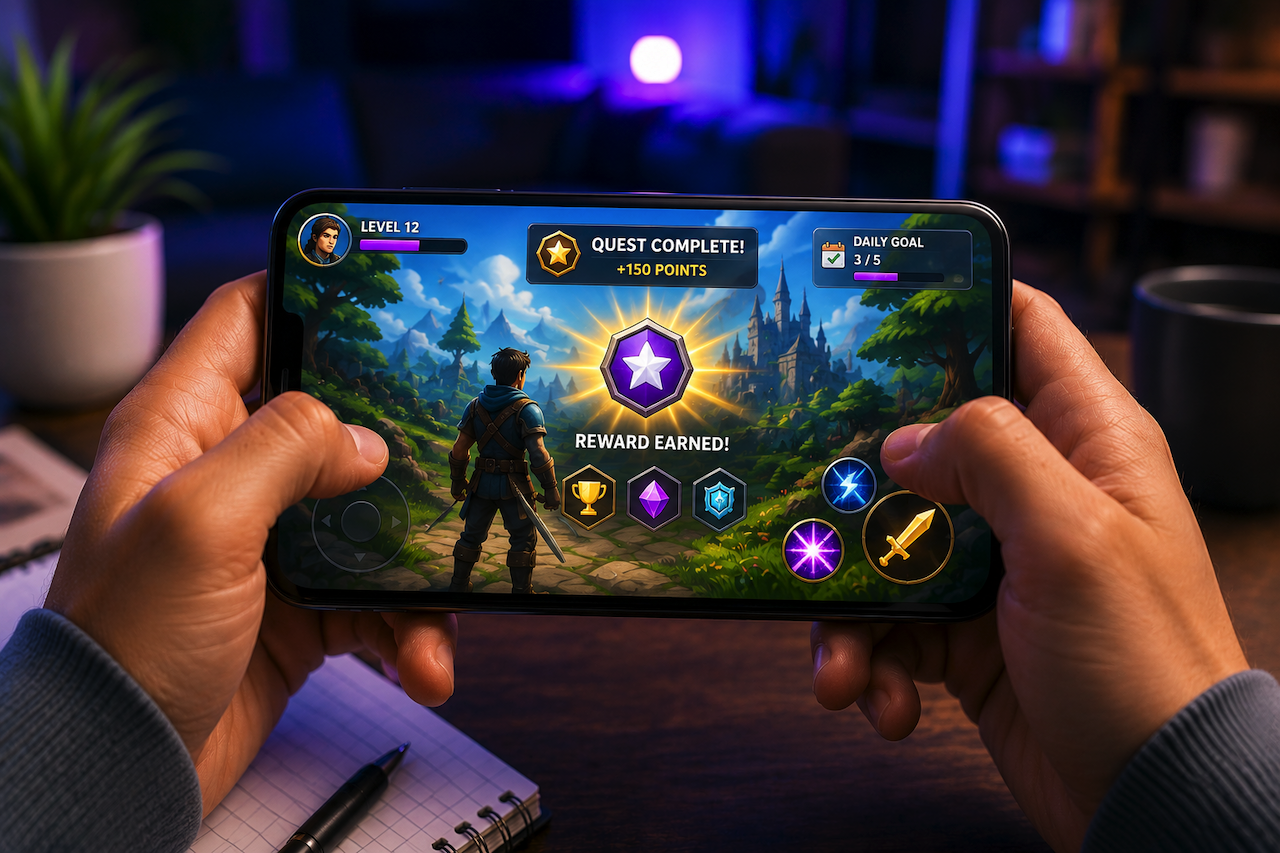
Most people don’t need a reason to play mobile games — they just do. It fills the gaps: waiting rooms, lunch breaks, or that strange half-hour before sleep when you’re not tired enough to actually rest. Mobile gaming has become one of the most common ways people spend downtime, and for a long time, the arrangement was simple: you play, the game keeps your attention, and that’s the end of it.
Recently, a growing category of gaming rewards apps has started experimenting with a different model. Some platforms, including Money Cash, allow users to earn small rewards while playing mobile games they might already download for free. Instead of treating gameplay purely as entertainment, these rewards-based gaming apps tie rewards to engagement and in-game progress.
What’s Actually Going On Here
The concept itself is fairly straightforward. Users browse available games through a rewards platform, download titles that interest them, and receive points or rewards for completing certain milestones, such as leveling up, reaching specific stages, or progressing through gameplay objectives. Depending on the platform, rewards may later be exchanged for gift cards or other forms of value.
The model exists because mobile game developers are willing to spend money acquiring active users who genuinely engage with their games. Rewards platforms act as intermediaries, sharing part of that acquisition spend with players who complete gameplay objectives.
Unlike gambling or betting apps, these systems are generally structured around gameplay activity rather than financial risk. However, the value users receive varies significantly depending on the platform, the games offered, and the amount of time invested.
The Games Themselves Matter
One factor that separates more established rewards platforms from lower-quality alternatives is the selection of available games. If users are constantly pushed toward repetitive or poorly designed titles simply to complete tasks, the experience tends to lose appeal quickly.
Many gaming rewards apps now feature a broader range of mobile genres, including strategy games, puzzles, RPGs, city builders, and card-based games. In some cases, users end up discovering games they continue playing even after reward milestones are completed.
The milestone structure also changes how some people approach casual gaming. Instead of endlessly grinding through levels without direction, players may focus on specific goals tied to achievements or progression checkpoints.
Keeping Expectations Realistic
It’s important to approach gaming rewards apps with realistic expectations. These platforms are not substitutes for full-time income, and most users will only earn modest rewards relative to the amount of time spent playing.
For many people, the appeal is less about making money and more about getting small bonuses from time they were already planning to spend on mobile games. A gift card, app credit, or small payout may feel worthwhile for casual players who already enjoy gaming during downtime.
The experience tends to work best when viewed as supplemental entertainment rather than as a serious income opportunity. Users expecting significant financial returns are often disappointed, regardless of the platform involved.
A Few Practical Considerations
Choosing games that genuinely hold your interest is important because reward milestones often require consistent progression and real playtime. Games selected purely for rewards may become frustrating if the gameplay itself feels repetitive or uninteresting.
It can also help to avoid spreading attention across too many titles at once. Focusing on a smaller number of games may make it easier to reach progression milestones more efficiently.
Many platforms also rotate featured games or limited-time reward offers, meaning available opportunities may change over time depending on partnerships, promotions, or new releases.
Most importantly, users should treat gaming rewards as a small bonus attached to entertainment they already enjoy, rather than as guaranteed earnings.
The Bigger Shift
The broader trend behind gaming rewards apps reflects a shift in how mobile engagement is monetized. For years, the relationship between platforms and users was mostly one-directional: players provided time and attention while apps monetized engagement through ads, subscriptions, or in-app purchases.
Rewards-based gaming platforms introduce a different dynamic by sharing a small portion of that value back with users through milestone systems and incentive programs.
This model is unlikely to dramatically change anyone’s financial situation. However, for some users, it may make casual gaming feel slightly more reciprocal than it did in the past, especially during time that would already have been spent playing mobile games anyway.
Disclaimer
This article is provided for informational and educational purposes only and does not constitute financial, investment, or gaming advice. Rewards, payouts, game availability, and platform features may vary depending on the app, user location, device compatibility, and individual usage. Readers should review the terms, privacy policies, and eligibility requirements of any third-party platform before participating. References to third-party apps or services are included for informational purposes only and do not constitute endorsement. iplocation.net is not liable for any losses, account issues, payment disputes, or experiences resulting from the use of third-party applications, websites, or services mentioned in this article.
Featured Image generated by ChatGPT.
Comments
Comments are available to signed-in users and are moderated to keep the discussion useful and respectful. Spam, automated submissions, and low-value promotional comments are removed. Outbound links may be approved when they are relevant and genuinely helpful to readers, but they are displayed as plain text rather than clickable hyperlinks.
No comments have been published yet.
Please sign in to submit a comment.