

Virtual Private Network, Privacy, Security
The Complete Guide to Virtual Private Networks for Expats
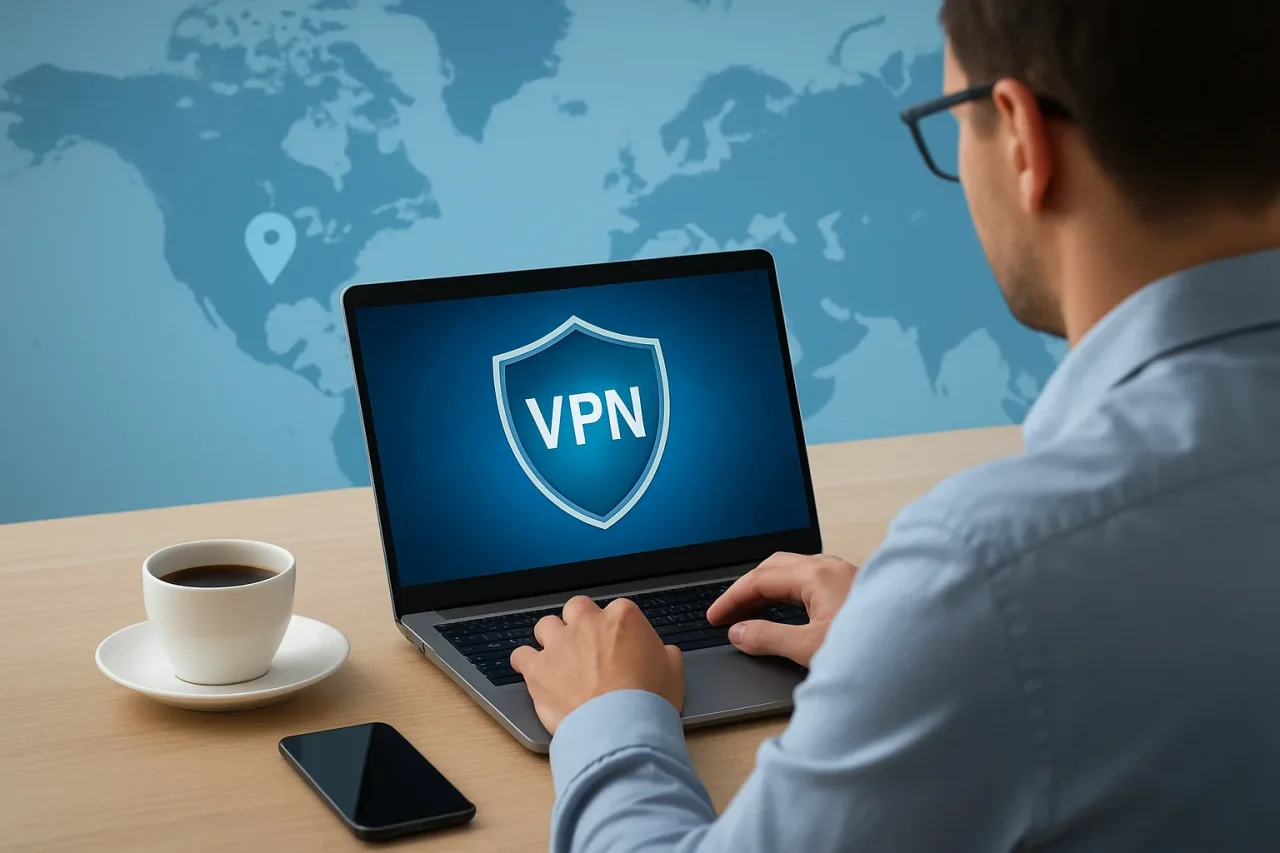
Why Online Privacy Matters More When Living Abroad
Moving to another country brings exciting opportunities, but it also changes how people interact with the internet. Whether relocating for work, education, or family, expats often depend on online services to stay connected with news, entertainment, banking, and communication platforms back home. Because these activities involve personal information, protecting internet privacy becomes increasingly important.
A Virtual Private Network (VPN) is one of several tools people use to enhance online privacy by encrypting internet traffic between a device and a VPN server. While VPNs are commonly associated with security, they also help protect data when using public Wi-Fi networks and provide an additional layer of privacy during everyday browsing. Understanding how VPN technology works allows expats to make informed decisions about protecting their digital lives.
Rather than viewing VPNs as complicated networking tools, it's helpful to think of them as an added layer of protection that helps secure internet connections across different devices and locations.
Understanding What a VPN Actually Does
A Virtual Private Network creates an encrypted connection between your device and a secure server.
This encrypted tunnel helps:
- Protect personal information
- Reduce exposure on public Wi-Fi
- Improve online privacy
- Secure internet traffic
- Shield sensitive data from unauthorized interception
Note: A VPN does not make someone anonymous online, nor does it eliminate every cybersecurity risk. Instead, it forms one part of a broader online security strategy.
Different VPN Protocols Explained
Not all VPN connections operate in the same way. Modern providers typically support multiple protocols, each designed for different priorities such as speed, stability, or security.
Common protocols include:
- OpenVPN
- WireGuard
- IKEv2/IPSec
- L2TP/IPSec (legacy)
- SSTP (Windows environments)
VPN Features Worth Comparing
Choosing a VPN involves more than comparing prices.
| Feature | Why It Matters |
|---|---|
| Encryption | Protects internet traffic |
| Kill Switch | Helps prevent accidental exposure |
| Multi-device support | Covers phones, laptops, and tablets |
| Server locations | Offers greater connection flexibility |
| No-log policy | Enhances user privacy |
Understanding these features helps users evaluate services based on their actual needs.
Why Public Wi-Fi Requires Extra Caution
Many expats regularly connect to hotel, airport, café, or coworking space Wi-Fi. Although convenient, public networks may present additional security risks.
Good practices include:
- Confirming official network names
- Avoiding sensitive transactions on unfamiliar networks
- Keeping software updated
- Using secure authentication methods
VPNs can provide an additional layer of encryption when using these shared internet connections.
Which Devices Can Use a VPN?
Modern VPN providers generally support multiple operating systems.
Common compatible devices include:
- Windows PCs
- macOS computers
- iPhones
- Android phones
- iPads
- Smart TVs
- Tablets
- Routers
Installing VPN software on multiple devices helps maintain consistent protection throughout daily internet use.
Common Reasons Expats Use VPNs
Every user's needs are different. Many people choose VPN services for reasons such as:
- Enhanced Privacy: Encryption helps protect internet traffic from unauthorized interception.
- Secure Remote Work: VPNs are widely used by businesses to secure employee connections.
- Public Network Protection: Shared Wi-Fi networks become safer when traffic is encrypted.
- Accessing Digital Services: Many expats use VPNs while accessing digital broadcasting options and other online platforms across multiple devices.
- Consistent Security Across Devices: Many VPN subscriptions allow multiple devices to remain protected under one account.
Choosing the Right VPN Server
Server selection can affect both connection quality and browsing performance.
Factors to consider include:
- Distance from your location
- Server congestion
- Available bandwidth
- Provider infrastructure
Generally, nearby servers offer lower latency, while less congested servers may provide more consistent performance.
Keep Your Devices Updated
Even the strongest VPN cannot compensate for outdated software.
Regular updates improve:
- Security
- Stability
- Compatibility
- Performance
Keeping operating systems and VPN applications current remains one of the simplest ways to improve overall cybersecurity.
VPNs Are Only One Part of Online Security
Many people mistakenly assume a VPN solves every cybersecurity problem.
Good digital security also includes:
- Strong passwords
- Two-factor authentication
- Regular software updates
- Trusted applications
- Secure browsing habits
Combining these practices creates a much stronger security posture than relying on a VPN alone.
Understanding Connection Speed
Encryption introduces a small amount of processing overhead.
Several factors influence VPN performance:
- Server Distance: Closer servers often provide lower latency.
- Internet Speed: A VPN cannot exceed your existing internet connection.
- Device Performance: Older hardware may process encryption more slowly.
- Server Load: Busy servers sometimes experience slower performance.
Choosing well-maintained VPN providers helps minimize these differences.
Growing Demand for Online Privacy
Privacy has become an increasingly important consideration worldwide.
Individuals now use connected devices for:
- Banking
- Shopping
- Communication
- Entertainment
- Remote work
- Education
As digital activity continues expanding, protecting personal information becomes increasingly valuable.
How VPN Technology Supports Modern Digital Lifestyles
As more people live, study, or work abroad, internet security has become a routine consideration rather than a niche topic. A VPN can help provide an additional layer of protection while users manage online banking, access cloud storage, participate in video meetings, or browse the web over unfamiliar networks.
Today's VPN providers also focus on improving usability by offering:
- Automatic server selection
- One-click connection
- Multi-platform compatibility
- Built-in security notifications
- Automatic updates
These improvements have made VPN technology far more accessible than it was only a few years ago.
Industry Statistics Show the Growing Importance of Online Privacy
The demand for secure internet access continues to increase as digital services become a bigger part of everyday life.
| Industry Insight | Current Trend |
|---|---|
| Remote work adoption | Continues expanding globally |
| Public Wi-Fi usage | Increasing across travel hubs |
| Connected devices per household | Growing year after year |
| Cybersecurity awareness | Higher than previous years |
These trends highlight why many individuals now include VPNs as part of their broader online security practices.
Real-World Industry Insights
Case Study 1: VPN Usage Continues to Rise Worldwide
According to Statista, VPN adoption has grown steadily over recent years as more consumers prioritize online privacy, remote work security, and safe internet access while traveling.
Case Study 2: Cybersecurity Remains a Major Concern
Cybersecurity organizations regularly advise individuals to keep software updated, use strong authentication methods, and protect internet connections—especially when using public Wi-Fi networks.
Case Study 3: Remote Work Has Increased Security Awareness
Research published by Microsoft's Work Trend Index shows that hybrid and remote work continue to influence how organizations and individuals approach digital security, including secure network access.
Case Study 4: Connected Devices Continue Expanding
The Ericsson Mobility Report notes that connected devices and mobile data consumption continue growing globally, reinforcing the importance of protecting personal information across multiple platforms.
Selecting Services That Work Across Multiple Devices
Many expats rely on more than one device throughout the day, moving between laptops, smartphones, tablets, and smart televisions. Because of this, compatibility has become an important consideration when choosing digital services.
Some platforms, such as Flixtele, are designed with broad device compatibility in mind, allowing users to access supported content across various operating systems while following each provider's terms of use and applicable licensing requirements. Regardless of the service used, maintaining secure internet habits remains just as important as choosing compatible software.
Building Good Digital Security Habits
Technology alone cannot guarantee online safety. Developing consistent habits is equally important.
A practical routine might include:
- Update operating systems regularly
- Install software only from trusted sources
- Enable two-factor authentication whenever available
- Use strong, unique passwords for different accounts
- Review privacy settings periodically
- Avoid connecting automatically to unknown public Wi-Fi networks
- Keep VPN applications updated to benefit from the latest security improvements
These habits require very little time but can significantly reduce common online risks.
Making Smarter Decisions About VPN Services
Choosing a VPN is not simply about finding the fastest connection or the largest number of servers. It's about selecting a service that aligns with your privacy expectations, device requirements, and daily online activities.
Expats should consider factors such as transparent privacy policies, reliable customer support, independent security audits where available, and long-term software maintenance. Looking beyond marketing claims often leads to better-informed decisions and a more dependable experience.
Staying Secure Wherever Life Takes You
Living abroad doesn't mean compromising online privacy. Whether you're checking email from a café, attending virtual meetings from another country, managing personal finances, or simply browsing the web, adopting sound cybersecurity practices can make a meaningful difference. A VPN serves as one valuable component of that strategy, working alongside updated software, strong passwords, and responsible browsing habits to help protect your digital life.
As technology continues evolving and internet connectivity becomes even more integrated into everyday routines, understanding how privacy tools work will remain an essential skill for expats around the world. In an increasingly connected world, isn't protecting your personal information one of the smartest investments you can make?
Conclusion
Living abroad often means relying on the internet for work, communication, banking, entertainment, and everyday tasks. While a VPN can provide an additional layer of privacy by encrypting internet traffic, it is most effective when combined with strong passwords, multi-factor authentication, regular software updates, and safe browsing habits. Understanding how VPNs work and comparing their features carefully can help expats choose a solution that supports both their privacy needs and day-to-day online activities.
Comments
Comments are available to signed-in users and are moderated to keep the discussion useful and respectful. Spam, automated submissions, and low-value promotional comments are removed. Outbound links may be approved when they are relevant and genuinely helpful to readers, but they are displayed as plain text rather than clickable hyperlinks.
No comments have been published yet.
Please sign in to submit a comment.