

How Much Does Root Canal Treatment Cost?
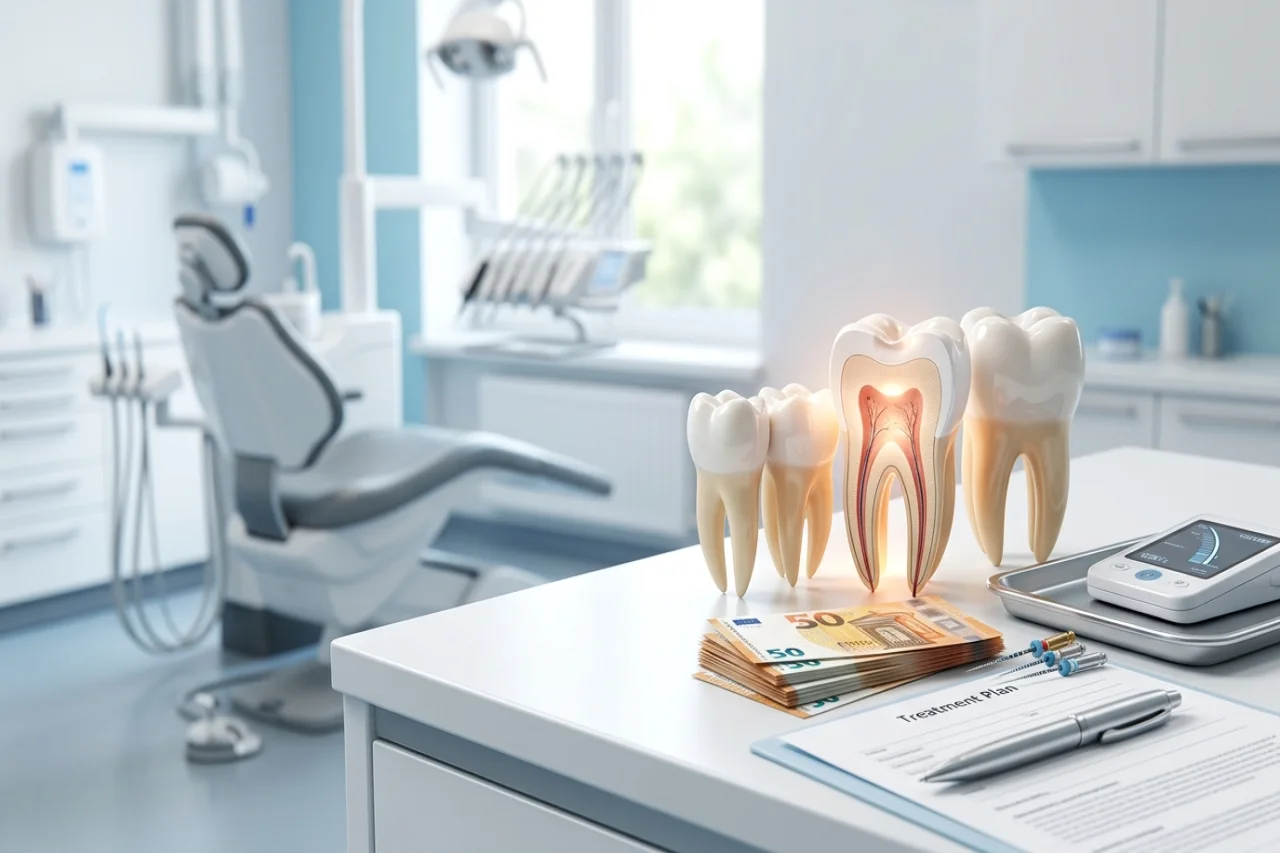
Cost is one of the first questions patients ask when a dentist recommends root canal treatment to save an infected or badly damaged tooth. The procedure removes infected pulp, relieves pain, and helps avoid extraction. The final root canal treatment cost depends on the tooth being treated, the procedure's complexity, the severity of the infection, and whether a restoration is needed afterward. Prices also vary between clinics, so patients should compare the complete treatment plan rather than a single quoted number. Below, we explain what affects pricing, what treatment includes, retreatment, and restoration.
What Does Root Canal Treatment Cost Depend On?
Several clinical factors affect the overall cost, from the tooth itself to the equipment used during treatment. Understanding these factors helps patients interpret quotes accurately.
Tooth Type and Location
Incisors, premolars, and molars differ in canal number and shape. Molars usually have more canals and require more time and technical skill, which can affect the cost per tooth for root canal treatment.
Complexity of the Procedure
Curved, narrow, calcified, or blocked canals increase difficulty. Existing restorations, prior dental work, or limited access can increase the root canal treatment price, sometimes necessitating advanced imaging or specialist care.
Severity of Infection and Tooth Condition
Extensive infection, abscesses, or bone changes affect treatment planning. Severely damaged teeth may require additional procedures before or after treatment, which can influence the overall treatment cost.
Need for a Dental Crown or Final Restoration
Cost per tooth often doesn’t include restoration. Posterior teeth especially need protection afterward. Treating the canal and restoring the tooth are separate cost components.
Diagnostic Imaging and Dental Technology
X-rays and CBCT when clinically indicated support accurate diagnosis. Magnification, apex locators, rotary instruments, and modern irrigation aid precision. Technology should reflect clinical need, not unnecessarily increase prices.
What Is Included in the Treatment Price?
Initial Dental Examination
This includes clinical assessment, medical and dental history, evaluating symptoms and restorability, and appropriate imaging to confirm diagnosis before treatment begins.
Treatment
Local anesthesia is administered, the infected pulp accessed, canals cleaned and shaped, then disinfected and sealed to prevent reinfection.
Follow-Up and Final Restoration
Follow-up ensures healing progresses well. Proper sealing is essential, and a filling, onlay, or crown may be recommended to protect the tooth long-term.
Root Canal Price vs Root Canal Therapy Cost: What Is the Difference?
Understanding the Total Treatment Cost
Root canal price may cover only the endodontic procedure, while root canal therapy cost can include diagnosis, treatment, follow-up, and restoration. Always request an itemized plan.
Questions to Ask Before Comparing Prices
- Is the consultation included?
- Are X-rays or CBCT scans included?
- Is temporary or permanent restoration included?
- Are follow-ups and retreatment, if needed, covered?
Why Can Retreatment Be More Expensive?
When Is Retreatment Necessary?
Persistent or recurrent infection, inadequate cleaning, missed canals, or leakage may require retreatment. A detailed assessment always precedes this decision.
Why Retreatment Can Cost More
Retreatment involves greater complexity, removing old filling material, locating missed canals, and sometimes advanced imaging or specialist endodontic care, raising retreatment cost.
When Might Apical Surgery Be Considered?
Endodontic surgery may be considered when conventional retreatment isn’t suitable or hasn’t succeeded. The decision depends on the tooth’s condition and treatment history.
What Are the Benefits of Root Canal Treatment?
- Preserving the Natural Tooth: Treatment removes infected pulp while keeping the natural tooth structure intact whenever it can be predictably restored.
- Relieving Dental Pain and Infection: Treatment addresses the infection source directly; antibiotics alone rarely resolve an infected tooth.
- Restoring Normal Function: Proper restoration allows normal chewing again while protecting a structurally weakened tooth from further damage.
How Can You Reduce the Risk of Needing Treatment?
- Maintain Effective Daily Oral Hygiene: Brush twice daily with fluoride toothpaste, clean between teeth regularly, and replace toothbrushes when worn.
- Attend Regular Dental Examinations: Routine exams catch decay before it reaches the pulp, and professional cleaning helps when clinically indicated.
- Treat Tooth Decay and Cracks Early: Untreated decay can progress toward the pulp. Cracked or damaged teeth need prompt assessment to avoid complications.
- Protect Teeth From Trauma: Use mouthguards for contact sports and avoid habits that place excessive stress on teeth.
When Should You See a Dentist About Possible Treatment?
Persistent toothache, pain when biting or chewing, prolonged sensitivity to hot or cold, swelling around the tooth or gum, recurring abscess, or tooth darkening after trauma all warrant assessment. Severe swelling, fever, difficulty swallowing, or difficulty breathing requires urgent professional attention immediately.
Final Thoughts: Is Root Canal Treatment Worth the Cost?
Root canal treatment preserves a natural tooth and can prevent extraction when the tooth is restorable. The final cost can only be determined after a clinical assessment. Dental providers, such as Vitrin Clinic, may assess factors such as the condition of the teeth, treatment complexity, and restoration needs when developing a treatment plan. Patients should always request a transparent, itemized breakdown of the proposed treatment and associated costs.
FAQ
Frequently Asked Questions
01How much does a root canal cost per tooth?
Cost per tooth varies by tooth type, canal complexity, infection severity, and whether restoration is needed. An accurate figure requires clinical assessment.
02Is treatment more expensive for molars?
Generally yes. Molars have more canals and a more complex anatomy, requiring more time and skill, which can increase treatment costs compared to front teeth.
03Does treatment cost include a crown?
Not always. Price often covers only the procedure itself; a crown or restoration is usually a separate cost, so always ask for an itemized plan.
04Is retreatment more expensive than the first treatment?
Yes, typically. Retreatment costs are often higher due to added complexity, the need to remove prior materials, and the need to locate missed canals.
Comments
Comments are available to signed-in users and are moderated to keep the discussion useful and respectful. Spam, automated submissions, and low-value promotional comments are removed. Outbound links may be approved when they are relevant and genuinely helpful to readers, but they are displayed as plain text rather than clickable hyperlinks.
No comments have been published yet.
Please sign in to submit a comment.