

Important Evidence Needed to Prove Negligence in Injury Cases
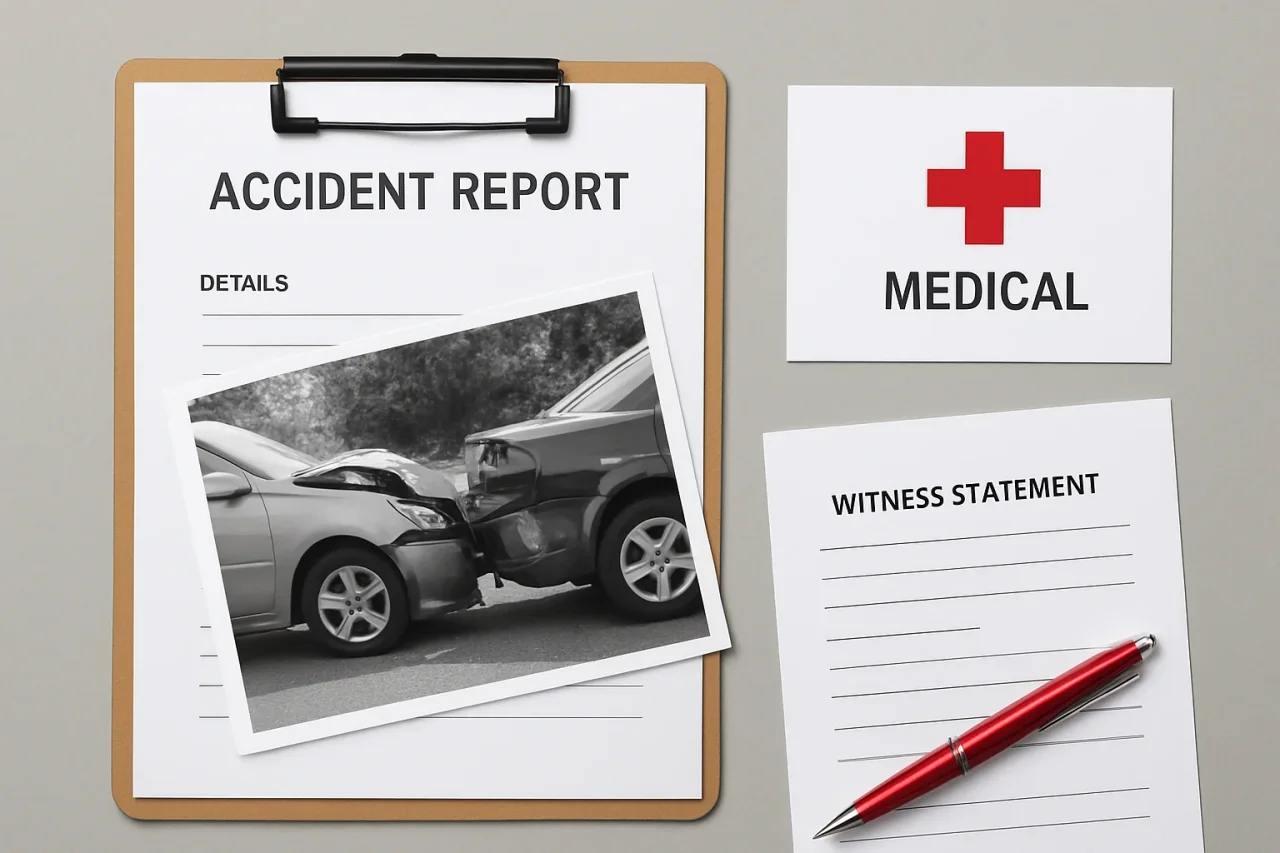
An injury claim depends on more than proof that an accident happened. Strong evidence must link the incident to another party's careless actions and clearly demonstrate the resulting harm. Well-organized documentation provides insurance companies and courts with a factual basis for evaluating a negligence claim.
Early case preparation can make a meaningful difference because important evidence may disappear over time. Records such as photographs, incident reports, witness statements, and medical documentation can help establish liability, causation, and damages. In some cases, a personal injury attorney may review this evidence as part of the claims process. Personal injury claims can arise from motor vehicle accidents, unsafe property conditions, defective products, third-party workplace incidents, medical negligence, and other circumstances involving alleged negligence.
Establish Proof of Duty and Breach
Negligence cases require proof that another party owed a duty of reasonable care and failed to meet that responsibility. The evidence should explain exactly how the careless conduct caused the accident. Clear facts create a stronger legal foundation than assumptions.
Accident Reports And Scene Documentation
Official reports provide an early record of what happened. Police reports, incident reports, and property records may include valuable observations about the location, parties involved, and surrounding conditions. Photographs and videos also preserve details that may change shortly after the accident.
Witness Statements
Independent witnesses can support important facts about how an accident occurred. Their observations may confirm unsafe behavior, hazardous conditions, or events that led directly to the injury. Prompt interviews usually produce more accurate recollections.
Connect The Injury To The Accident
Evidence must show that the accident directly caused the physical injuries. Medical records usually provide the strongest evidence of the connection between the incident and the resulting harm. Consistent treatment also creates a clear timeline.
Medical Records And Expert Opinions
Healthcare records document diagnoses, treatment plans, imaging results, and recovery progress. According to the CDC, injury-related emergency department visits totaled 43.5 million in 2022, underscoring how frequently medical documentation is involved in injury claims. Physician opinions may explain how the injuries relate to the accident and identify future medical needs. Medical evidence frequently plays an important role in negligence claims, supporting both liability and damages.
Financial Documentation
Accurate financial records help establish the losses created by the injury. Helpful documents include:
- Medical bills
- Lost wage records
- Rehabilitation expenses
- Property repair or replacement estimates
Preserve Evidence Throughout The Claim
Evidence should remain organized from the beginning of the case until resolution. Missing documents or incomplete records may create unnecessary questions during insurance reviews or litigation. Careful preservation protects the credibility of the claim.
Photographs, witness information, medical documentation, employment records, and other available materials can help establish negligence and document resulting damages. Insurance companies commonly examine these records when evaluating claims, making complete and organized documentation an important part of claim preparation.
Additional Supporting Evidence
Some claims benefit from evidence beyond standard records. Depending on the circumstances, additional proof may include:
- Surveillance footage
- Cell phone records
- Vehicle damage photographs
- Maintenance or inspection records
- Expert accident reconstruction reports
Preserve Critical Evidence From The Start
Important evidence should be identified and preserved as early as possible after an accident. Records, photographs, witness information, medical documentation, and other relevant materials may become more difficult to obtain over time. Keeping this information complete and organized helps establish the circumstances of the accident, connect injuries to the incident, and document resulting damages.
Conclusion
Proving negligence requires evidence that establishes duty, breach, causation, and damages. Accident reports, photographs, witness statements, medical records, financial documentation, and other supporting materials can each help establish the facts of a claim. Preserving and organizing this evidence from the beginning creates a clearer record of what happened and provides a stronger factual basis for evaluating the resulting injuries and losses.
Comments
Comments are available to signed-in users and are moderated to keep the discussion useful and respectful. Spam, automated submissions, and low-value promotional comments are removed. Outbound links may be approved when they are relevant and genuinely helpful to readers, but they are displayed as plain text rather than clickable hyperlinks.
No comments have been published yet.
Please sign in to submit a comment.