

Safety, Technology, Electronics
How Do Portable Power Station Brands Compare?
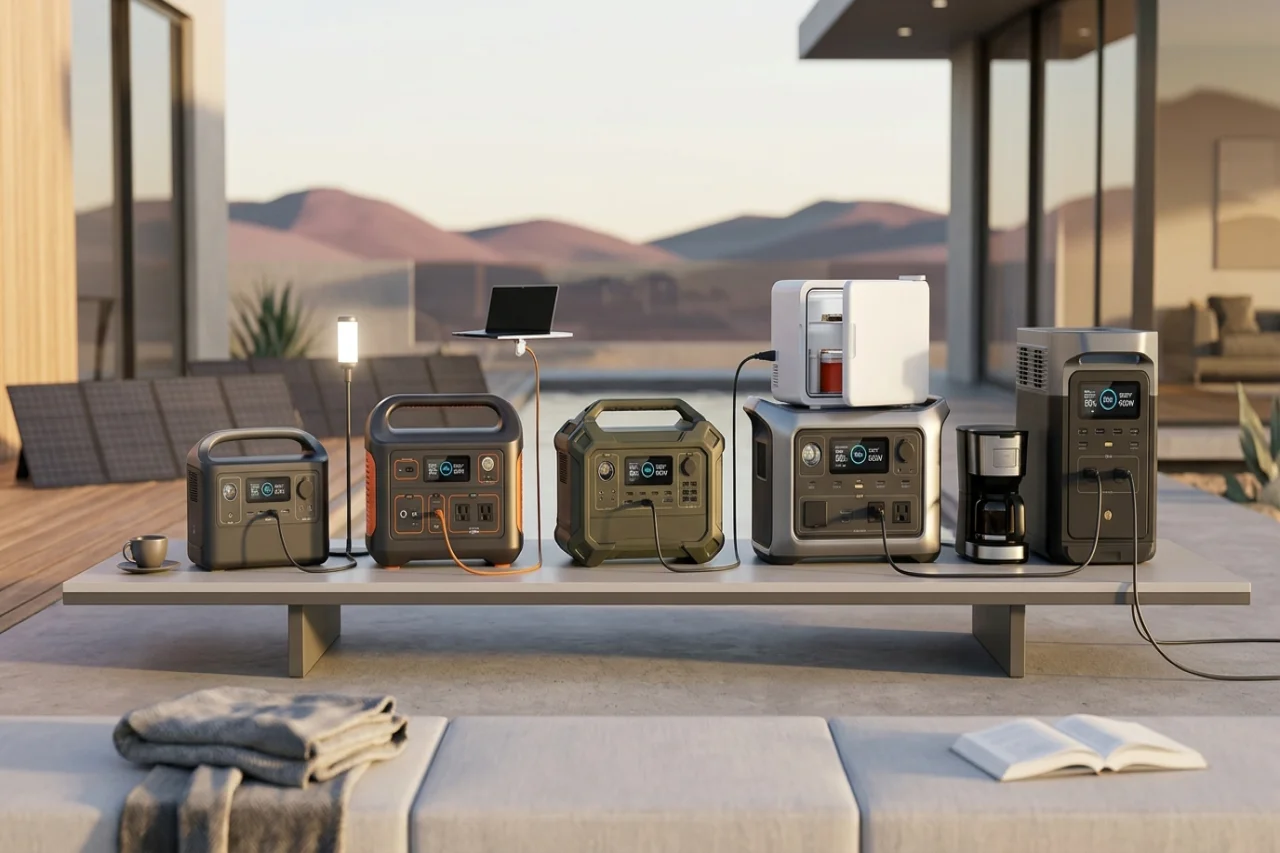
Shopping for a portable power station in 2026 can feel overwhelming. EcoFlow, Jackery, BLUETTI, Anker SOLIX, and OUPES offer a wide range of options, and every spec sheet promises more watts and faster charging. So how do these brands compare? Many offer similar features, including LiFePO4 batteries, expandable capacity, and extended warranties, but differences in pricing, performance, and design can influence which option is most suitable. This guide compares brands, explains key specifications, and walks you through choosing the right unit step by step.
The Market Has Leveled Up, So Look Past the Basics
First, it helps to understand what is now standard. All major brands now use LiFePO4 chemistry in many of their product lines, making this chemistry advantage common across the market. In other words, battery chemistry alone no longer separates a premium brand from a value brand.
Instead, the real differences come down to four factors: price per watt-hour, warranty and customer service, charging speed, and expandability. Each portable power station should be evaluated based on these factors and its intended use.
Comparing Portable Power Station Models
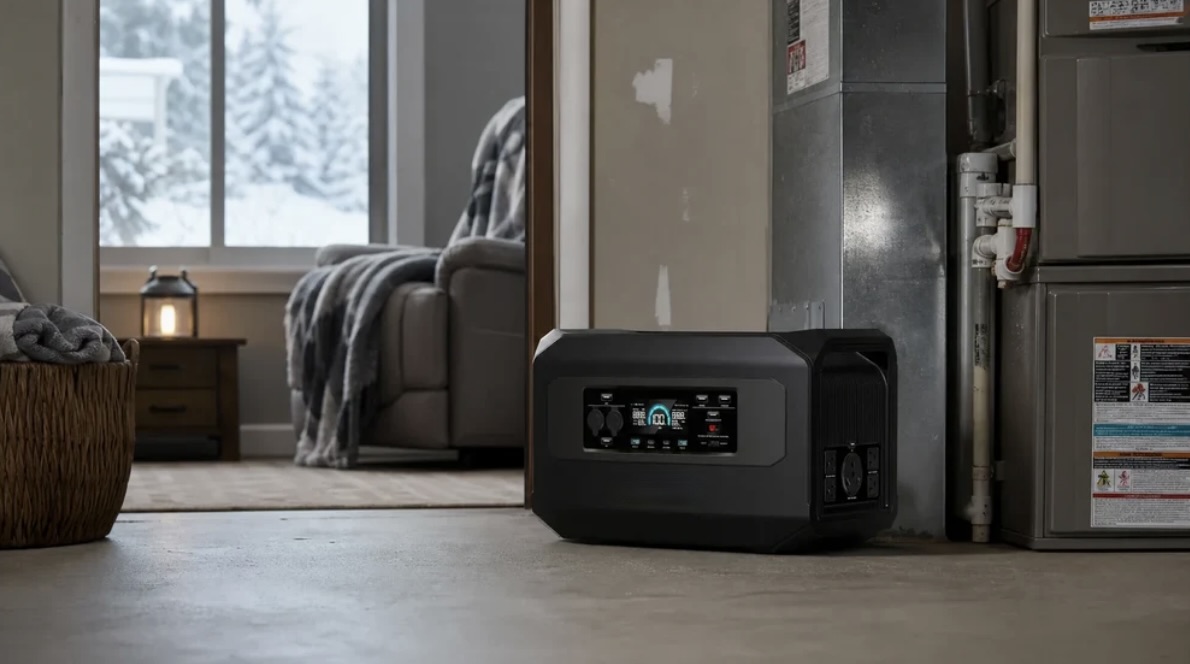
Portable power stations are available in different capacities and output levels, making some models better suited for camping and remote work while others are designed for home backup and larger appliances.
The following table provides a general overview of common capacity categories and their potential applications:
| Capacity Range | Typical AC Output | Potential Uses |
|---|---|---|
| Under 1,000Wh | 300W–1,000W | Charging devices, camping, light outdoor use |
| 1,000–2,000Wh | 1,000W–2,500W | Camping, CPAP, remote work, small appliances |
| 2,000–3,000Wh | 2,000W–3,600W | Home backup, RVs, general use |
| 3,000–5,000Wh | 3,000W–5,000W | Extended outages, larger appliances |
| Over 5,000Wh | Varies by model | Extended home backup, high-demand applications |
Manufacturers such as EcoFlow, Jackery, BLUETTI, Anker SOLIX, and OUPES offer models across different capacity categories. For example, smaller units may be suitable for charging electronics and operating low-power devices, while larger systems can support household appliances and extended backup applications.
When comparing portable power stations, consider both battery capacity and AC output. A higher battery capacity generally provides longer runtime, while a higher output rating allows the unit to operate more demanding appliances. Charging speed, portability, and expandability should also factor into the decision.
Key Factors When Comparing Portable Power Station Brands
1. Value for Money
Value is an important consideration when comparing portable power stations. Buyers should evaluate battery capacity, AC output, charging capabilities, and expandability alongside the purchase price. For example, the OUPES Mega 2 offers 2,048Wh of capacity, 2,500W AC output, and expandable battery storage. Other manufacturers, including EcoFlow, Jackery, and BLUETTI, offer models with comparable features. Comparing the cost per watt-hour and overall specifications can help determine which option provides the best value for specific needs.
When evaluating value, buyers should compare the price per watt-hour alongside output capacity, charging capabilities, warranty coverage, and included accessories. A lower purchase price does not necessarily mean better overall value if another model offers features that are more relevant to the intended application.
2. Warranty and Customer Service
Next, consider what happens after checkout. Across this class, manufacturers commonly offer warranties ranging from two to five years, depending on the model, with extended coverage available for certain products.
For example, OUPES advertises a five-year warranty on its power stations, with an additional year available through its membership program. Other manufacturers, including EcoFlow, Jackery, BLUETTI, and Anker SOLIX, also provide warranty coverage, although terms, registration requirements, and coverage periods vary by product.
Buyers should review warranty conditions carefully, including whether registration is required, whether coverage is transferable, and how repairs or replacements are handled. Return policies and customer support availability are also worth comparing, particularly for larger power stations that may require technical assistance or replacement components.
3. Fast Charging and Expandability
Charging performance and expandability can make a significant difference in everyday use. Many portable power stations support fast AC charging, solar input, and expandable battery storage. For example, the OUPES Mega 2 claims a full charge in 0.6 hours under specified maximum input conditions, while selected EcoFlow and BLUETTI models also offer rapid charging capabilities.
Expandability is another important consideration, particularly for users who need additional backup power. Manufacturers such as EcoFlow, BLUETTI, OUPES, and Anker SOLIX offer models that support external battery expansion, allowing users to increase storage capacity without replacing the main unit.
When comparing these features, consider how quickly the unit can recharge using AC power, solar panels, or a vehicle connection. Expandable batteries may also be useful for users who expect their power requirements to increase over time.
Where Different Portable Power Station Brands May Appeal
Different brands offer advantages depending on the intended application. For example, EcoFlow provides a broad range of models with fast charging and connected features, while Jackery offers portable options designed for camping and outdoor activities.
BLUETTI offers modular battery systems that may appeal to users planning larger backup power configurations. Anker SOLIX also provides portable energy storage products with expandable capacity and monitoring features on selected models.
OUPES offers models with varying battery capacities, AC output ratings, and expansion options. Its products may be worth comparing with similarly specified units from other manufacturers when evaluating price, performance, and warranty coverage.
Ultimately, the most suitable portable power station depends on the required capacity, output, portability, charging options, and budget rather than the brand name alone.
Step-by-Step: How to Choose the Right Portable Power Station
- List Your Devices: Write down every appliance you want to run, along with its running and starting wattage.
- Calculate Daily Energy Use: Multiply each device's watts by hours of use, then add everything up. This gives you an estimate of the watt-hours (Wh) you need. Remember to account for energy losses during power conversion.
- Match the Output: Choose a model whose continuous AC output can support the combined load of the devices you plan to run simultaneously. Higher-output portable power stations may be suitable for appliances such as microwaves, provided their running and startup wattage requirements are within the unit's specifications.
- Plan Your Charging: If you will rely on solar, check the MPPT input and supported panel specifications. Actual solar charging performance may be lower than the theoretical maximum due to weather conditions, panel positioning, and conversion losses. Compare AC, solar, and vehicle charging options based on your intended use.
- Think About the Future: If outages in your area last days, consider an expandable model that allows additional batteries to be connected later. Compare expansion limits, compatible battery modules, and the cost of increasing storage capacity.
- Review Warranty Requirements: Finally, check whether the manufacturer requires product registration to access extended warranty coverage. Some brands offer additional protection through membership programs or registration, so reviewing the terms before purchasing is important.
Final Verdict
Portable power stations from EcoFlow, Jackery, BLUETTI, Anker SOLIX, and OUPES offer a variety of options for emergency preparedness, camping, RV travel, and home backup power. While many models share features such as LiFePO4 batteries, fast charging, and expandable capacity, they differ in output ratings, portability, pricing, warranty coverage, and energy management capabilities.
Rather than choosing a portable power station based on brand reputation alone, compare individual models according to your expected energy consumption, appliance requirements, charging options, and budget. Understanding these factors can help you select a power station that meets your needs without paying for unnecessary capacity or features.
FAQ
Frequently Asked Questions
011. Are Portable Power Stations Reliable?
Many modern portable power stations use LiFePO4 batteries rated for thousands of charge cycles and include manufacturer warranty coverage. However, reliability should also be evaluated through independent testing, customer experiences, long-term performance, and support availability. Battery quality, build quality, and proper maintenance can also affect reliability.
022. How Do Portable Power Station Brands Compare?
Brands such as EcoFlow, Jackery, BLUETTI, Anker SOLIX, and OUPES offer portable power stations with different battery capacities, charging speeds, output ratings, and expansion options. Some models emphasize portability and outdoor use, while others focus on home backup and larger energy storage systems. The most suitable choice depends on the specifications, pricing, and features of the individual units being compared.
033. What Should I Consider When Comparing Portable Power Stations?
Buyers should compare battery capacity, continuous and surge output, charging performance, portability, expandability, warranty coverage, and price. The intended application is also important. A compact power station may be sufficient for camping and charging electronics, while larger systems may be necessary to run household appliances or provide extended backup power.
044. Which Portable Power Station Should I Buy?
For camping and light backup, a compact model with approximately 1,000Wh of capacity may be sufficient. For households and RV owners, a unit in the 2,000 Wh range may offer additional flexibility. If you need to power 240V appliances or support larger household loads, consider higher-capacity systems with compatible output configurations. Compare models based on your expected energy consumption, appliance requirements, and budget.
055. Can a Portable Power Station Run My Refrigerator?
Yes, many portable power stations can run refrigerators, provided their continuous and surge output ratings meet the appliance's requirements. A typical refrigerator draws a few hundred watts while running, with a brief startup surge. For example, a model with 2,500W continuous output and 5,400W surge capacity may support many household refrigerators. Runtime depends on the refrigerator's efficiency, the battery capacity, and energy conversion losses, so calculate its daily Wh usage first.
066. How Long Do Portable Power Station Batteries Last?
Many modern portable power stations use LiFePO4 batteries rated for thousands of charge cycles. Some models are rated for 3,000 to 3,500 or more cycles before reaching approximately 80% of their original capacity. Actual battery lifespan depends on charging habits, operating temperatures, storage conditions, and usage patterns.
077. Can I Charge a Portable Power Station With Solar Panels?
Yes. Many modern portable power stations include built-in MPPT solar charge controllers. For best results, match your panels' voltage and current to the unit's input specifications, and expect real-world input to be somewhat below the theoretical maximum due to weather, panel angle, and conversion losses.
088. What if I'm Not Satisfied With My Purchase?
Return policies vary by manufacturer and retailer. Some brands offer return periods for purchases made through their official stores, although eligibility requirements and conditions may differ. Before purchasing, review the applicable return window, shipping costs, warranty coverage, and claim procedures. Customer support availability may also be an important consideration.
Comments
Comments are available to signed-in users and are moderated to keep the discussion useful and respectful. Spam, automated submissions, and low-value promotional comments are removed. Outbound links may be approved when they are relevant and genuinely helpful to readers, but they are displayed as plain text rather than clickable hyperlinks.
No comments have been published yet.
Please sign in to submit a comment.