

Technology, Web Design, Web Development
How AI and Smart Technology Are Reshaping Website Design for Modern Businesses
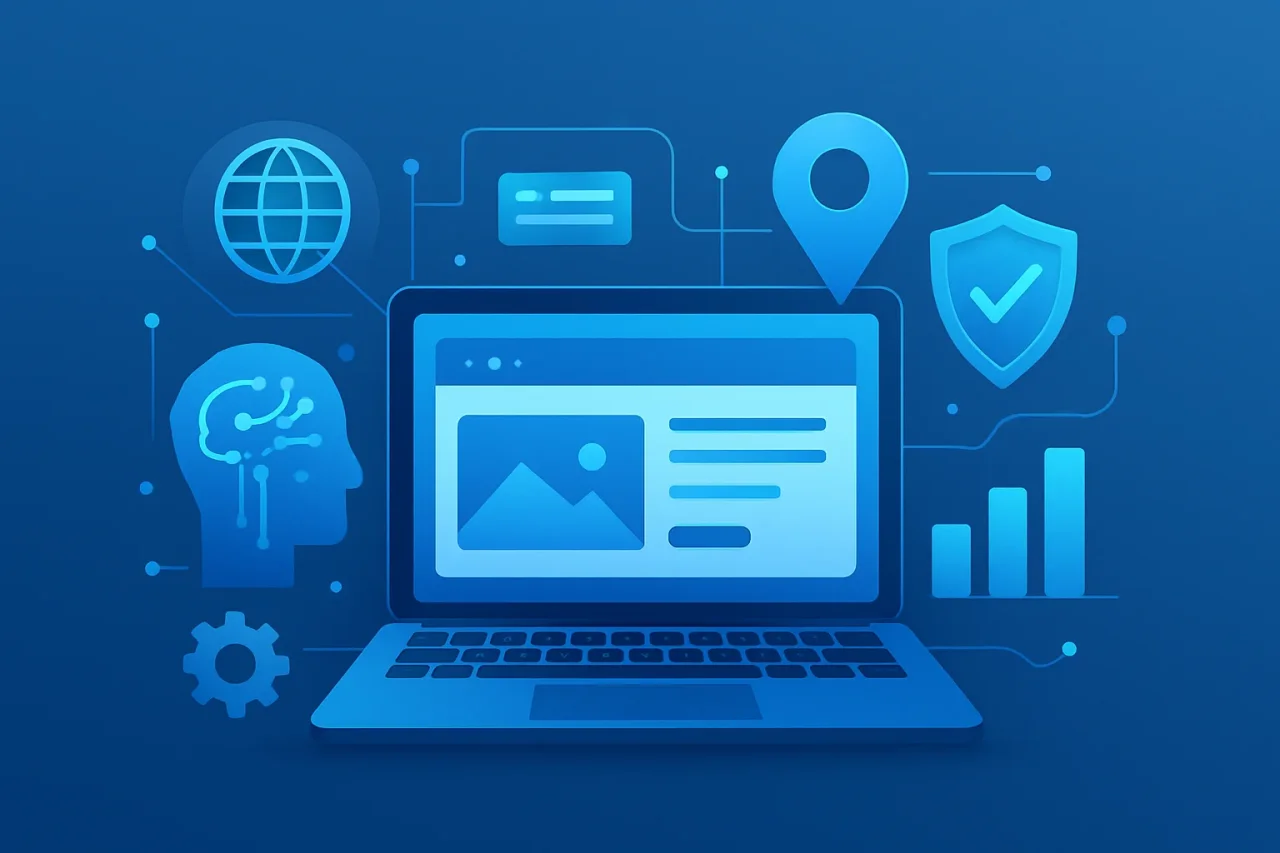
A few years ago, building a website meant picking a template, filling in some text, and hoping it looked decent on mobile. That's not how it works anymore. AI has quietly worked its way into almost every part of the design process, and businesses that ignore it are falling behind faster than they realize.
But here's the thing people forget: technology doesn't replace the basics. Before any of this AI magic happens, a business still needs a clear identity. That's usually where things start; most brands begin by working with a logo design company to figure out who they are visually before a single line of website code gets written. AI can speed things up later, but it can't invent a brand from nothing.
Why AI Is Suddenly Everywhere in Web Design
Website design used to be slow. Designers sketched wireframes, clients gave feedback, and revisions dragged on for weeks. AI tools have cut a lot of that time down. Now you can generate layout options, test color combinations, and even preview how a page performs across devices in minutes instead of days.
This isn't just a convenience thing either. Businesses are under pressure to launch faster, update content more often, and personalize experiences for different visitors. AI makes all of that realistic for companies without huge design teams.
Smarter Layouts, Less Guesswork
One of the biggest shifts is in layout testing. Instead of designers guessing which homepage version will convert better, AI tools can run rapid A/B tests and show real user behavior almost instantly. Heatmaps, scroll tracking, and click patterns used to take weeks to analyze manually. Now, software does it in the background while the site is live.
This matters because small layout changes, such as where a button sits and how much white space surrounds a headline, can quietly make or break conversions. Groups like the Nielsen Norman Group have spent years studying usability patterns, and a lot of what AI tools now automate is built on exactly that kind of research.
Personalization Is No Longer Just for Big Brands
Personalized websites used to be something only large companies could afford. Think of how Amazon shows you different products than it shows someone else. That kind of tech required serious budgets and engineering teams.
AI has changed that math. Small and mid-sized businesses can now use tools that automatically adjust content based on visitor location, browsing history, or device type without hiring a dedicated development team. A visitor from a colder region might see different product recommendations than someone browsing from a warmer region. It sounds simple, but it makes a real difference in how connected a customer feels to a brand.
Chatbots and Real-Time Support
AI-powered chat isn't new, but it's gotten a lot better. Modern chatbots can understand context, remember previous questions in a conversation, and hand off to a real person only when needed. For businesses, this means fewer abandoned carts and faster answers to simple questions, which keeps visitors on the page instead of bouncing off to search for answers elsewhere.
Design Still Needs a Human Touch
Here's where a lot of businesses get it wrong. They assume AI can just "build a website" on its own, and the brand identity will figure itself out. It doesn't work that way.
AI is great at speeding up execution, but it still needs direction. That's why the design process usually works best when it starts with strategy, figuring out tone, colors, messaging, and audience before any automation gets involved. This is really the job of a solid branding agency, where the visual identity and voice of a business get defined clearly enough that AI tools have something real to work from instead of generic templates.
Without that groundwork, AI-generated designs tend to look interchangeable. You've probably seen websites that all feel the same: the same fonts, the same layout style, the same stock photography. That's usually a sign that a business skipped the identity step and let automation fill in the gaps.
Where AI Actually Helps Most
- Speed: Faster mockups, quicker revisions, and less back-and-forth.
- Testing: Real-time data on what's working and what isn't.
- Maintenance: Automatically flagging broken links, slow-loading pages, or outdated content.
- Accessibility: Checking color contrast, text size, and screen reader compatibility automatically.
None of these replace good design judgment. They just remove a lot of the repetitive work that used to eat up a designer's time.
What This Means for Businesses Going Forward
Businesses that treat AI as a shortcut around branding usually end up with forgettable websites. The ones that treat it as a tool, something that speeds up execution after the identity and strategy are already solid, tend to end up with sites that actually convert and feel distinct.
The pattern is pretty consistent: identity first, structure and strategy second, AI-assisted execution last. Skipping steps doesn't save time in the long run; it just creates rework later. Research from organizations such as the Interaction Design Foundation supports this: good design has always been rooted in understanding people first, with tools acting as an accelerant rather than a replacement.
Final Thoughts
AI isn't going to slow down, and neither is the pace at which customers expect websites to load fast, look sharp, and feel personal. But the businesses that get the most out of these tools aren't the ones chasing every new feature. They're the ones who got the fundamentals right first: clear identity, solid structure, and a website built with intention, and then let smart technology handle the heavy lifting from there.
Comments
Comments are available to signed-in users and are moderated to keep the discussion useful and respectful. Spam, automated submissions, and low-value promotional comments are removed. Outbound links may be approved when they are relevant and genuinely helpful to readers, but they are displayed as plain text rather than clickable hyperlinks.
No comments have been published yet.
Please sign in to submit a comment.